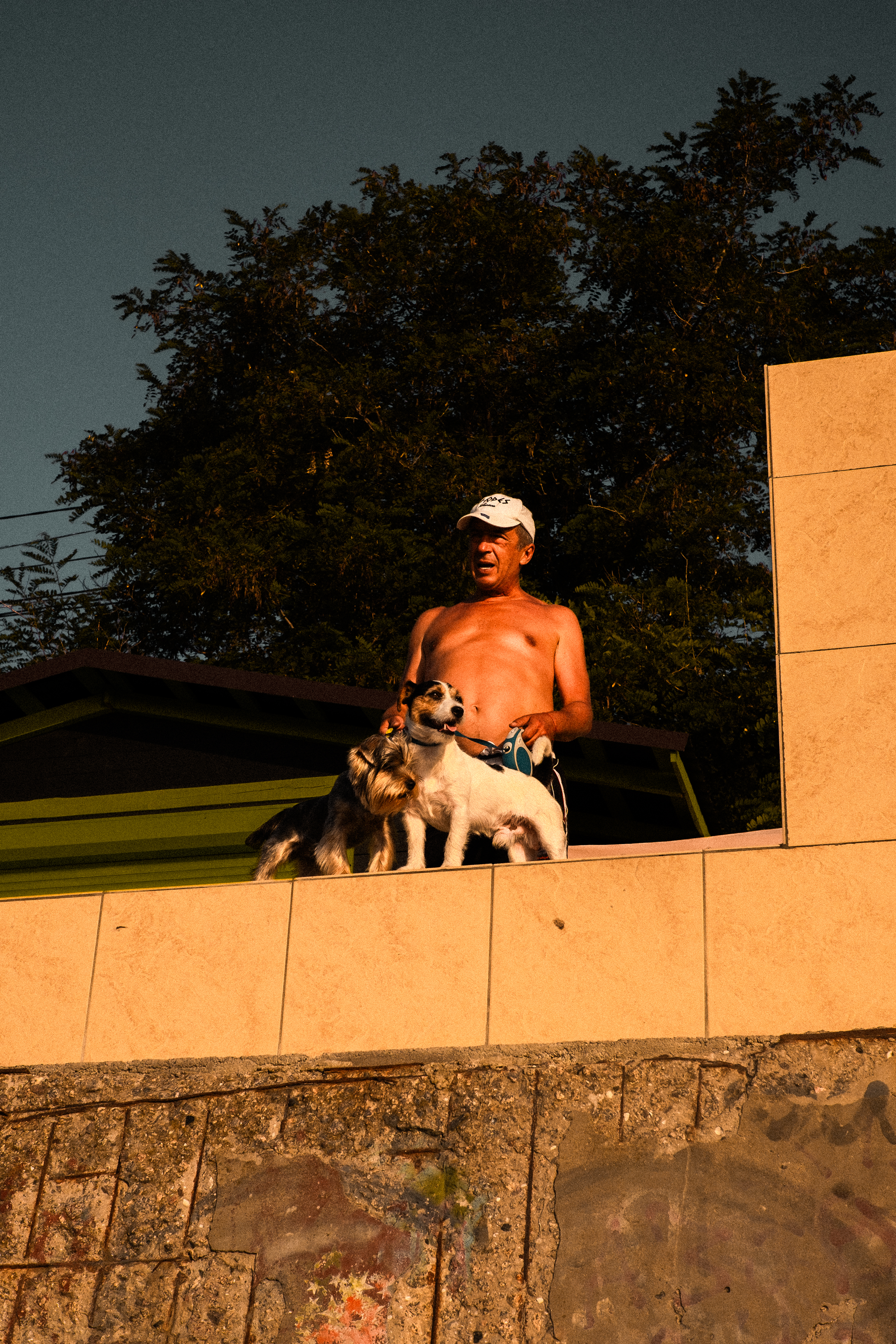
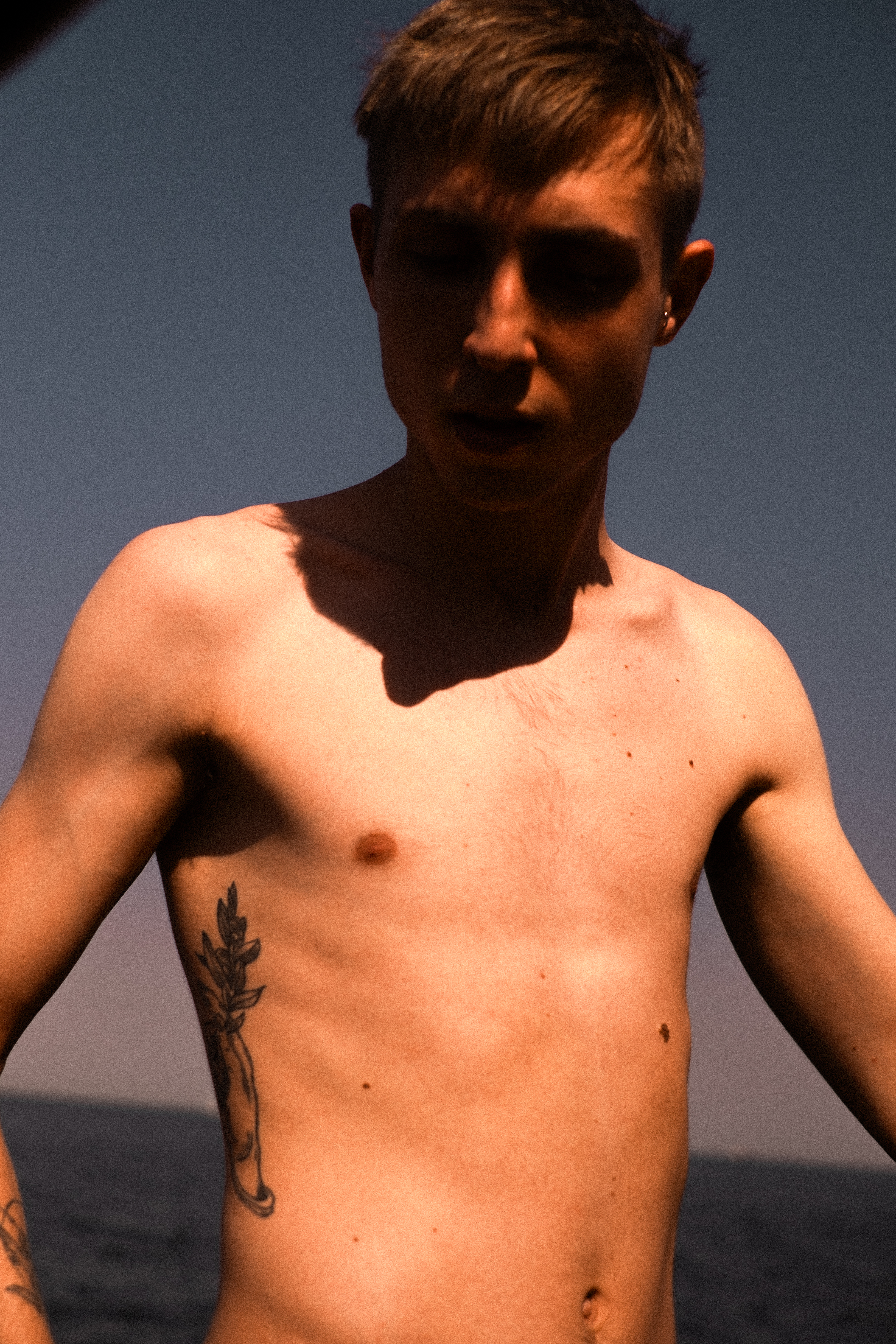
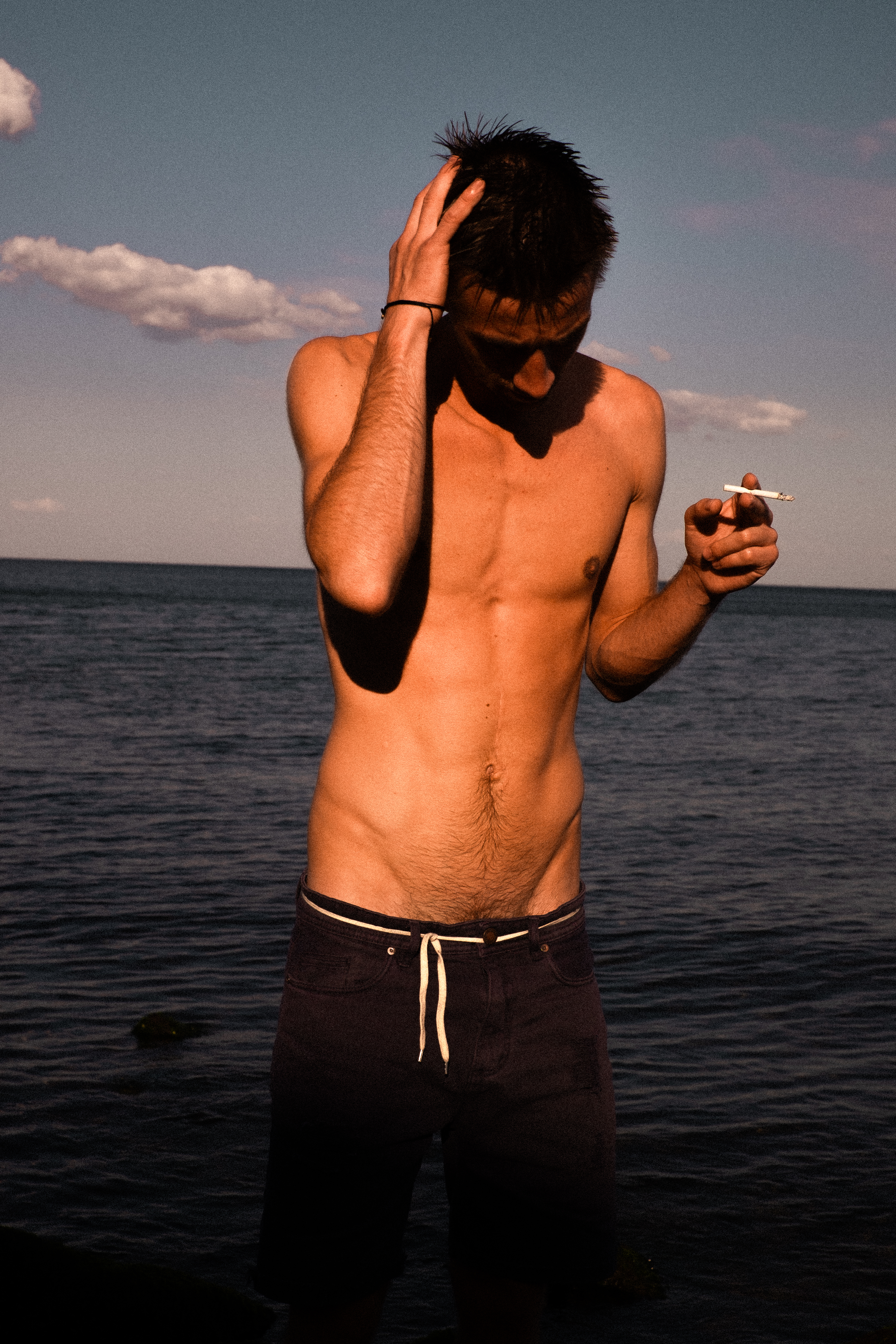
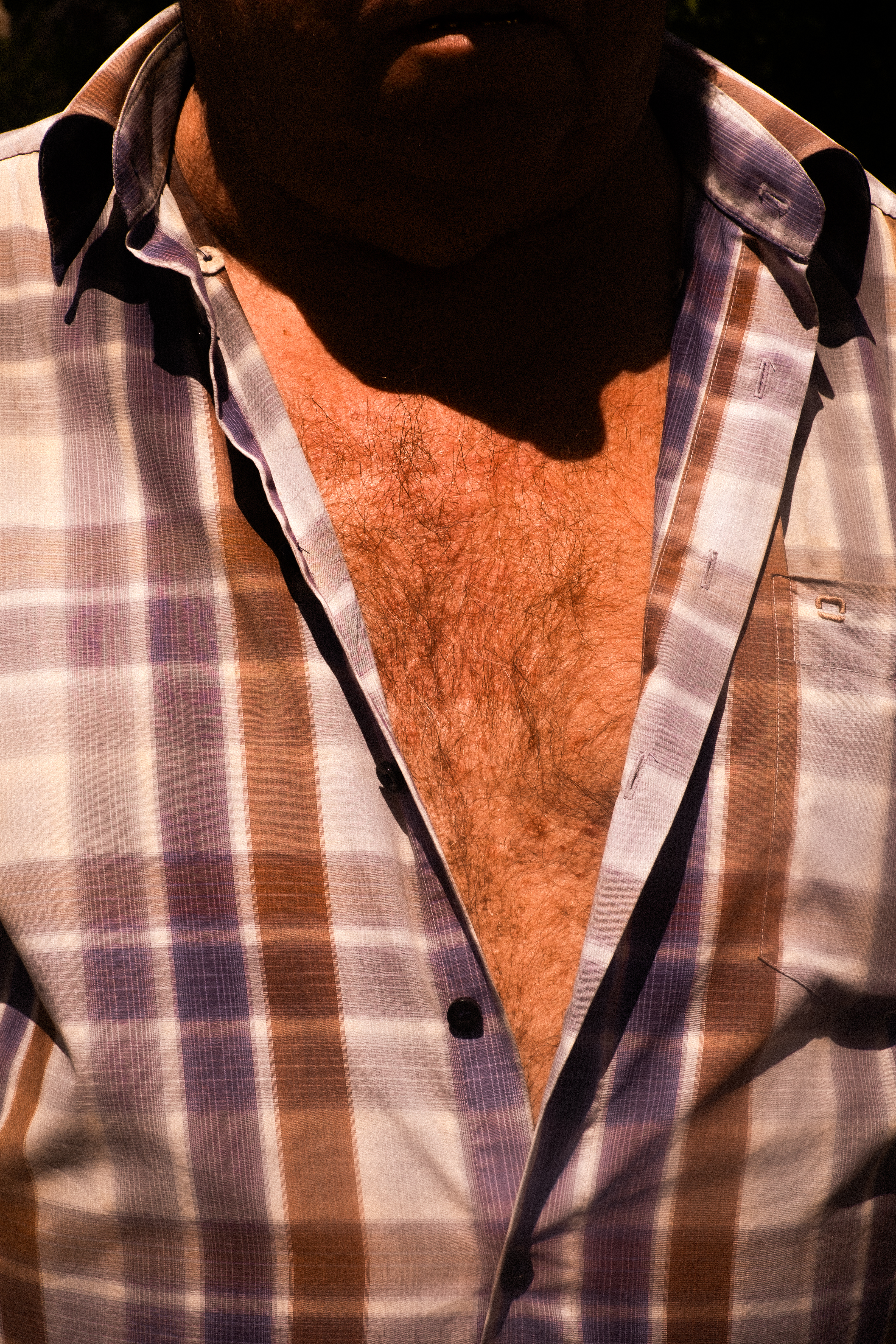
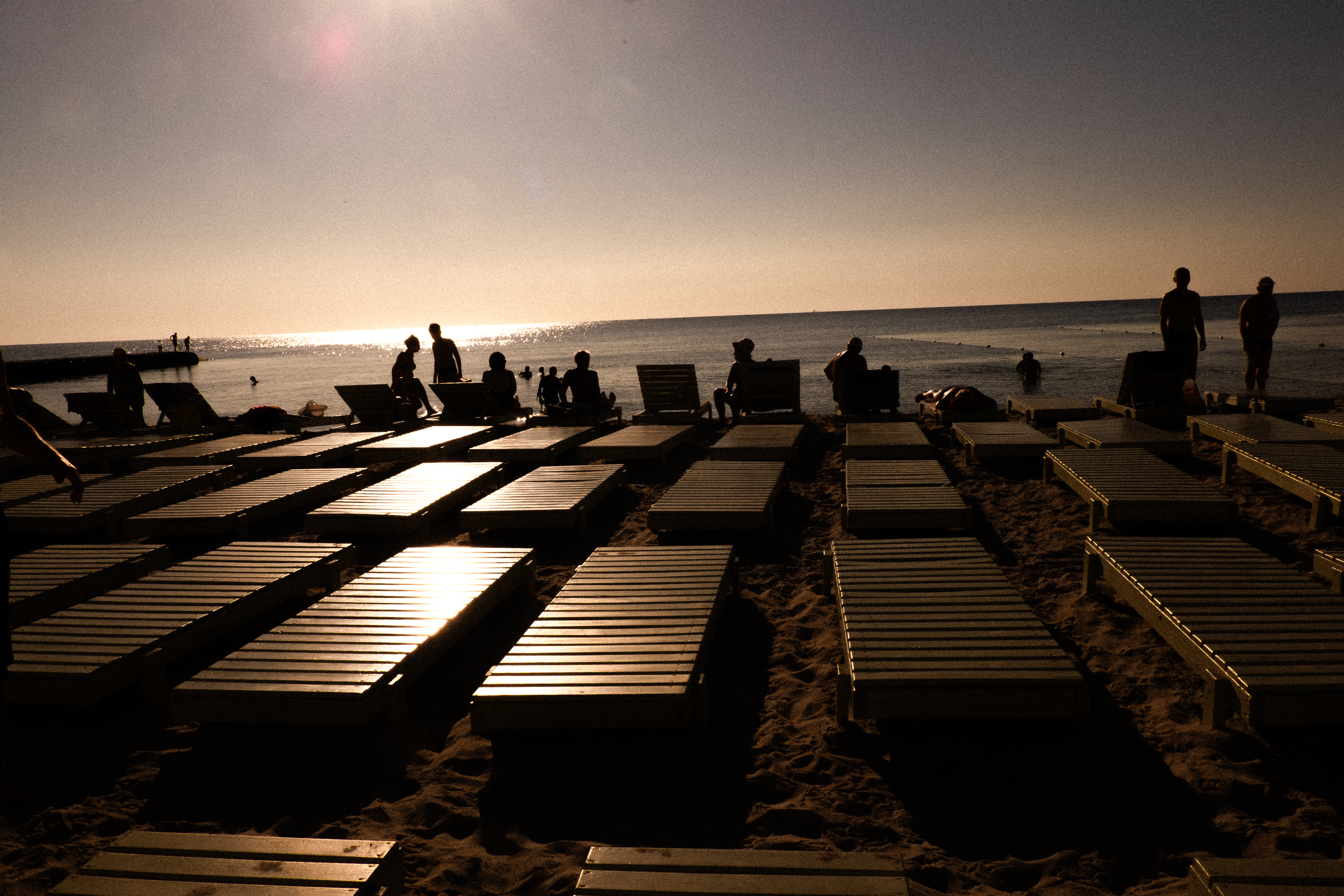
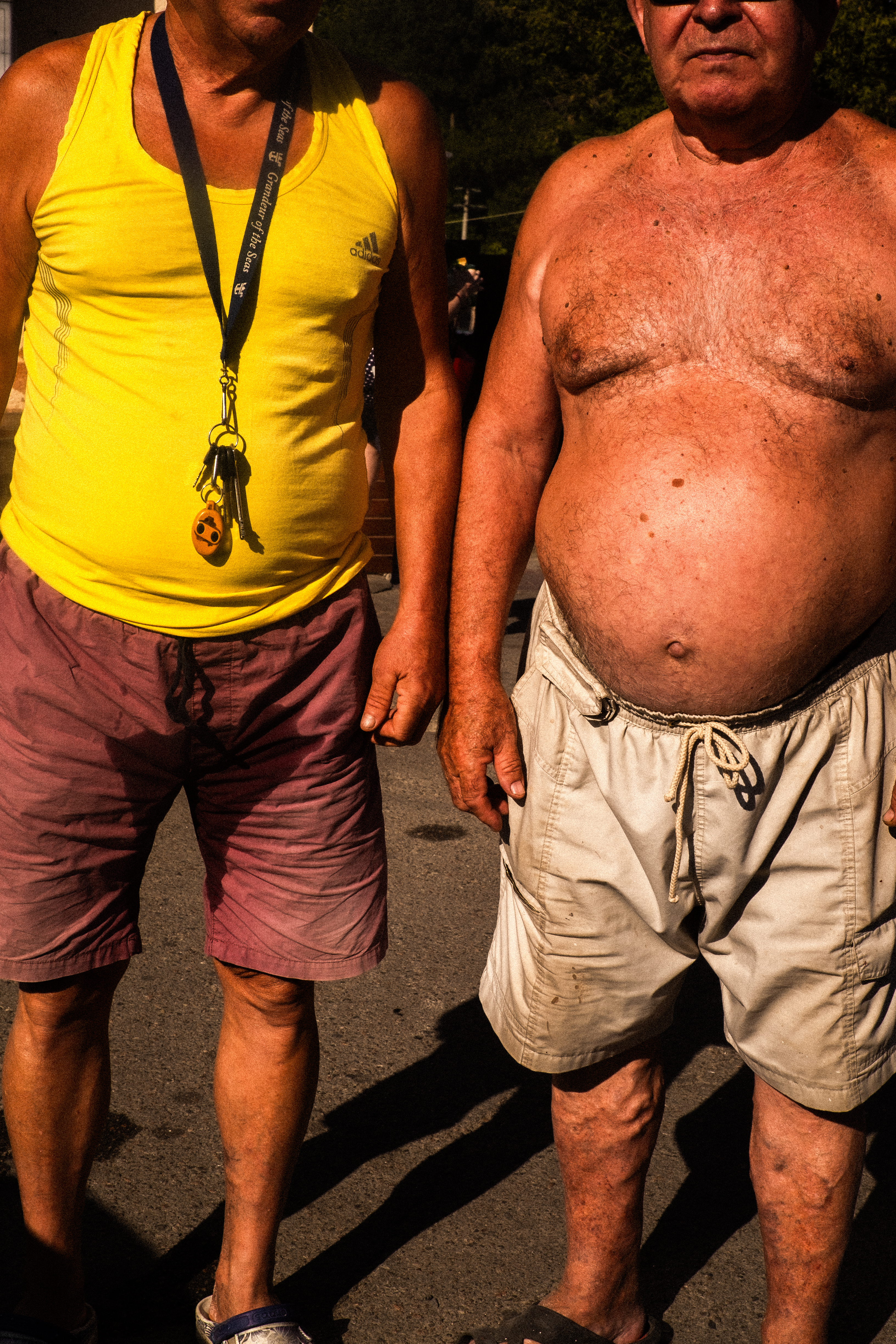
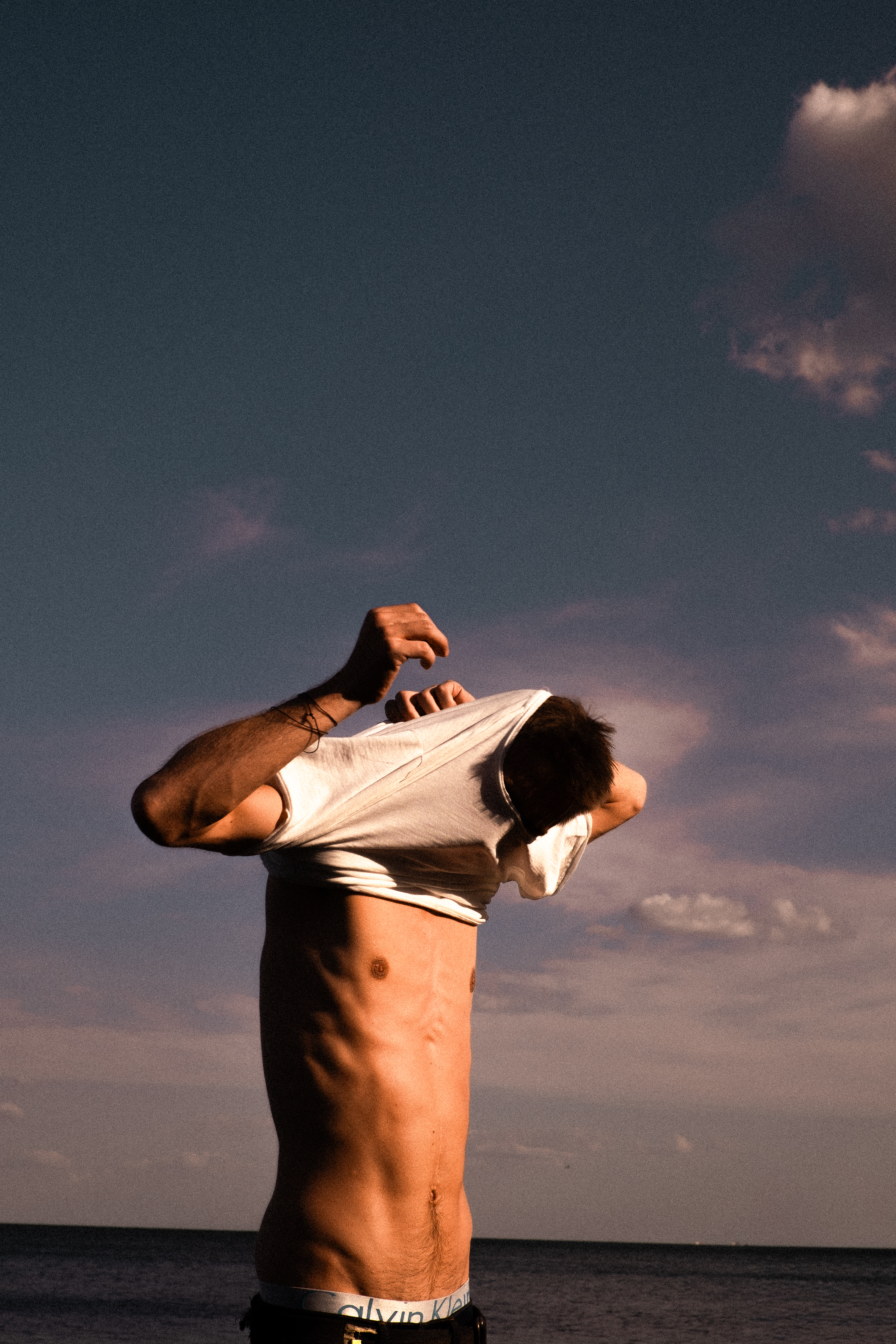
ODESA & all those shirtless men



Meat, Fish &
Aubergine Caviar















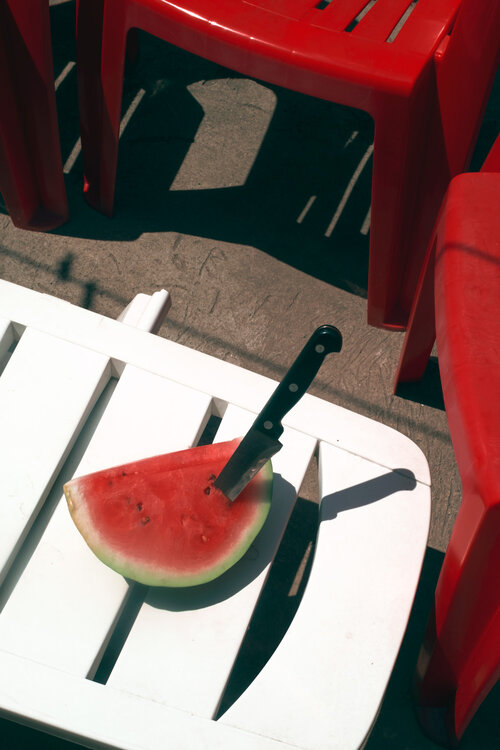

Book "Meat, Fish &
Aubergine Caviar" by Overlapse, UK
Favourite book of 2023 by Lensculture & Photo-eye
Order your copy here


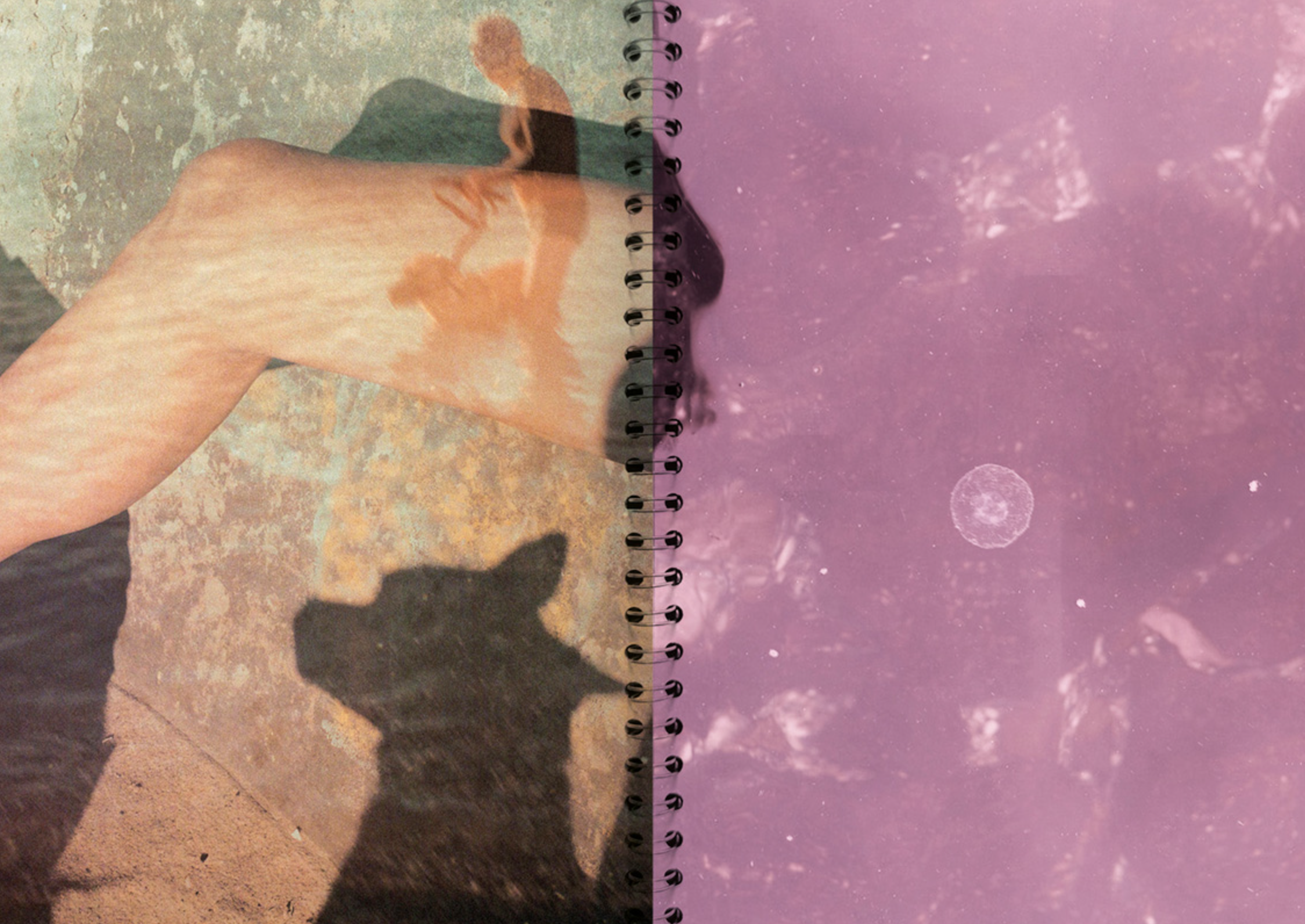

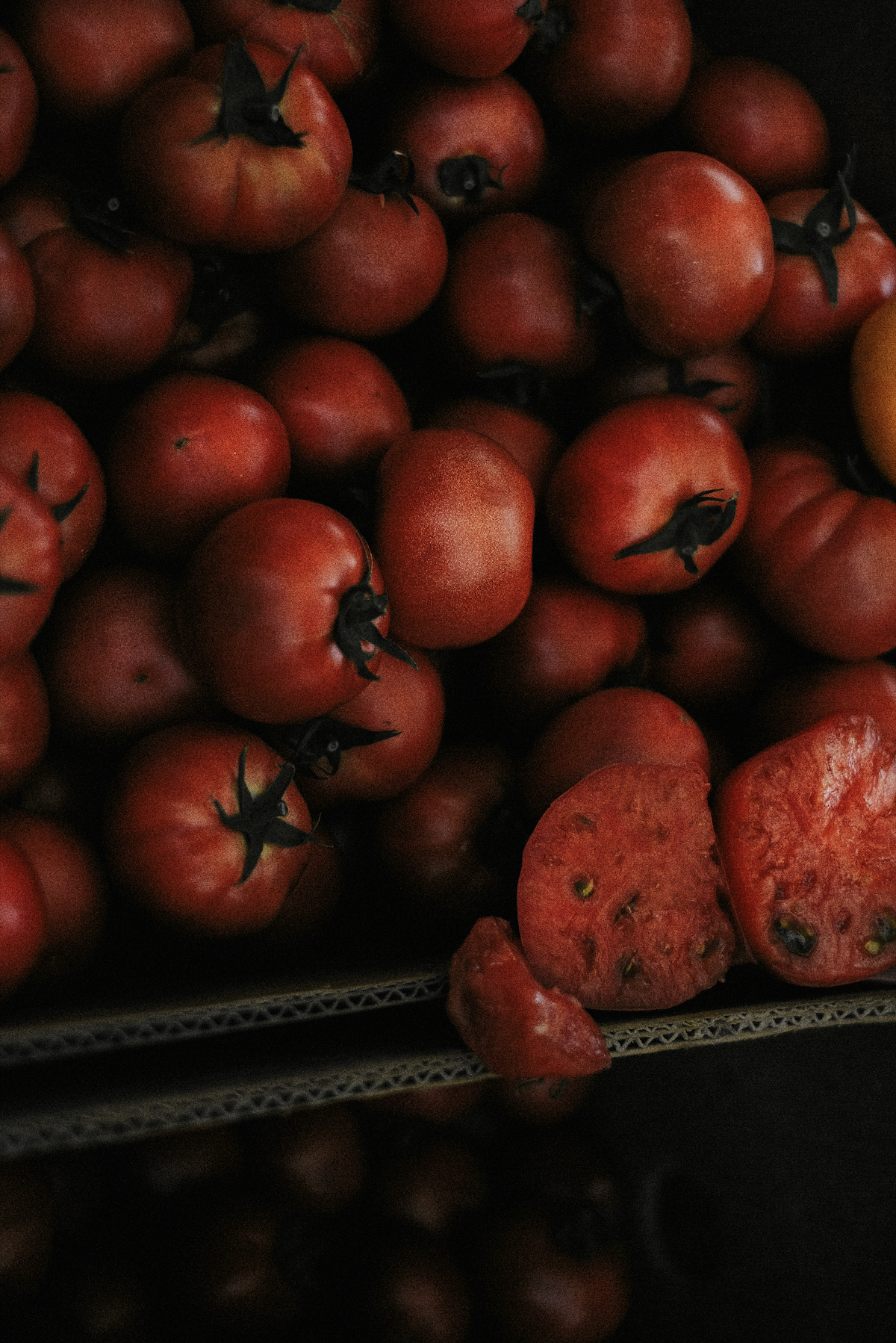
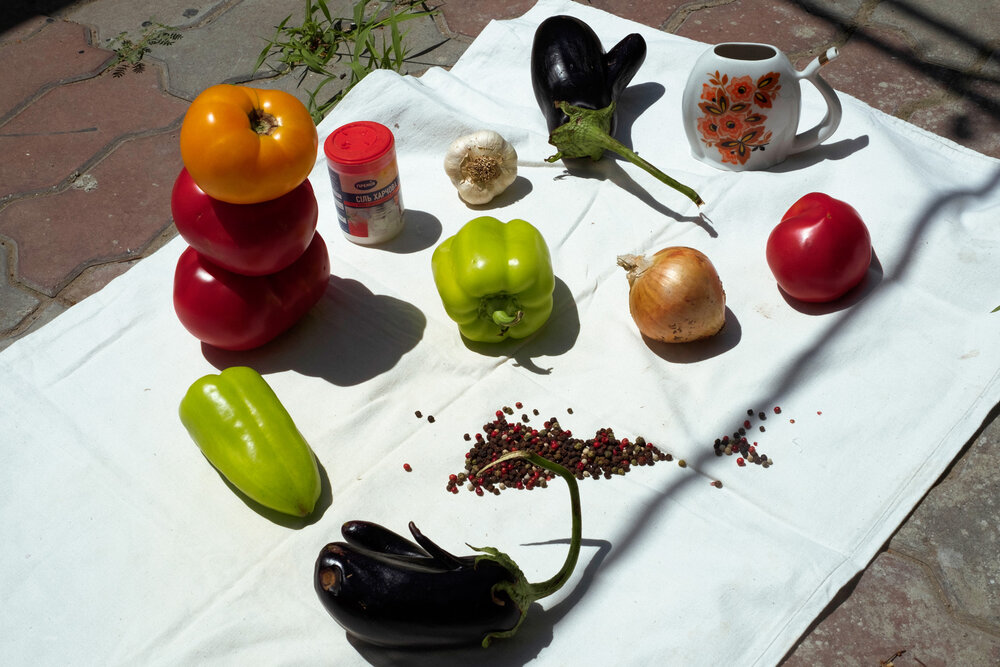
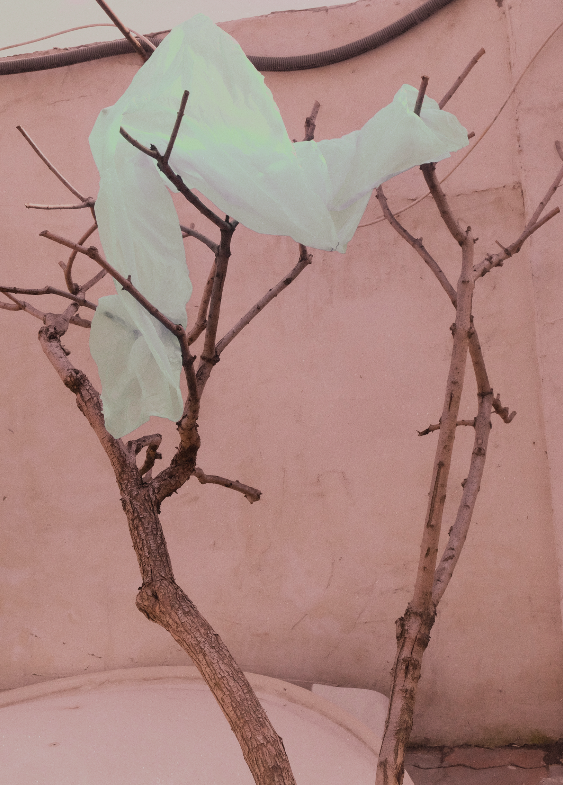
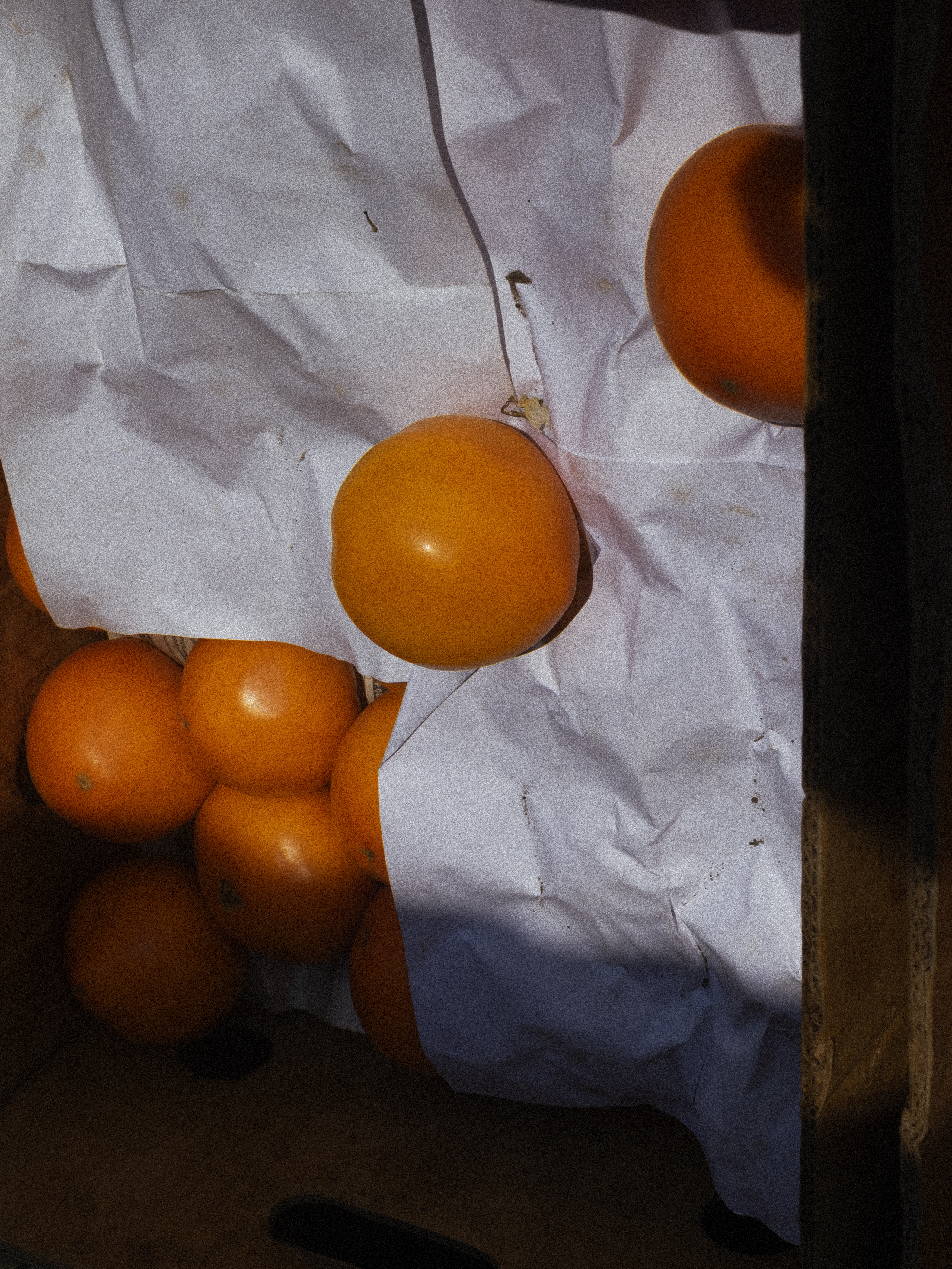
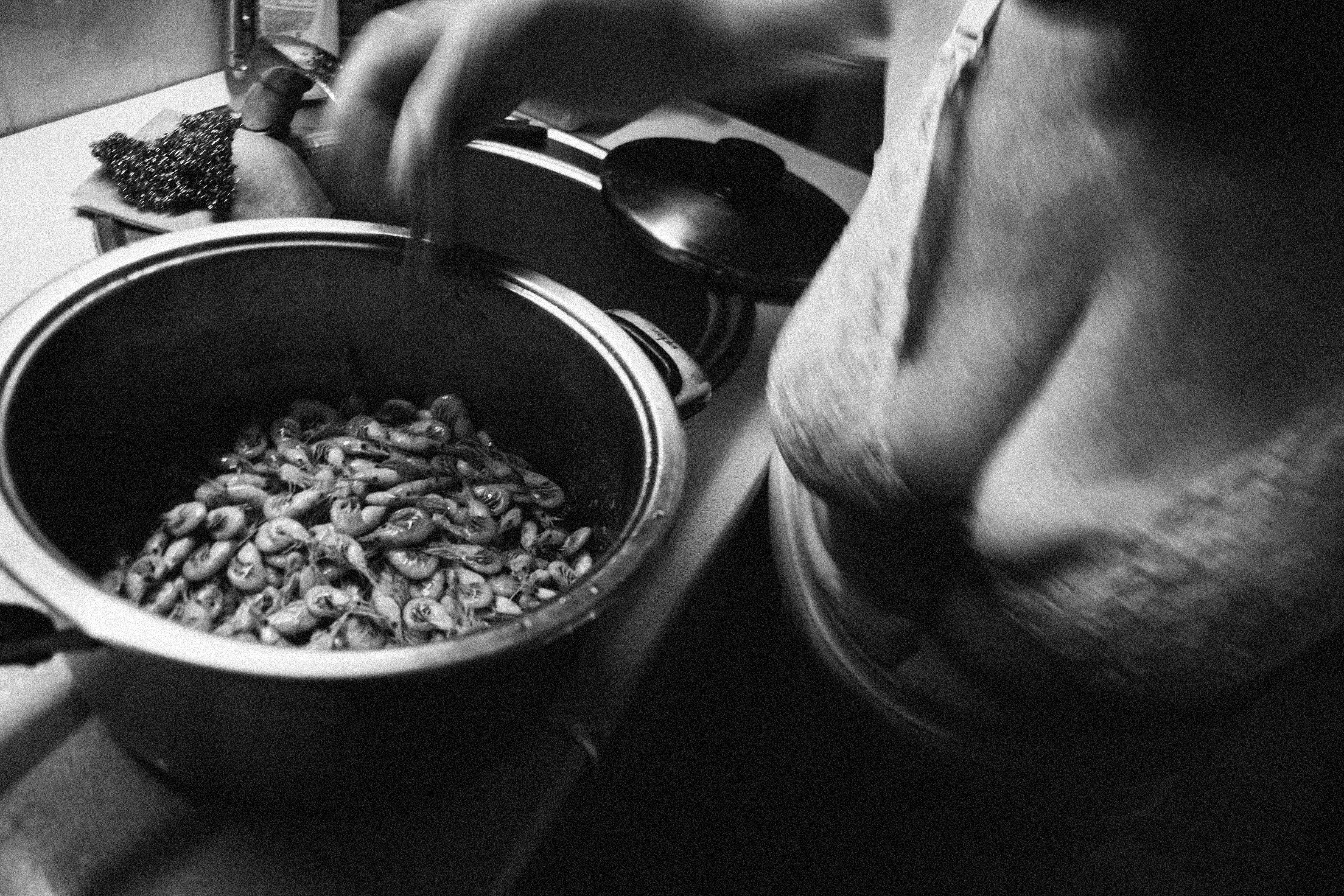
This project highlights the richness of Ukrainian culture and traditions, as seen in the vibrant still lifes of colourful vegetables. I also emphasise the importance of preparing and sharing a meal and show the deep-rooted traditions of Ukrainian cuisine. This serves as a reminder of the value of family and community, tying together the cultural heritage that shapes us.
(2016-2019) Odesa, Ukraine
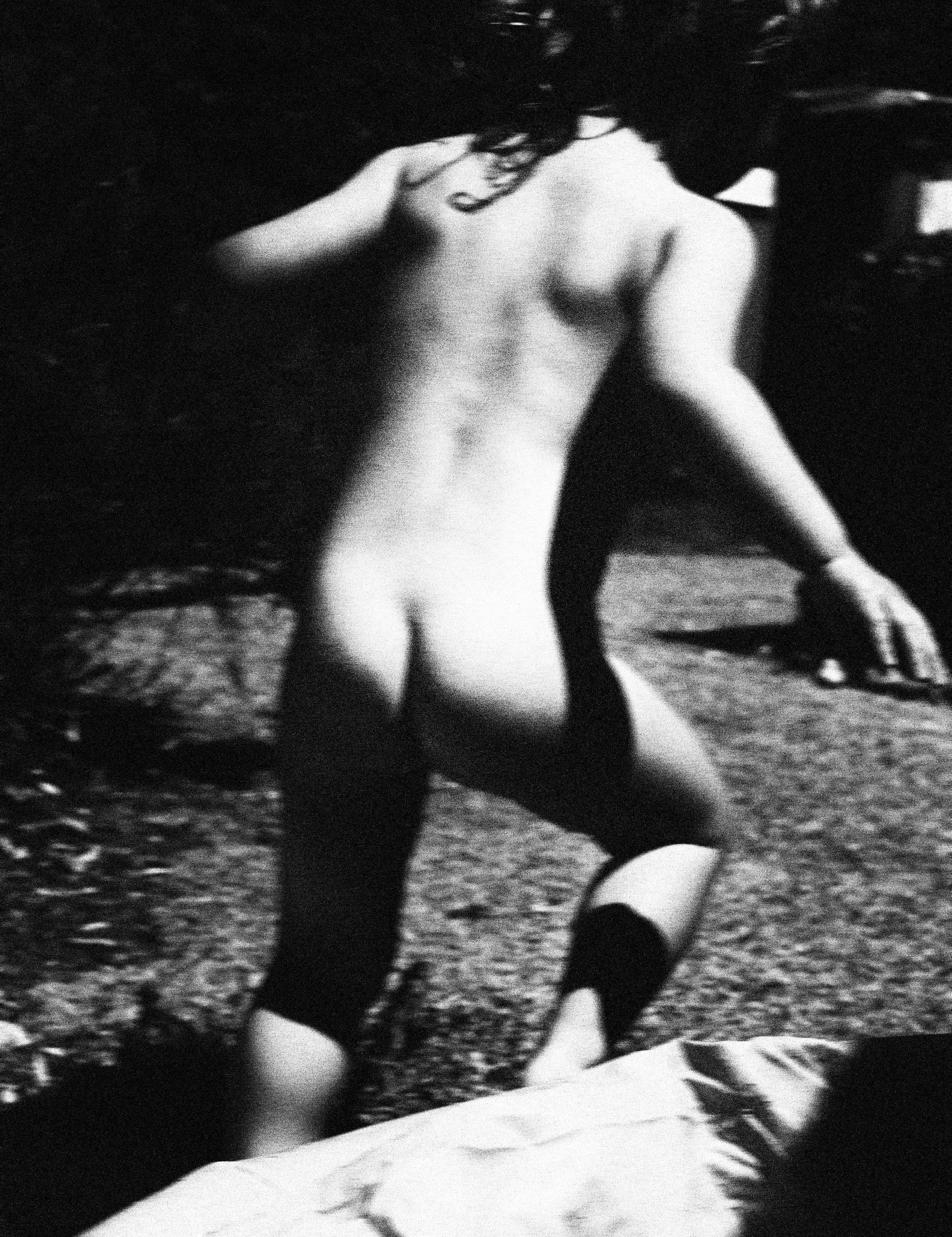
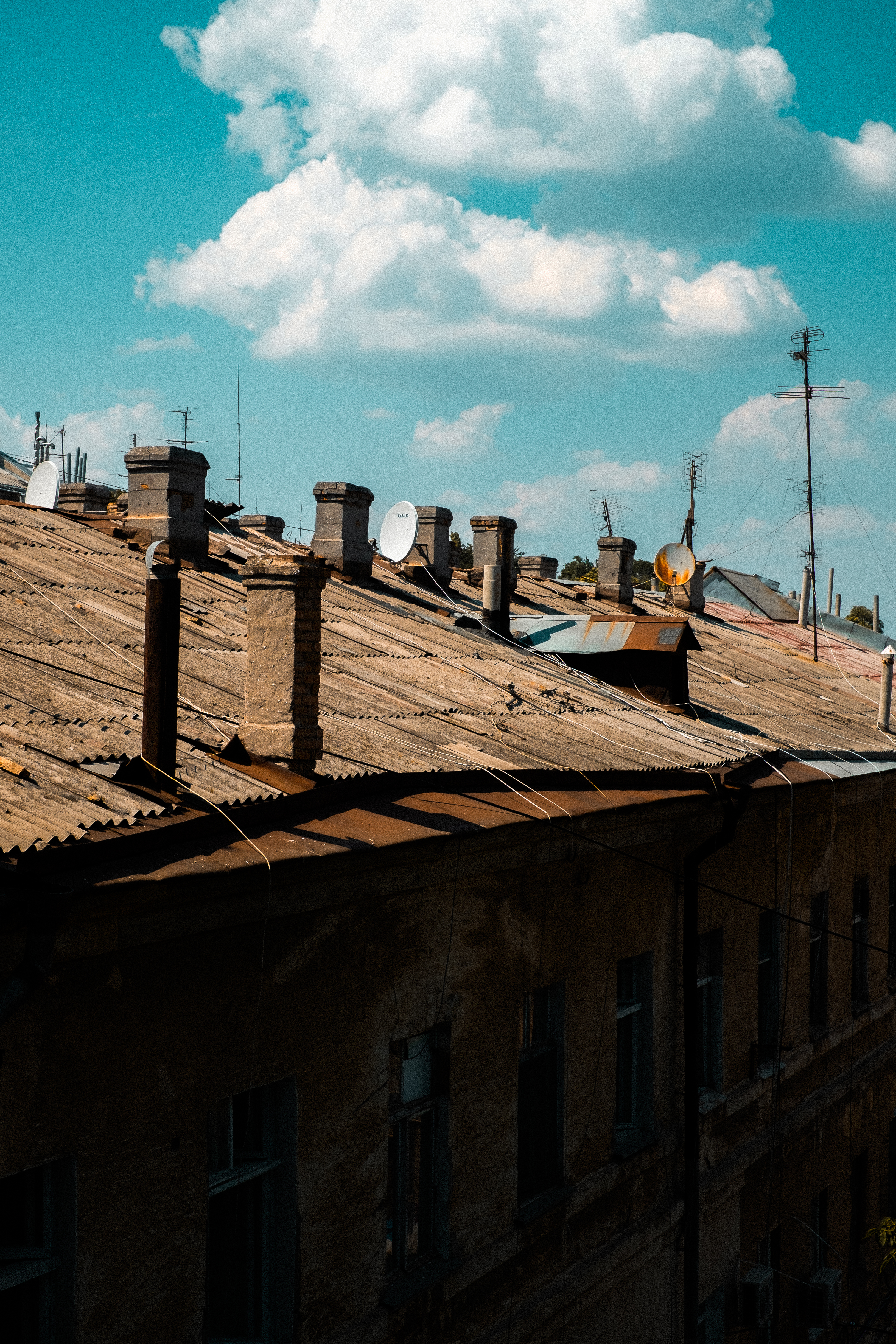
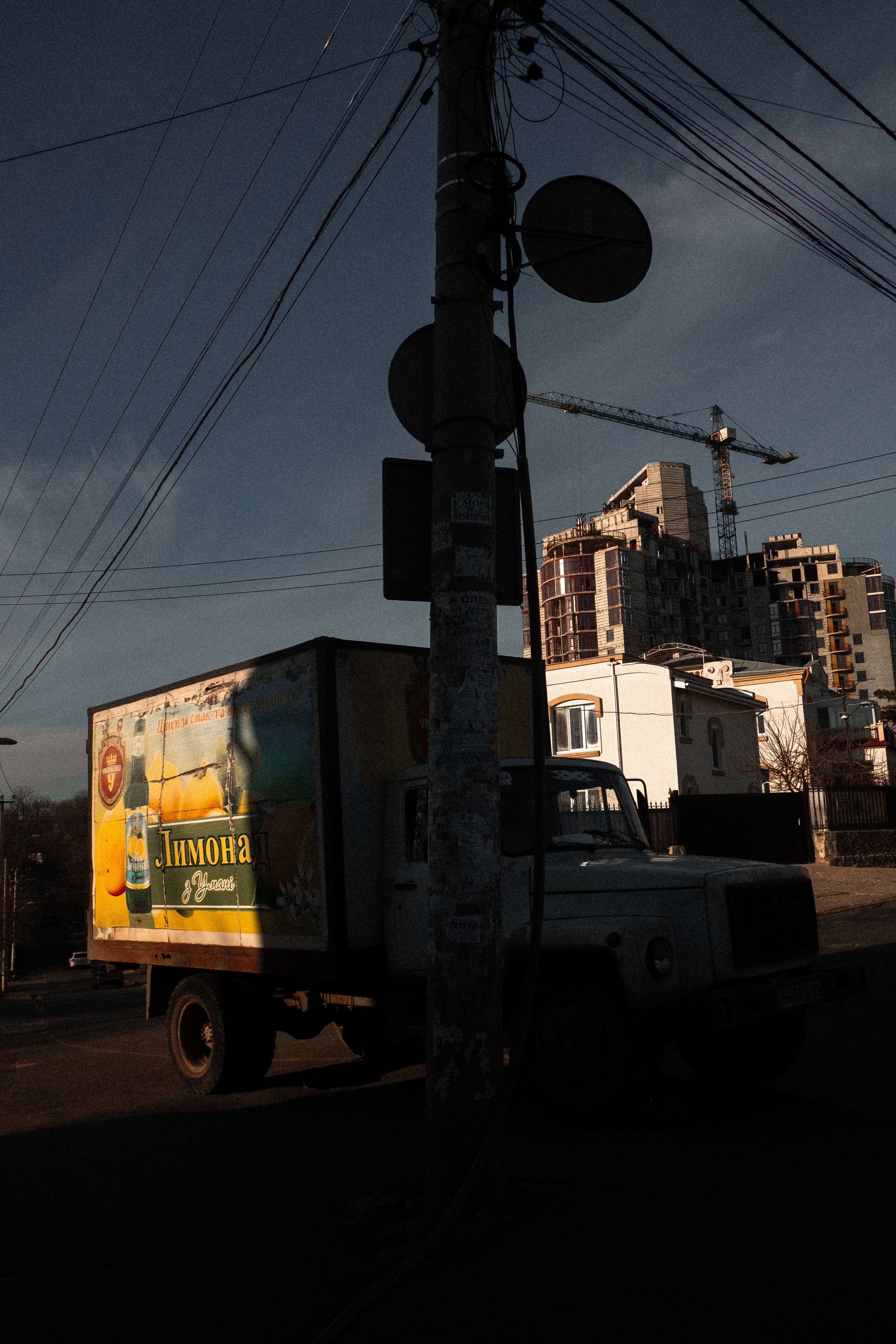
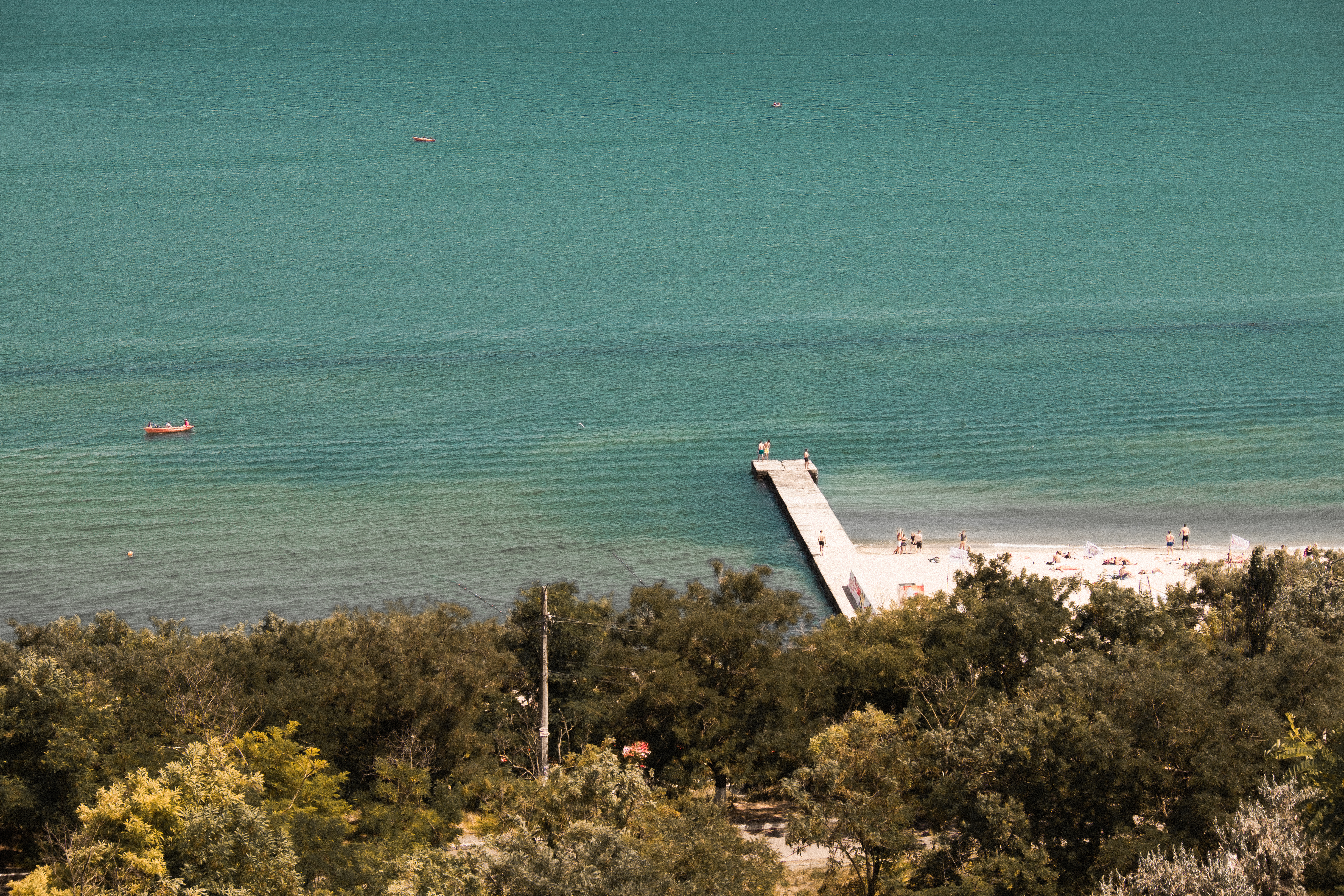
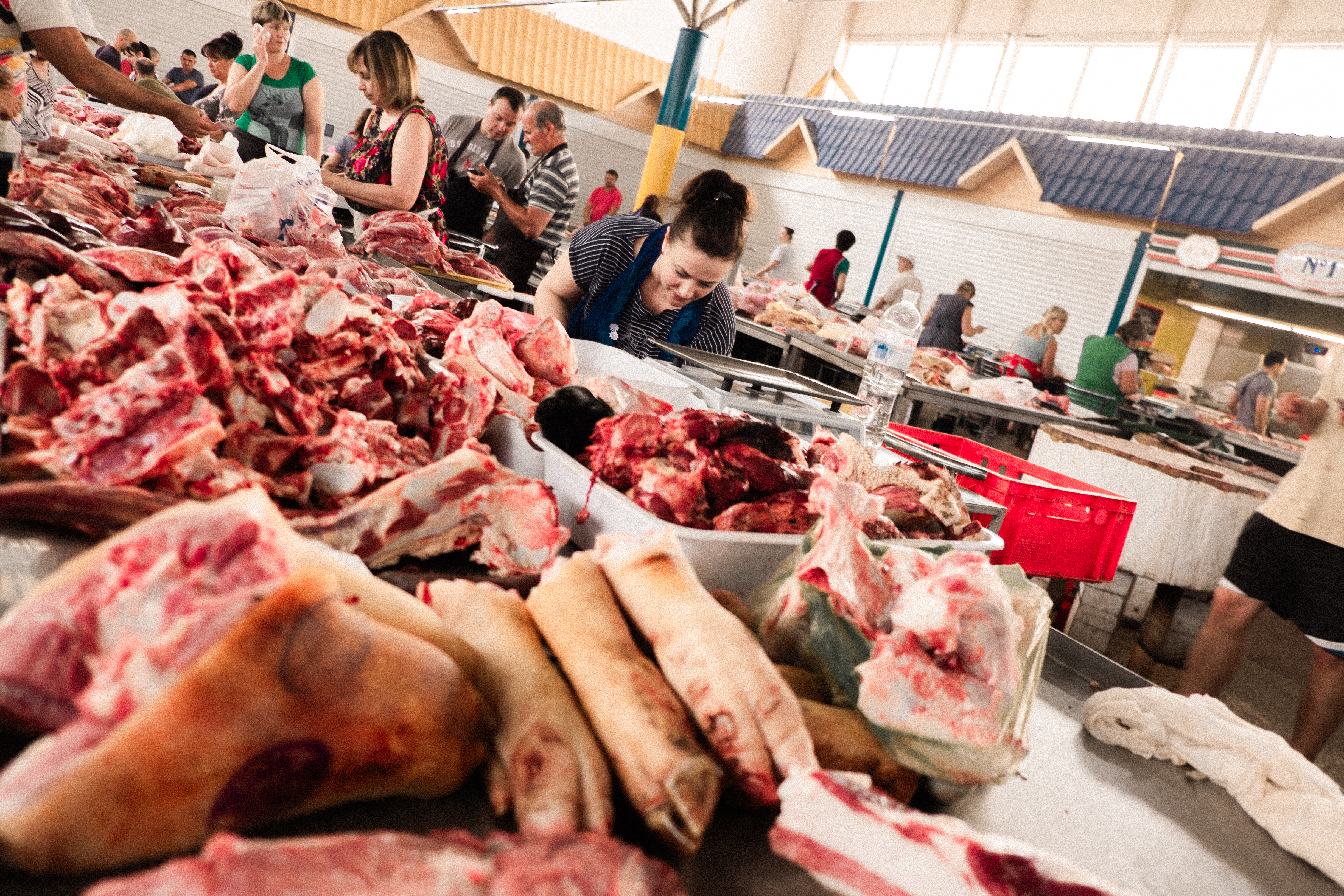
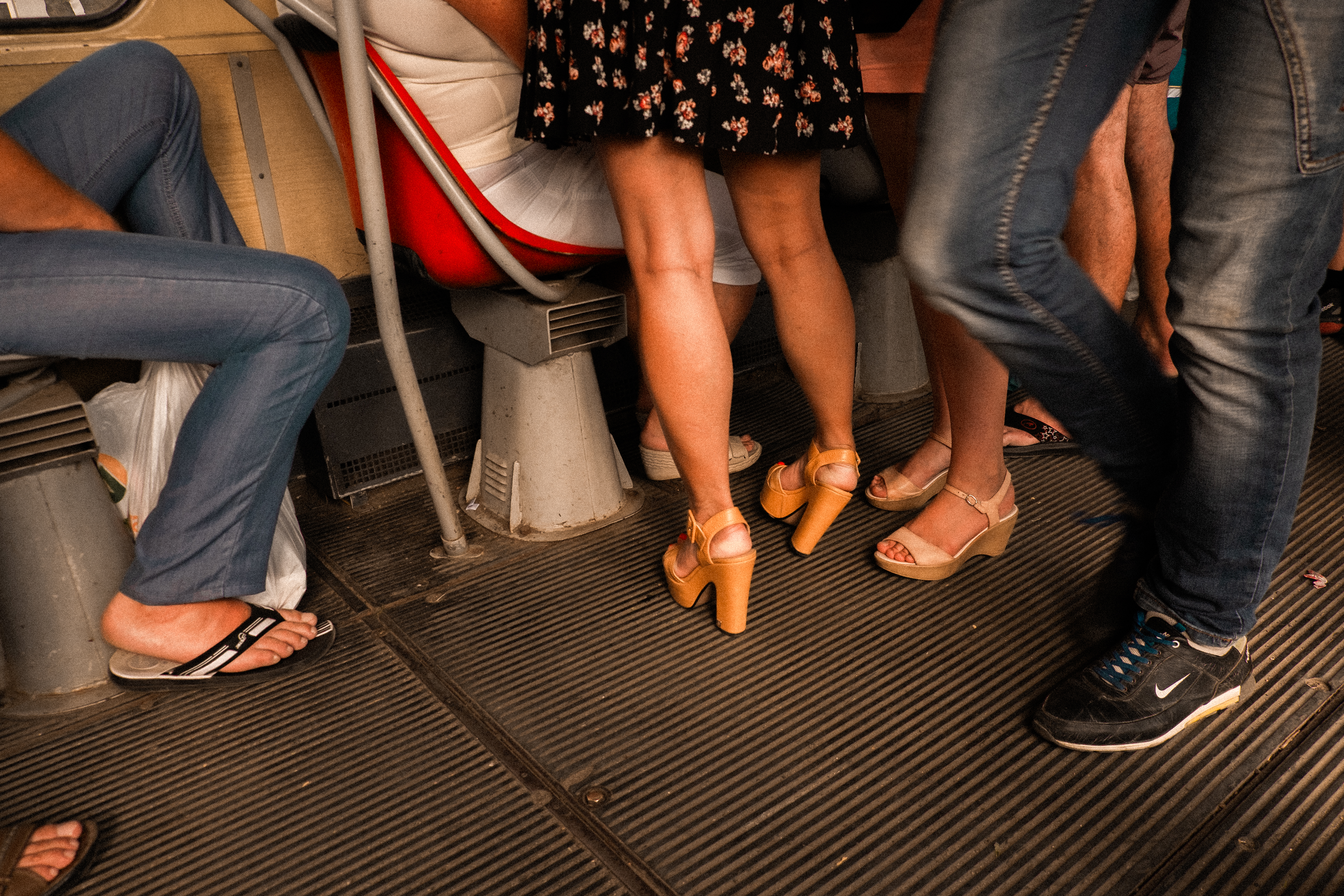
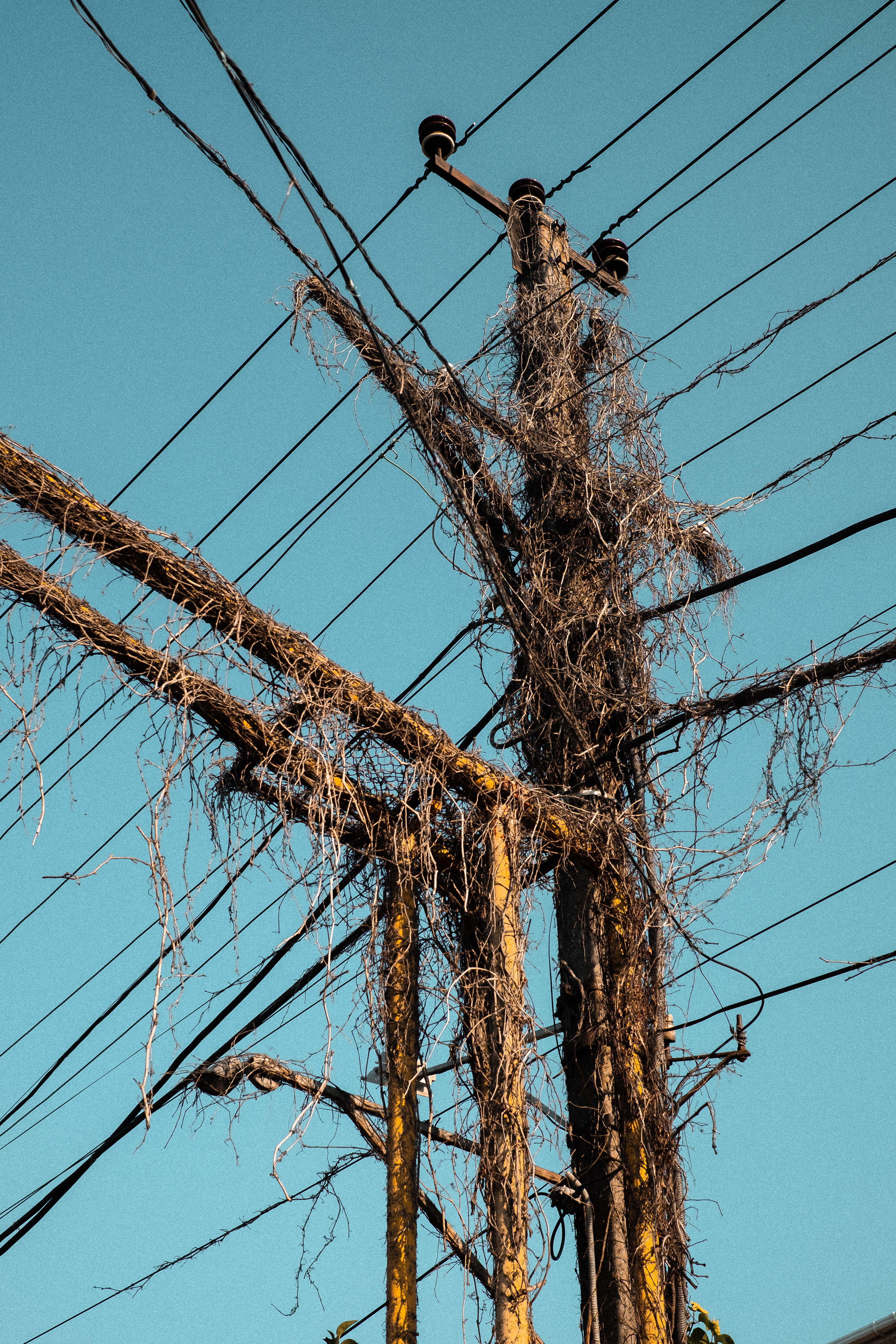
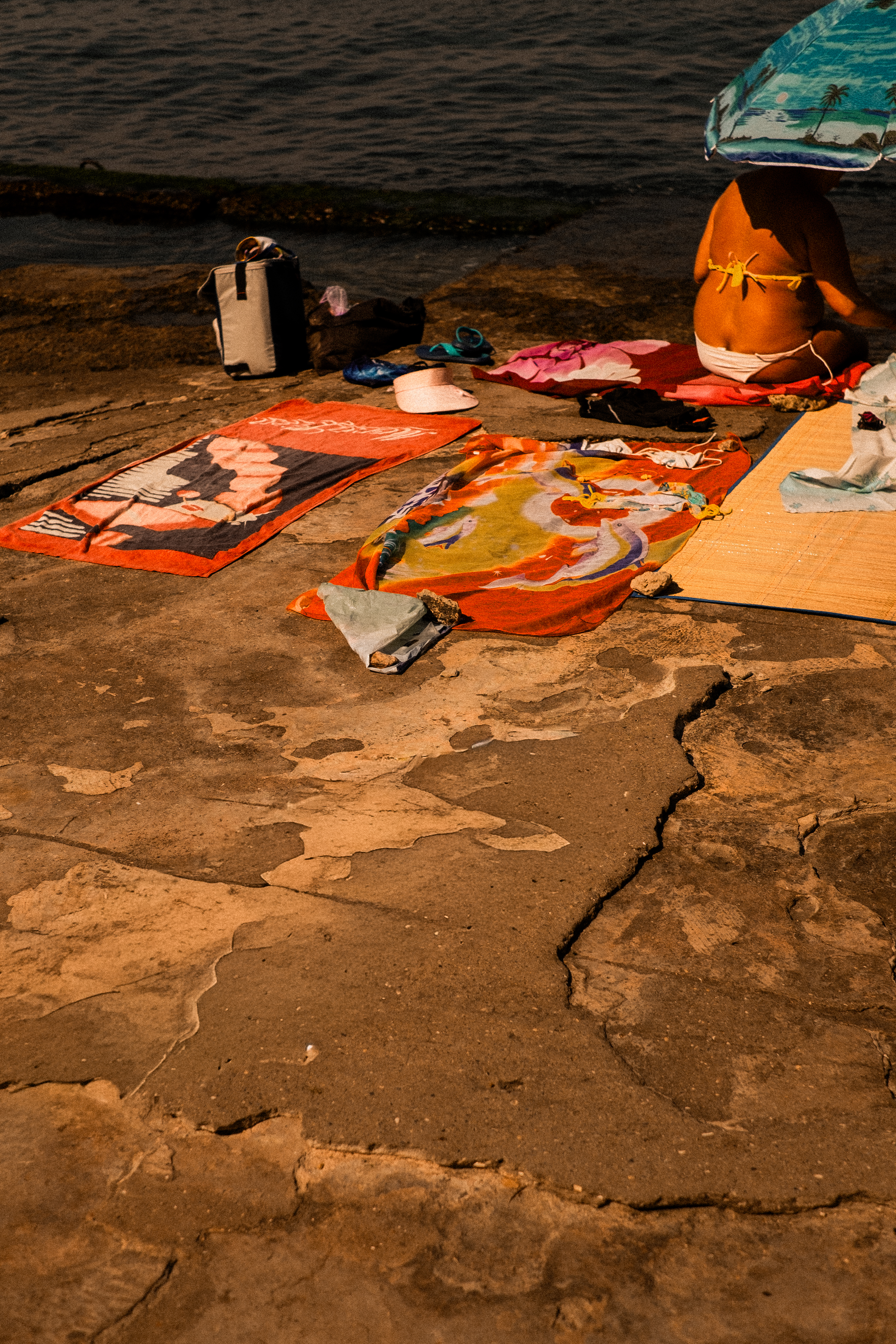
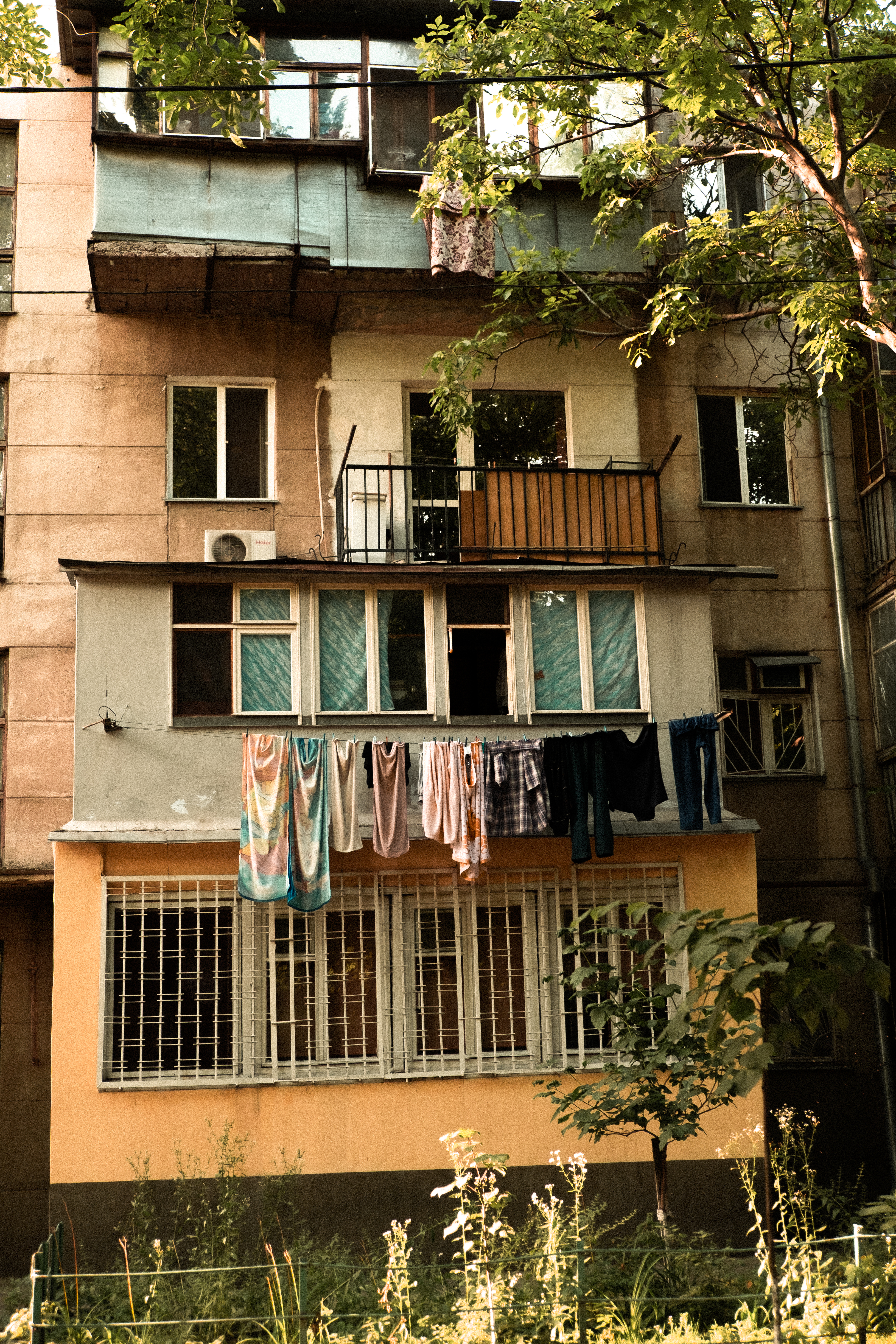
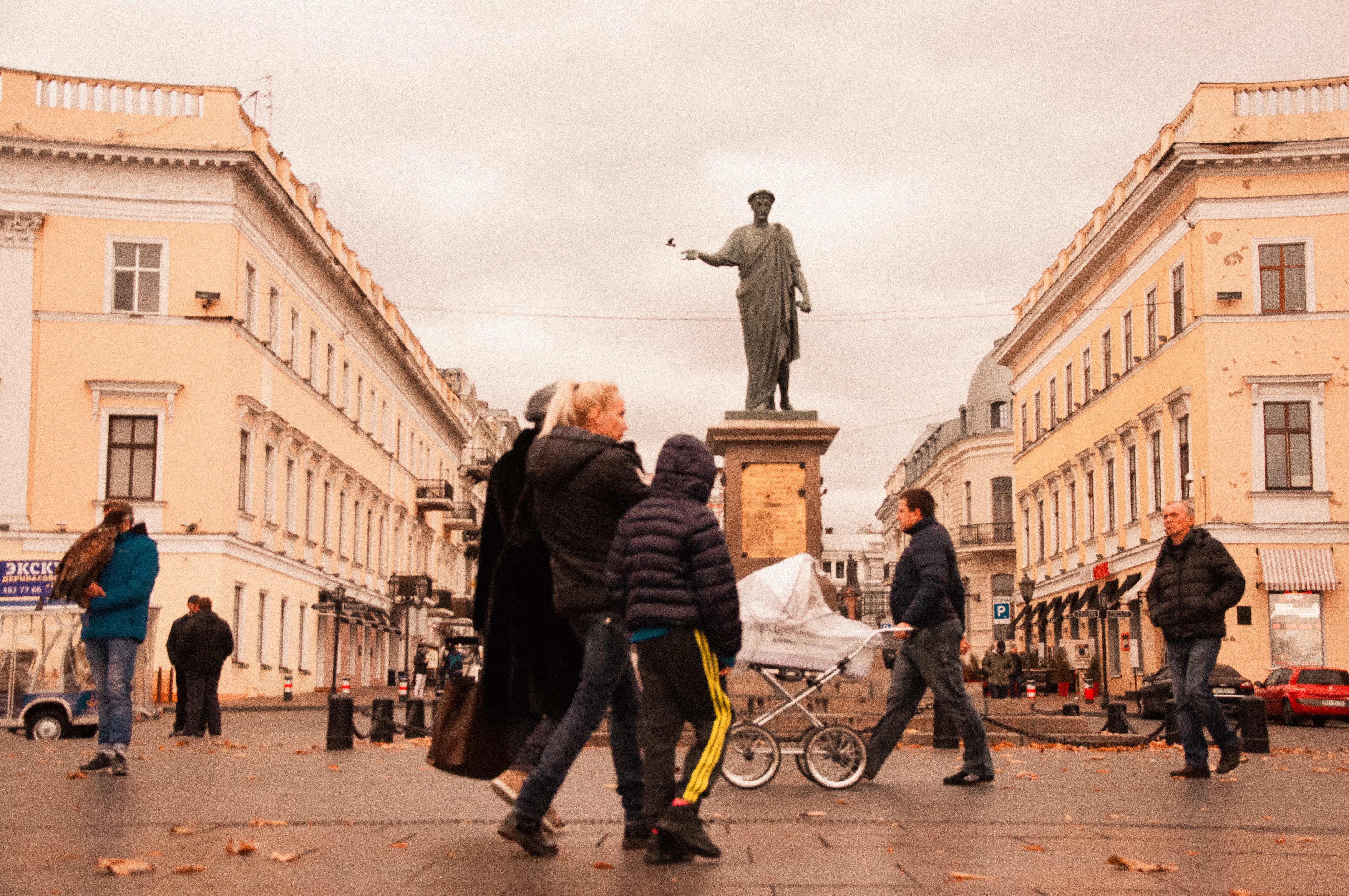
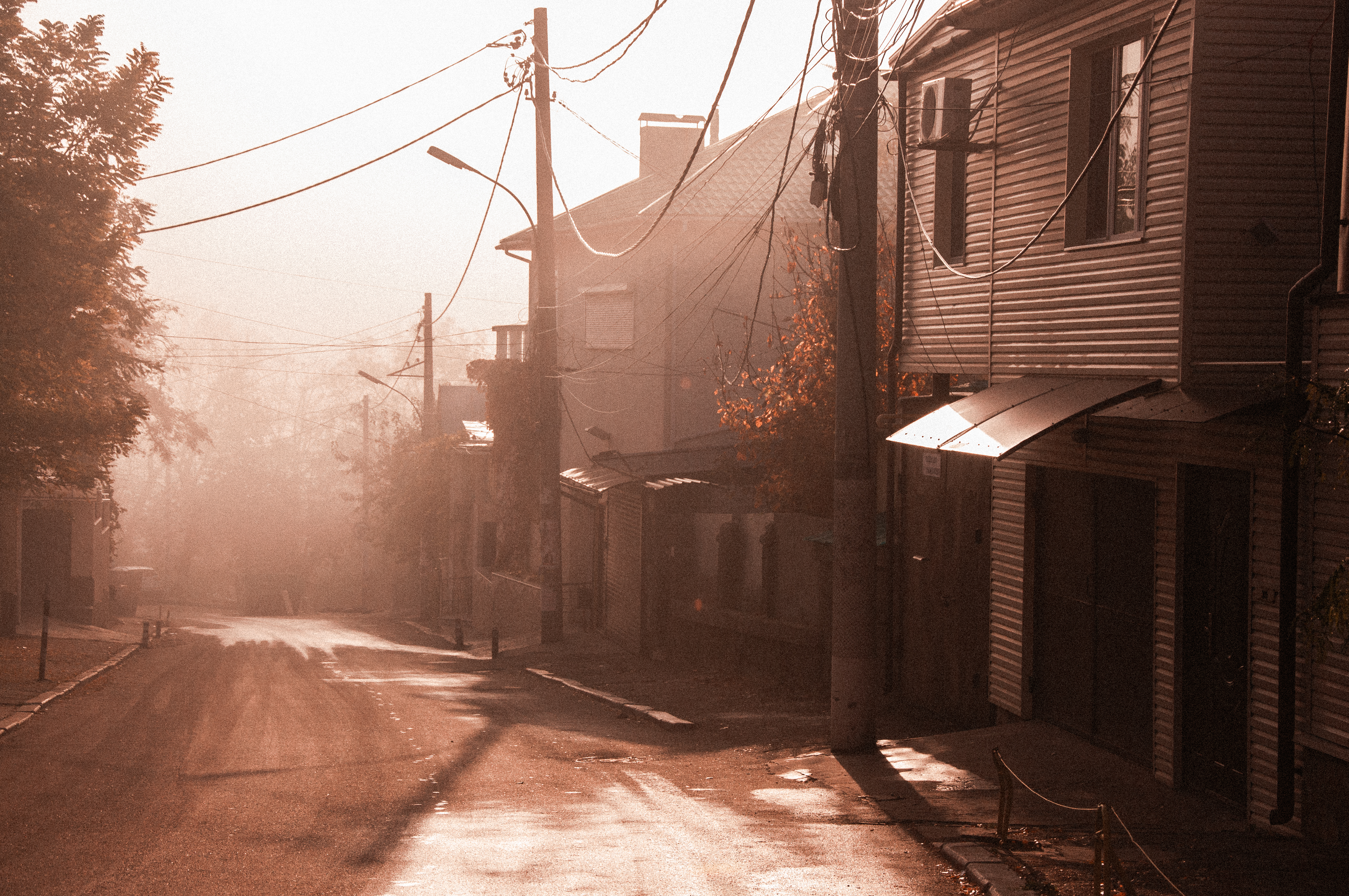
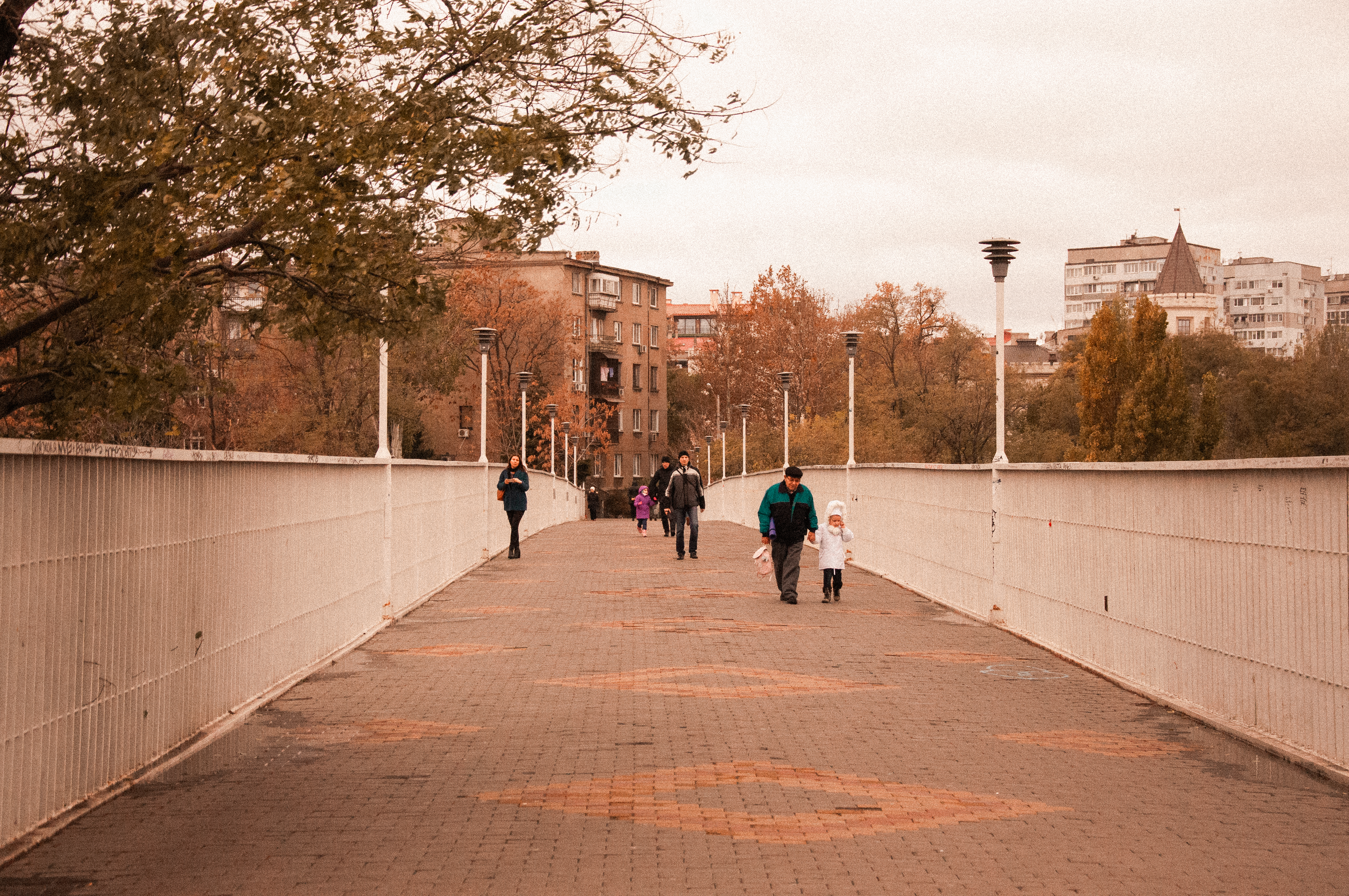
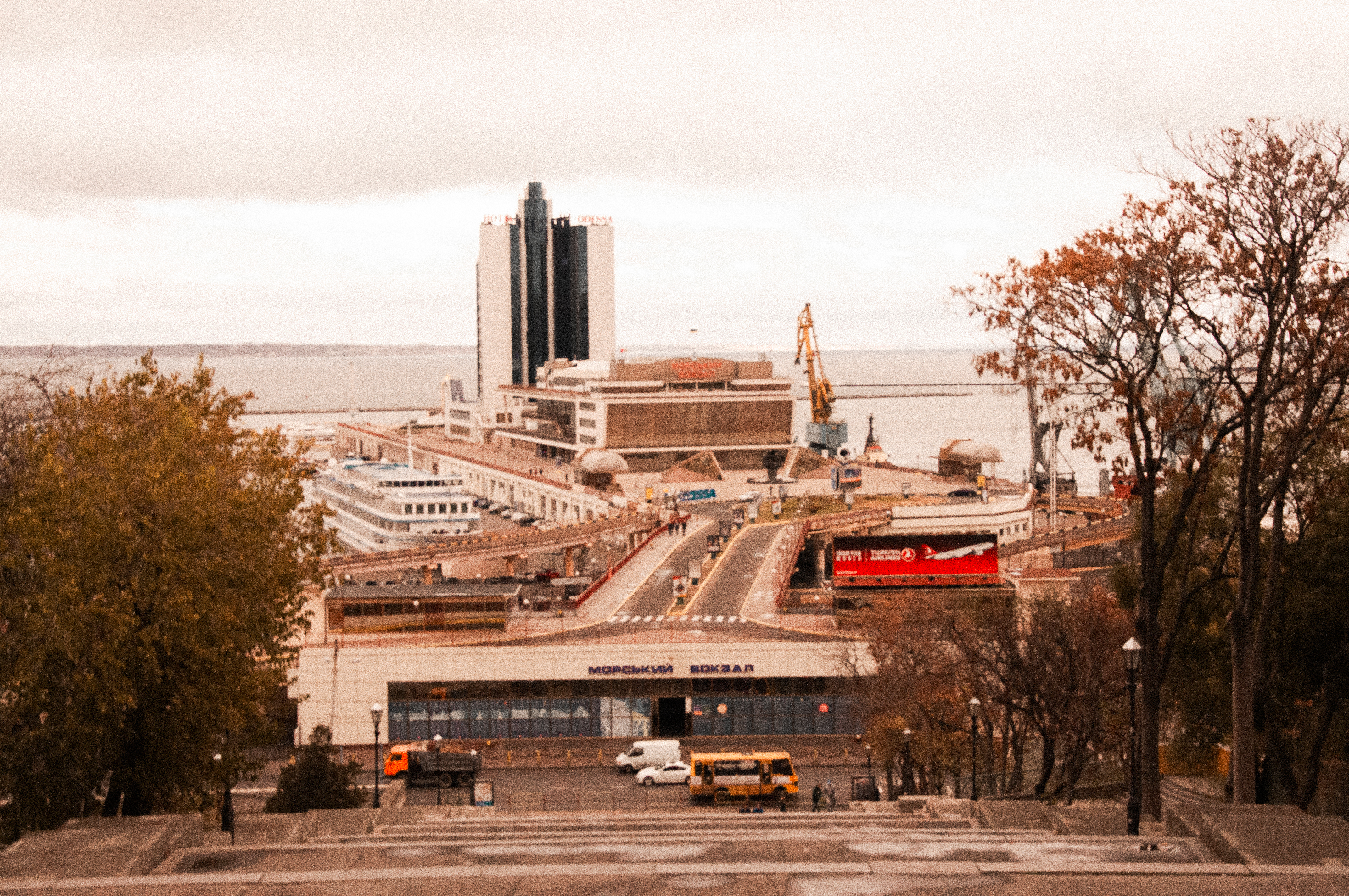
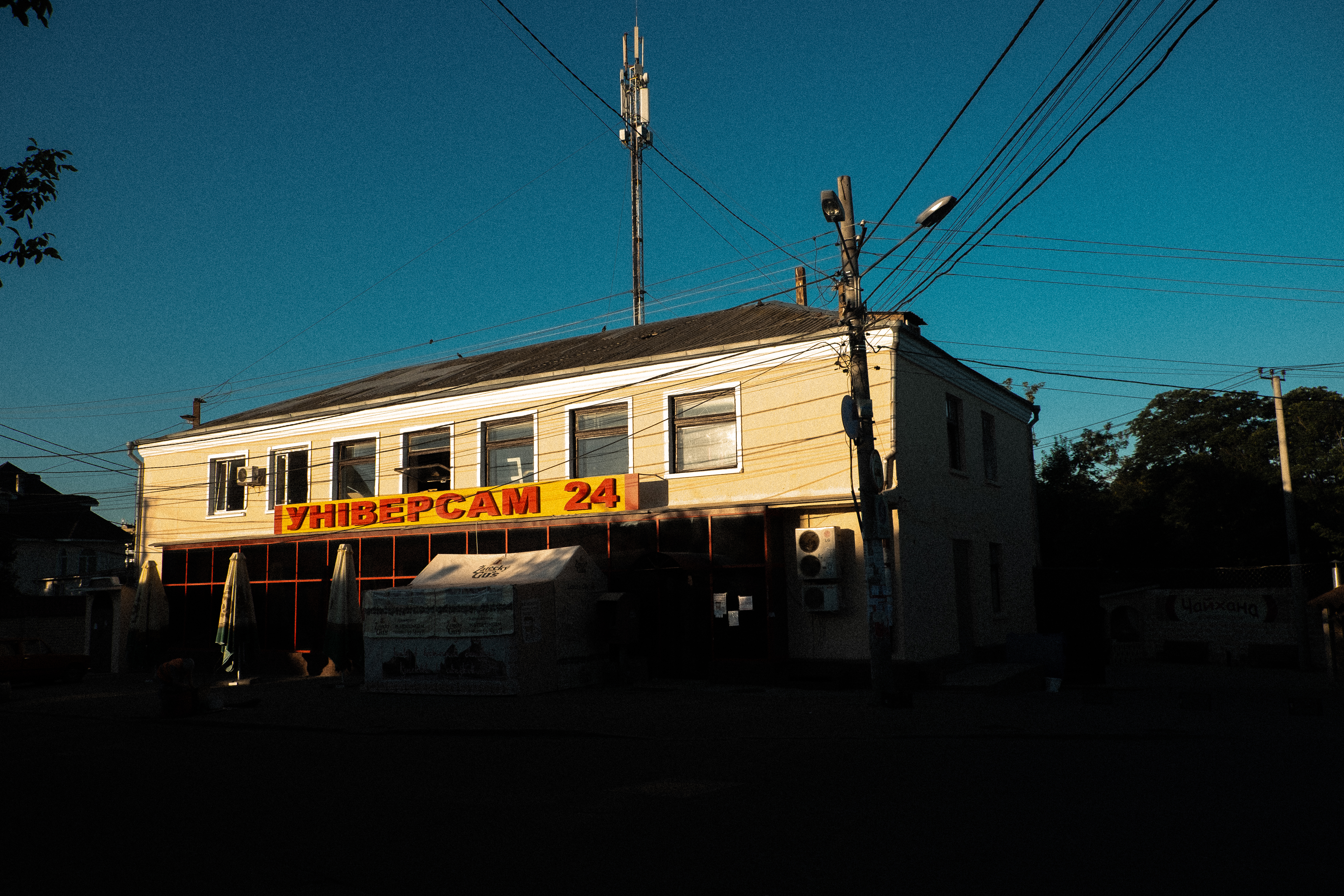
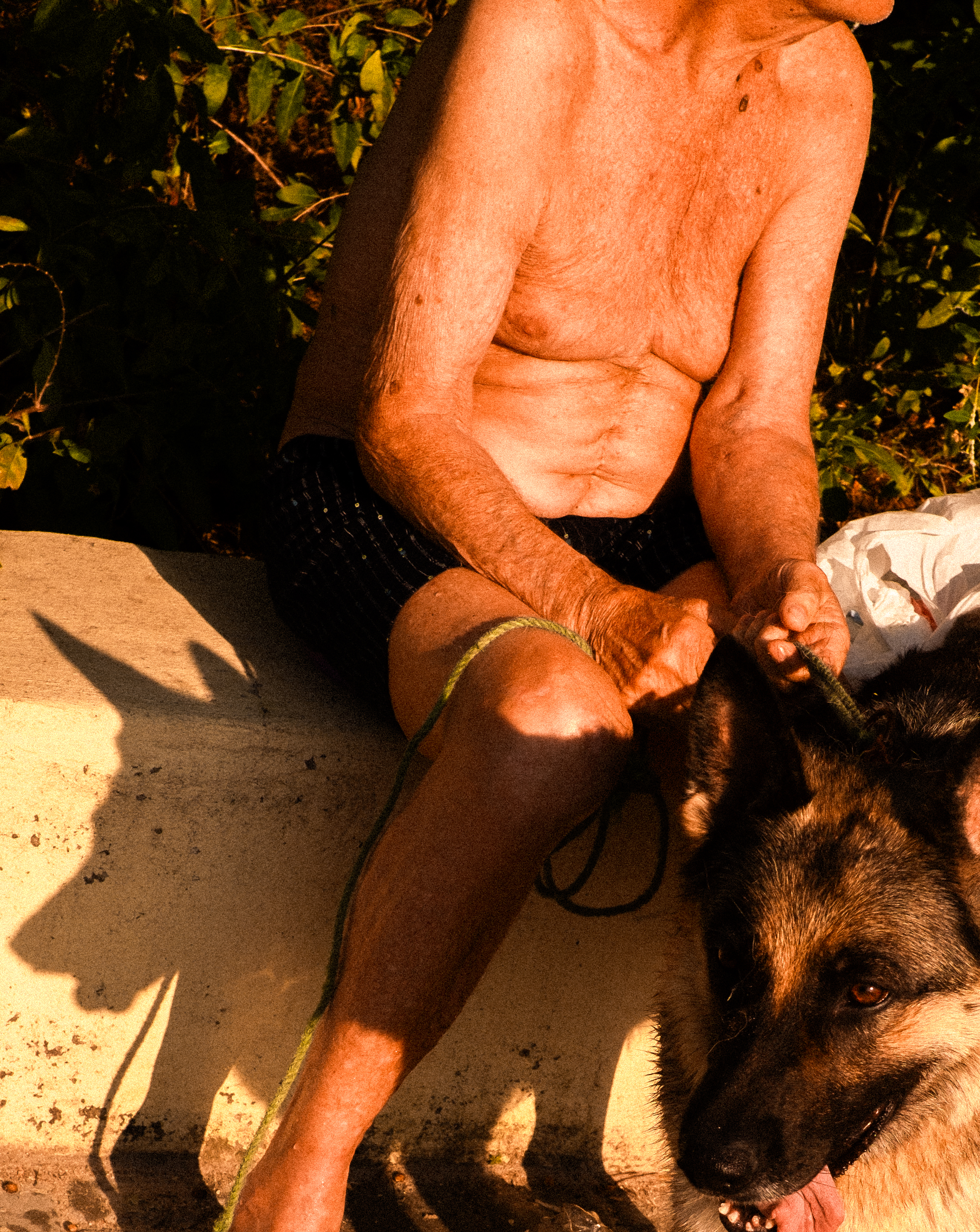
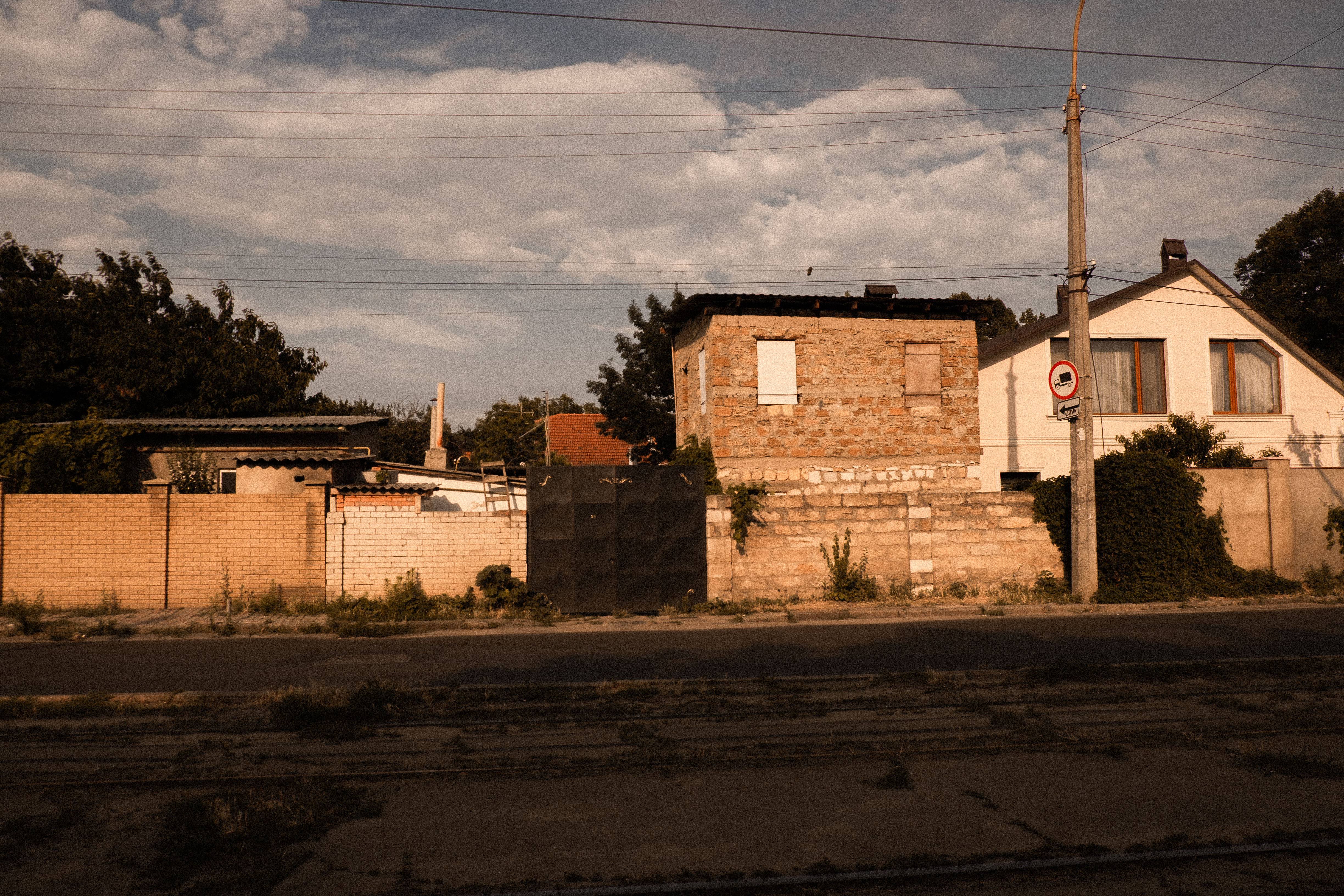
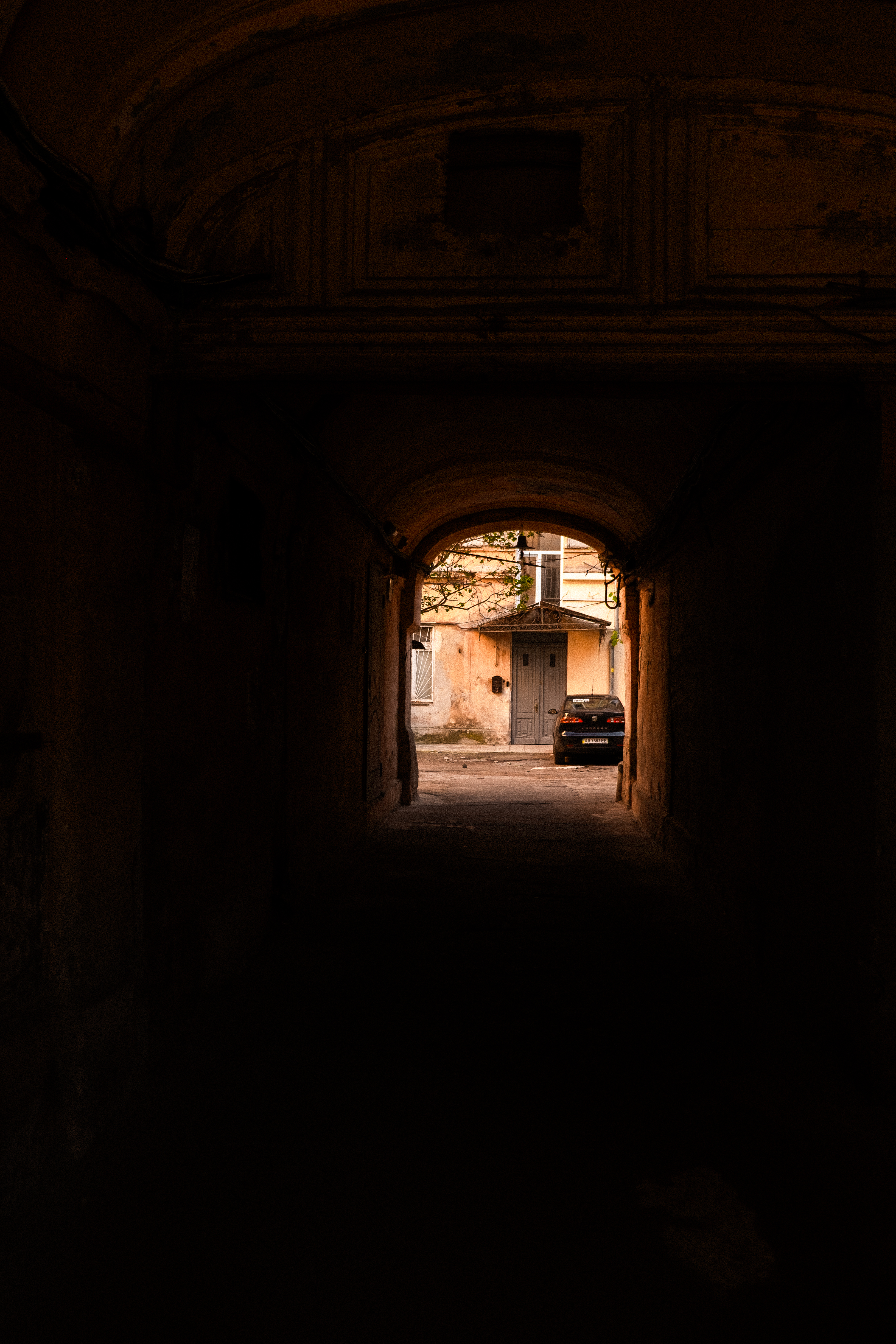
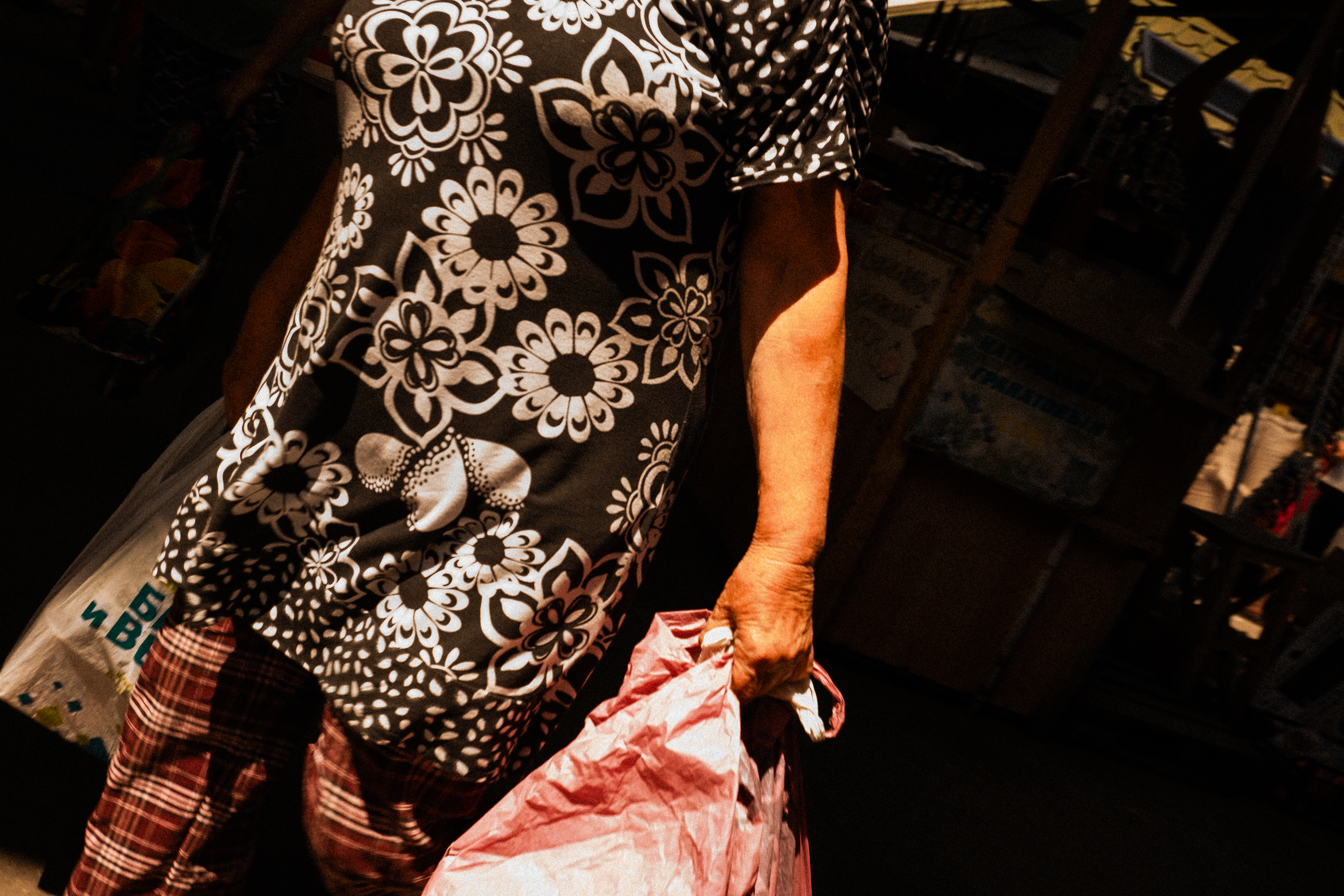
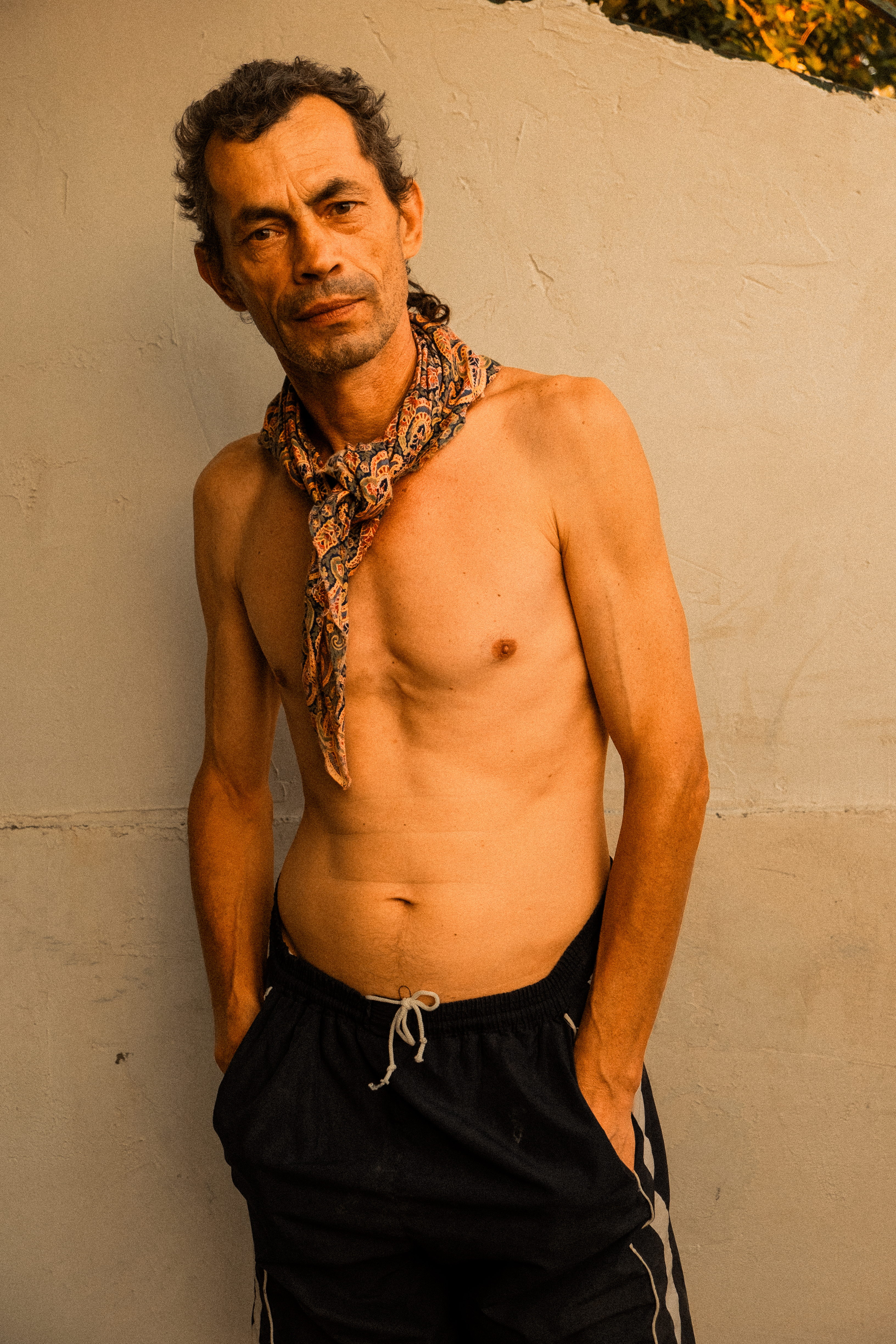
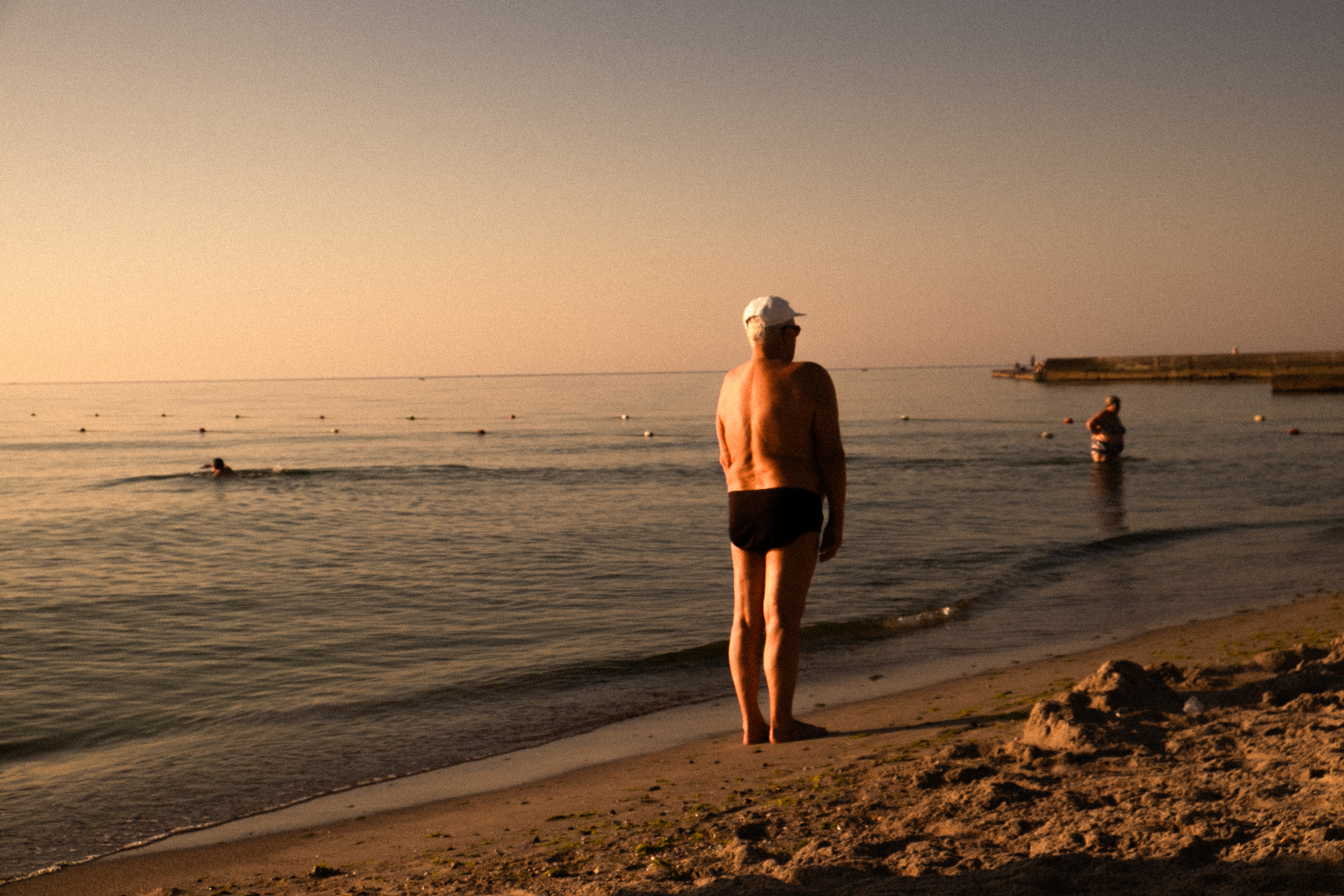
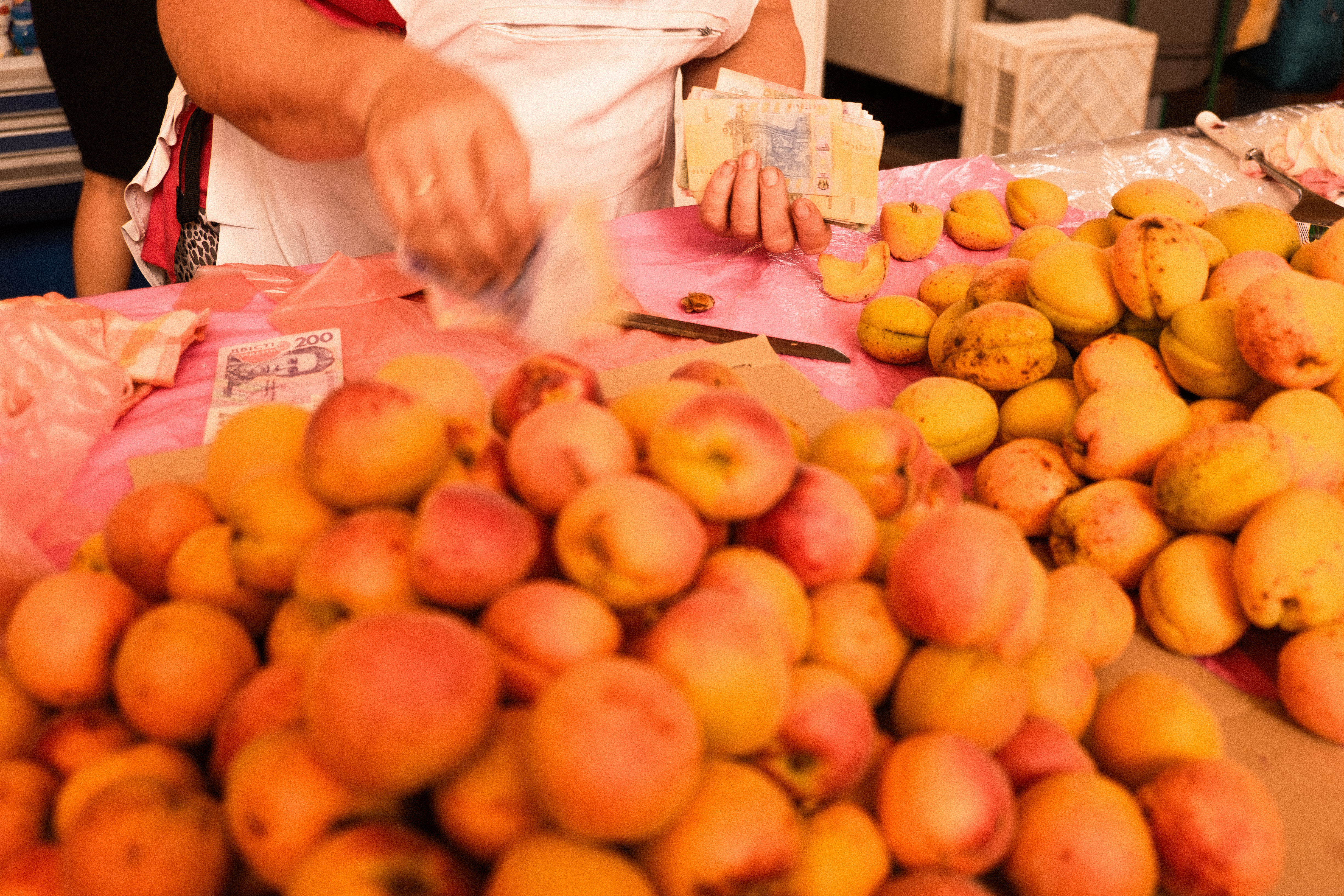
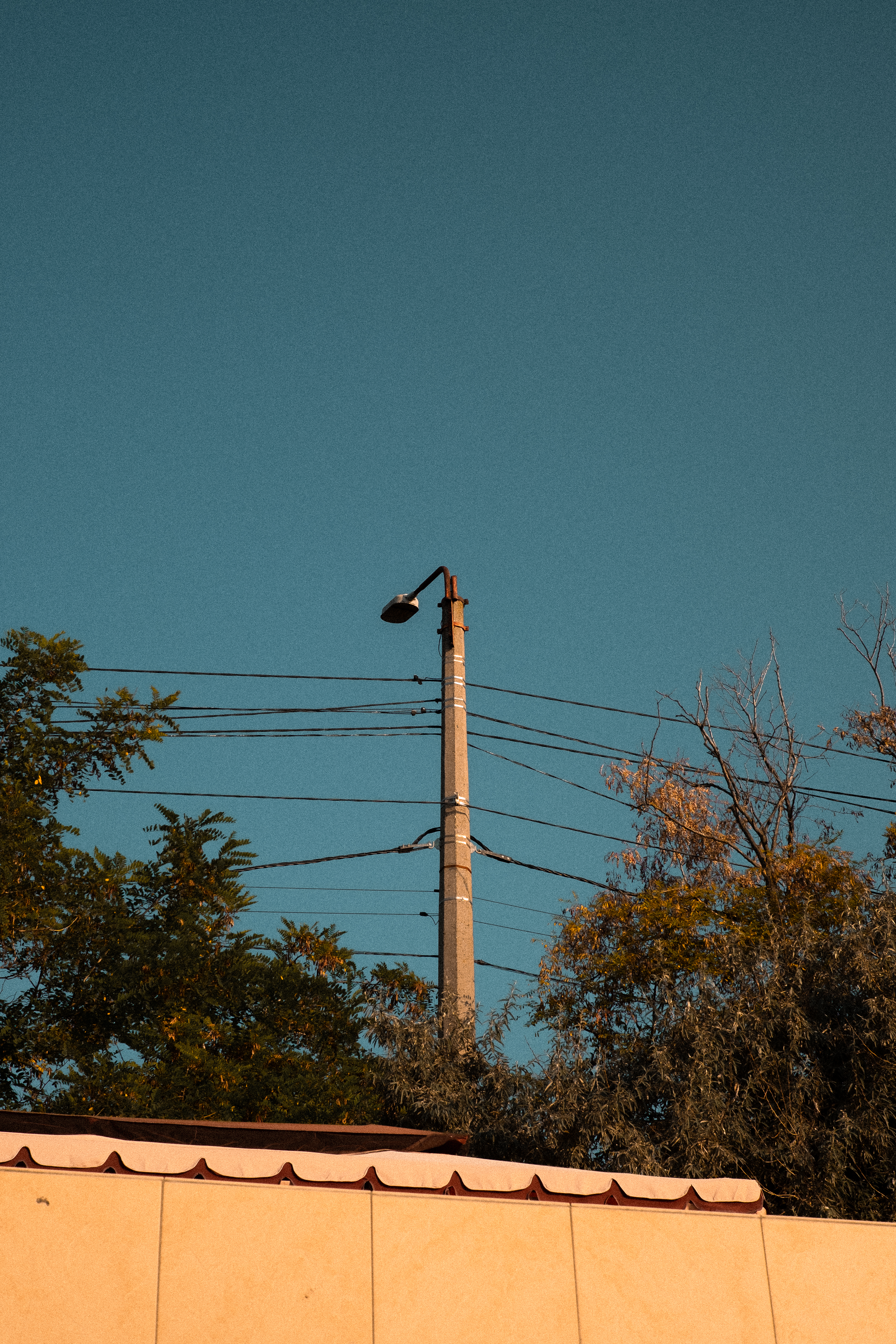
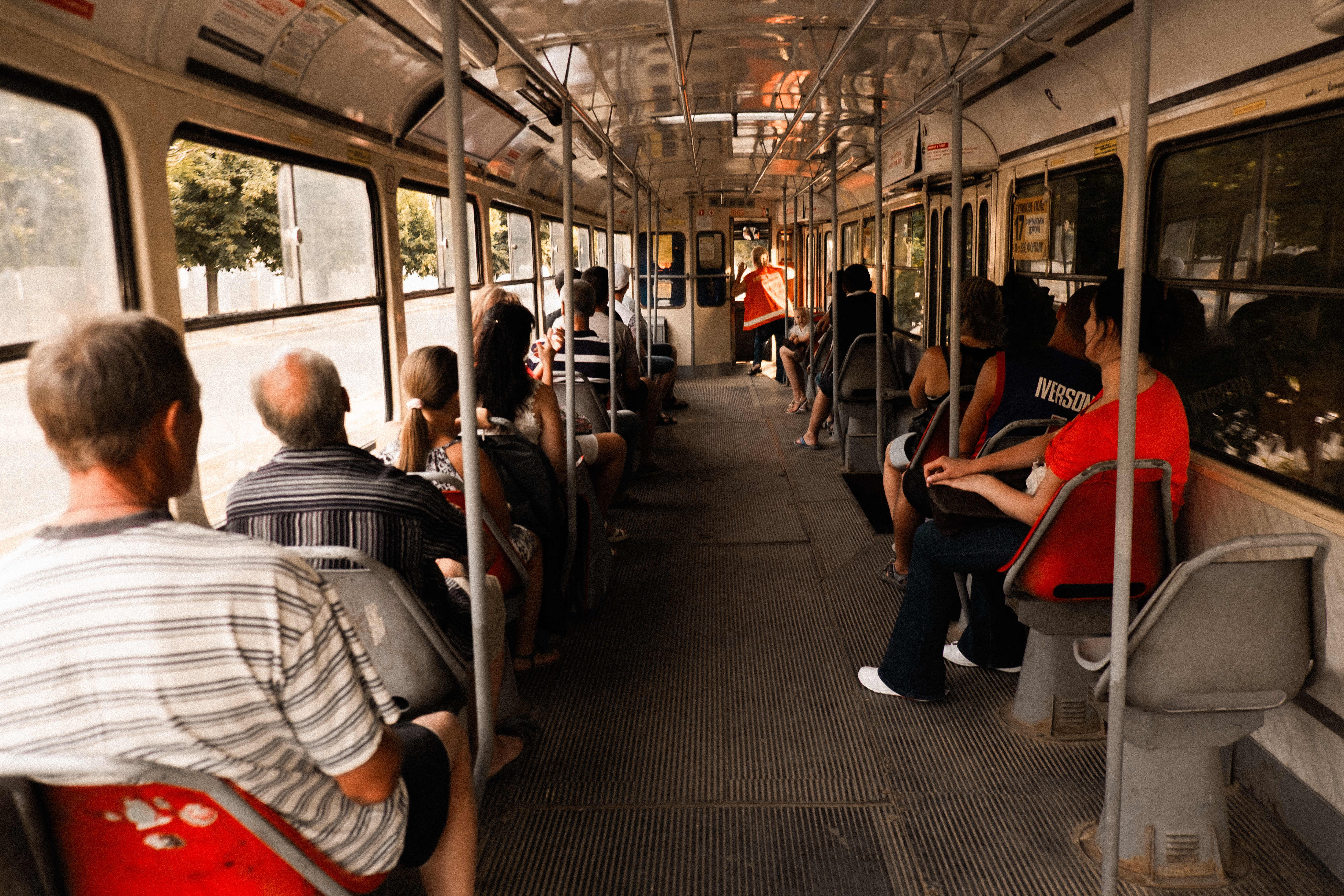
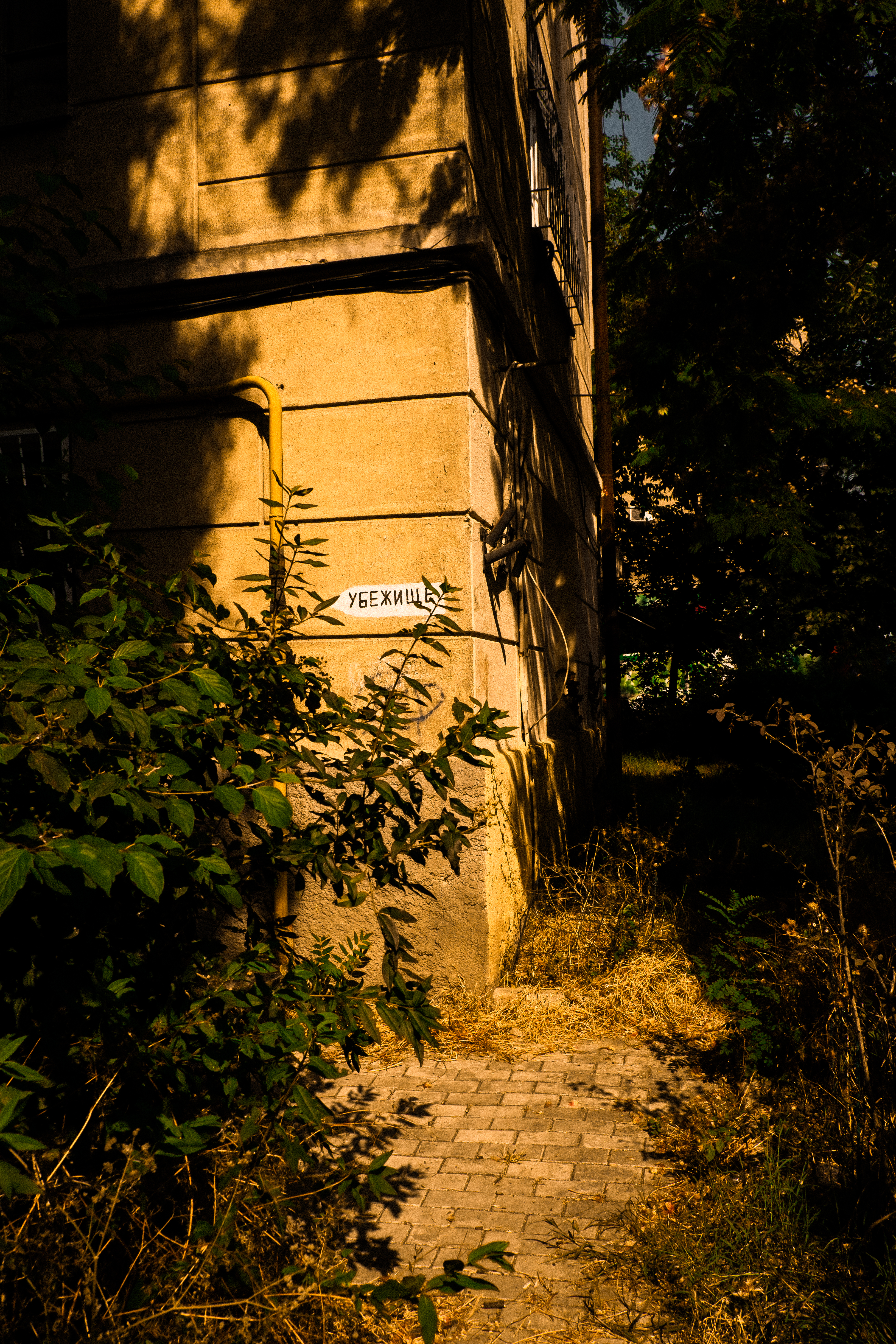
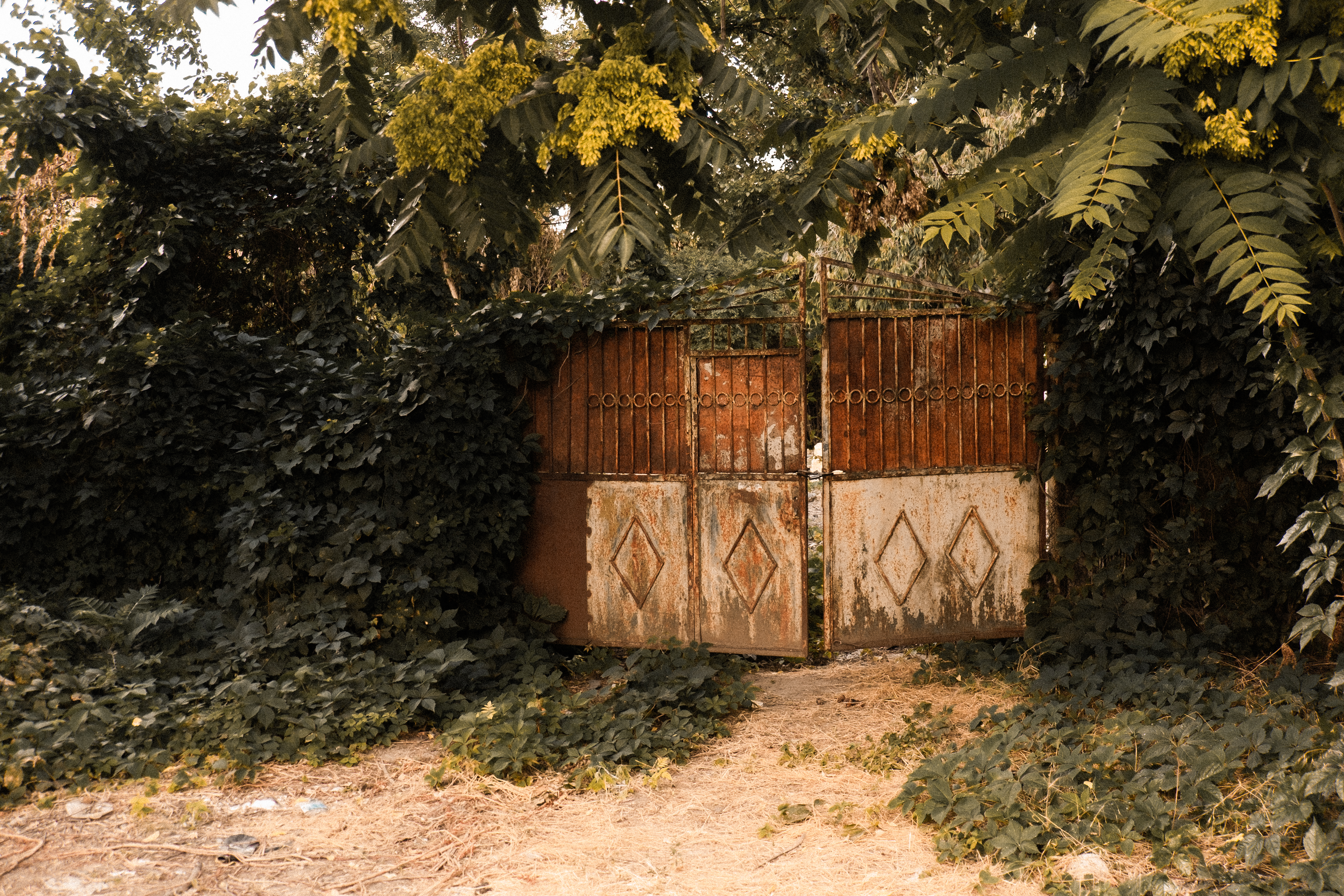
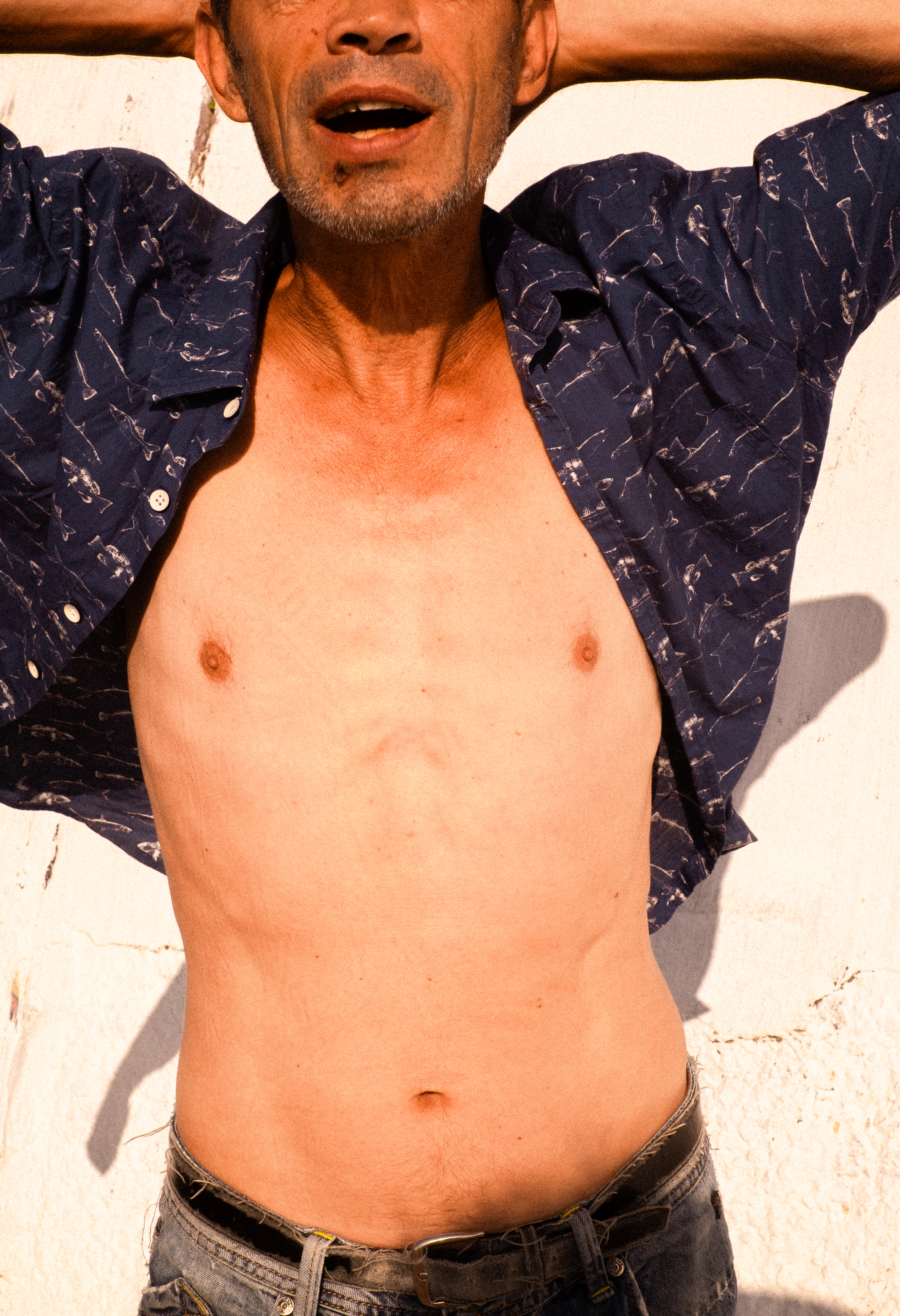
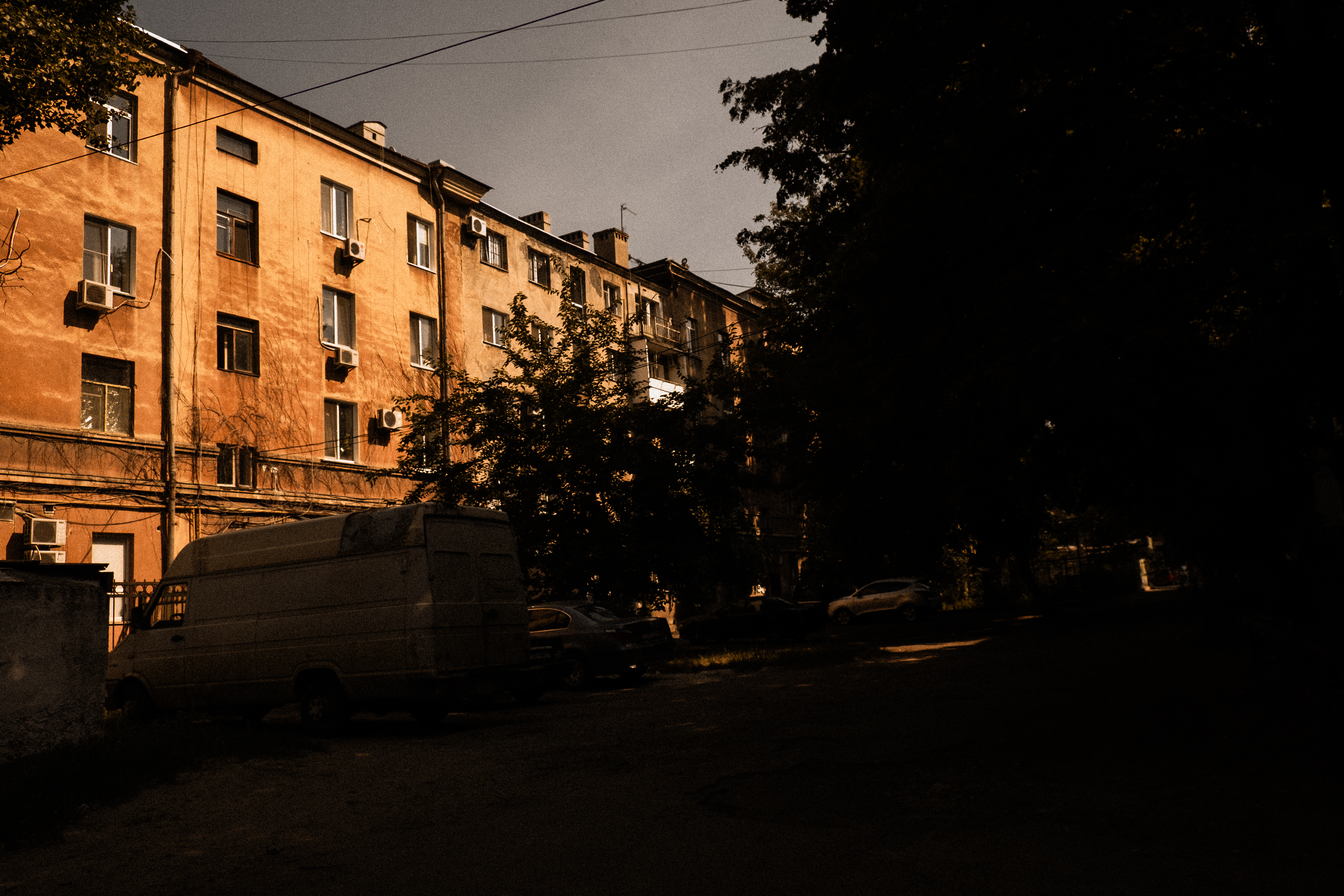
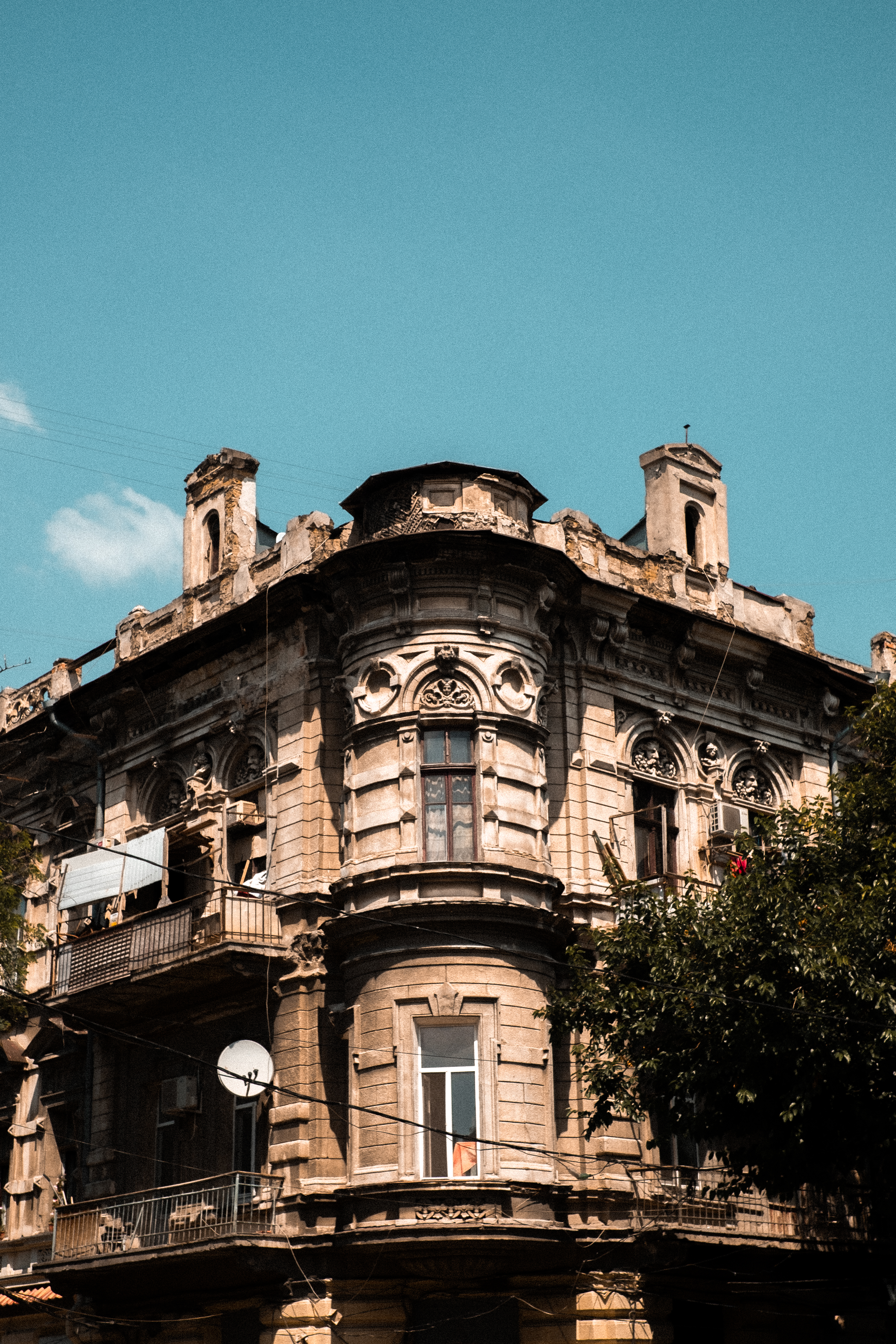
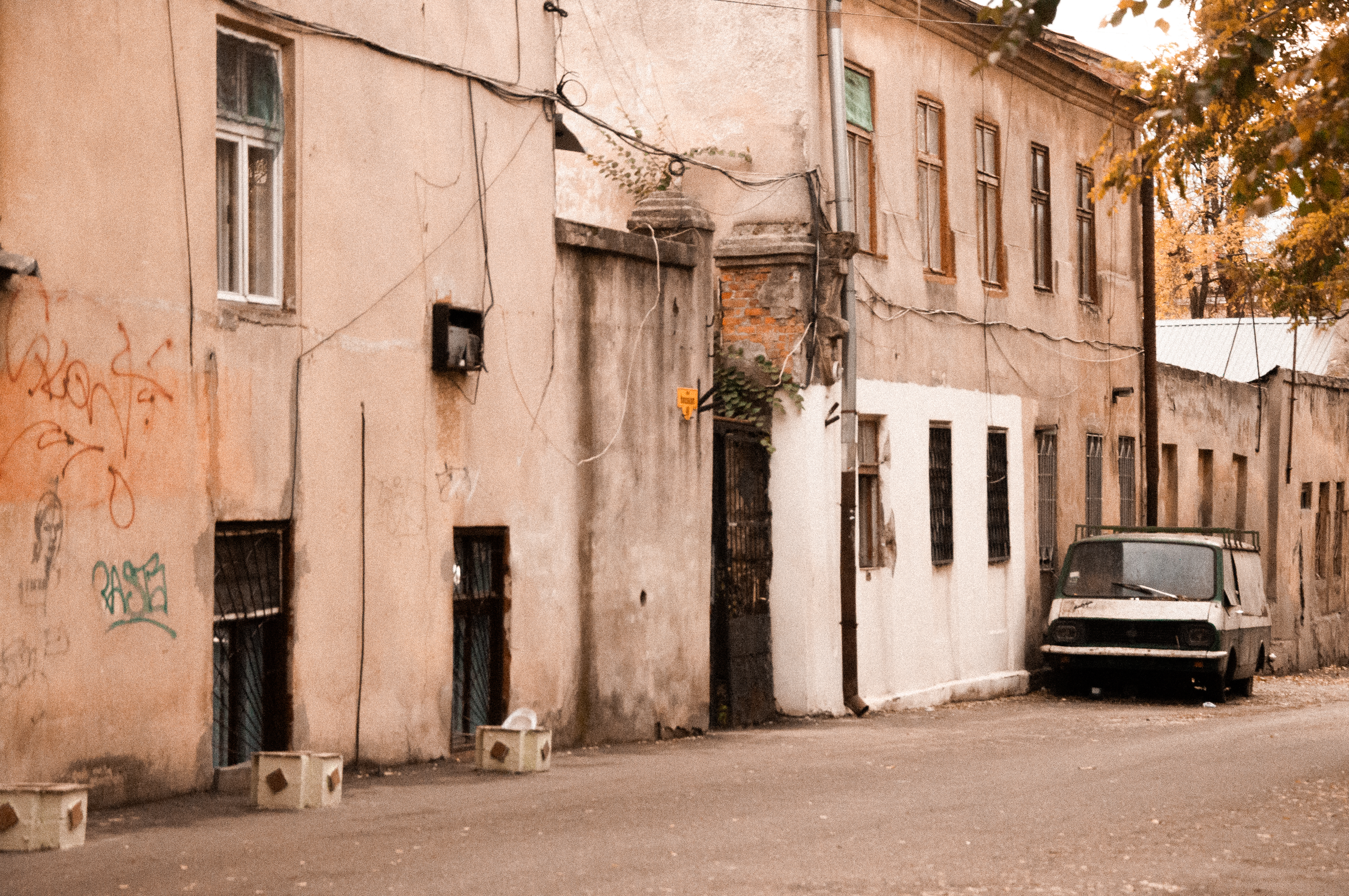
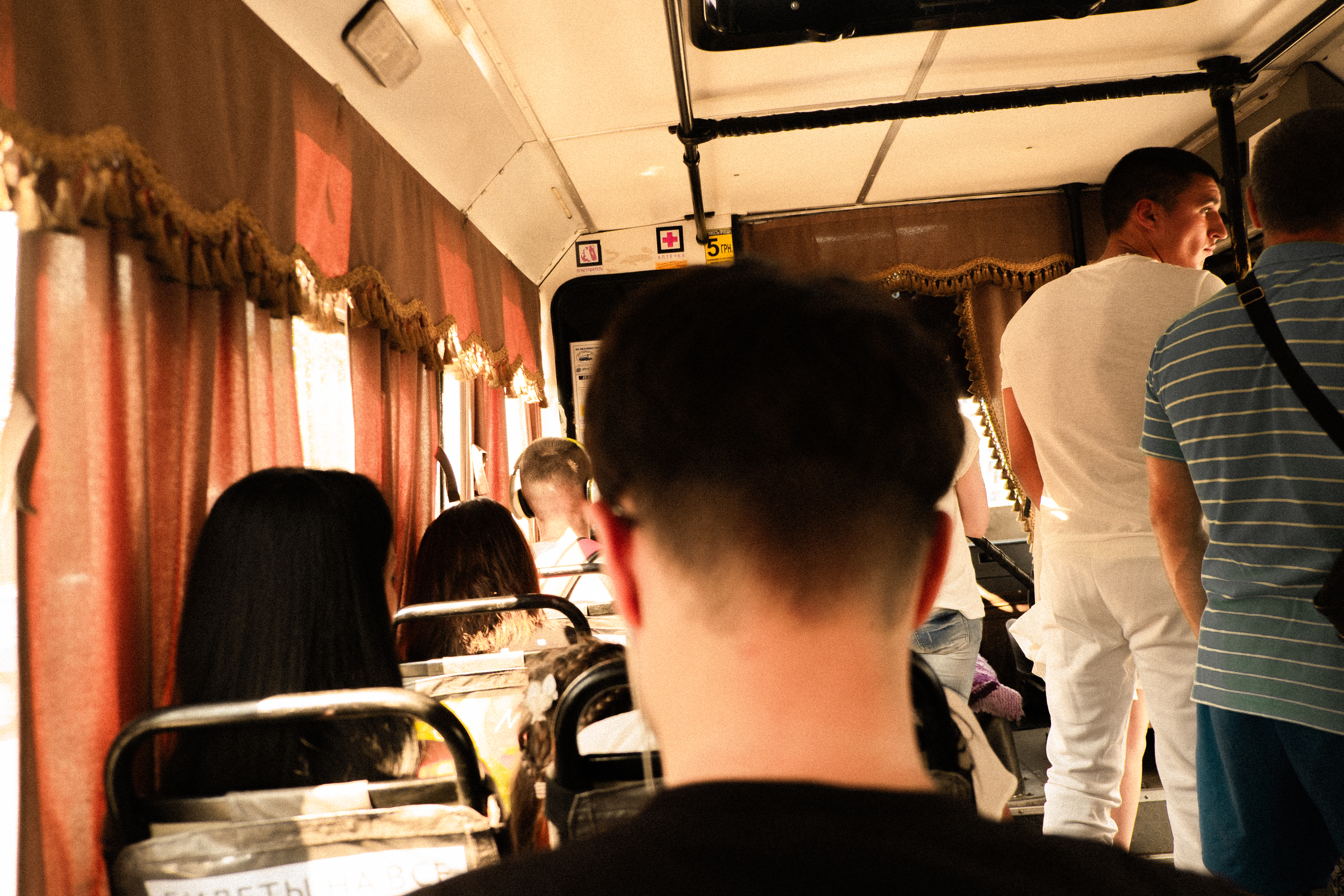
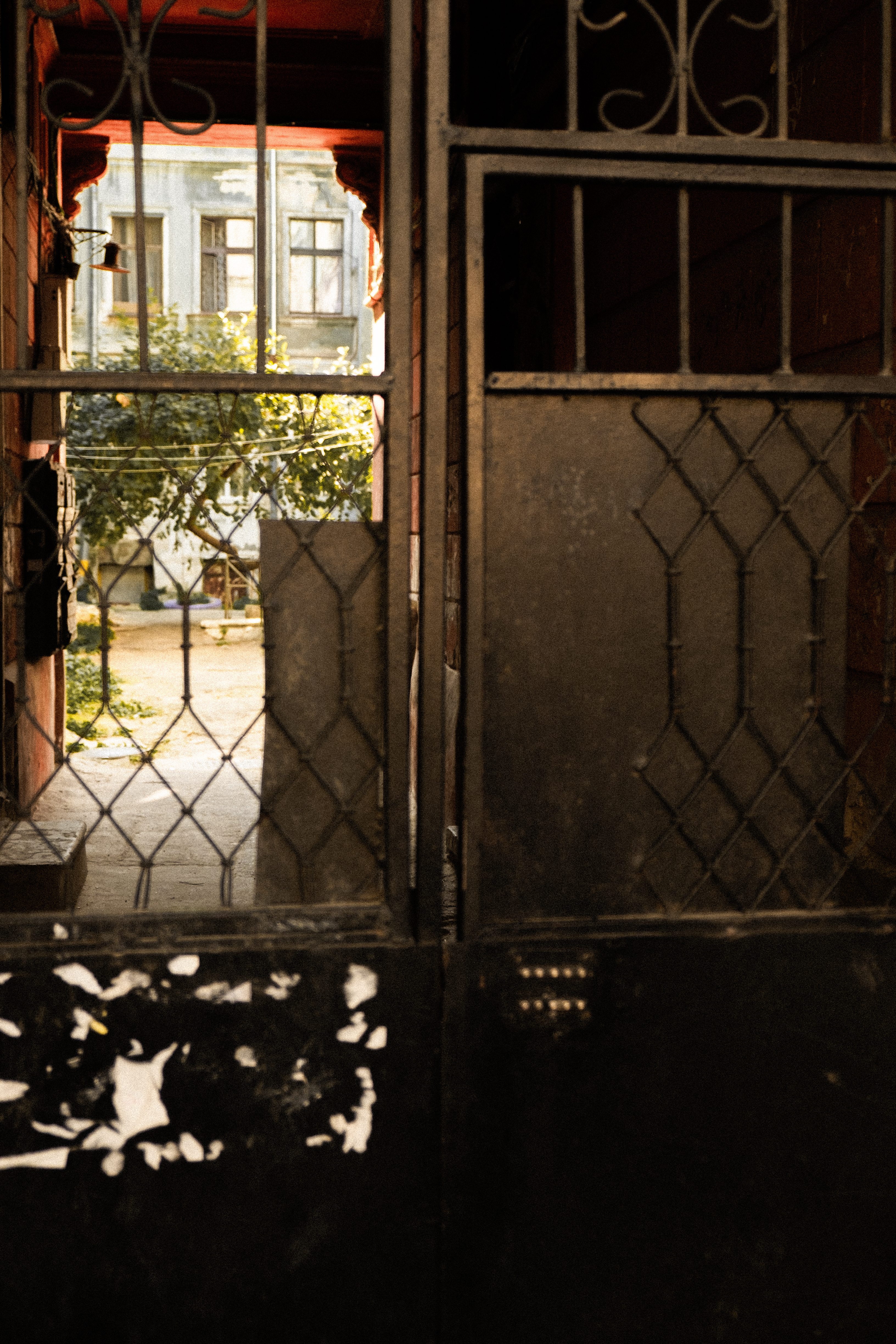
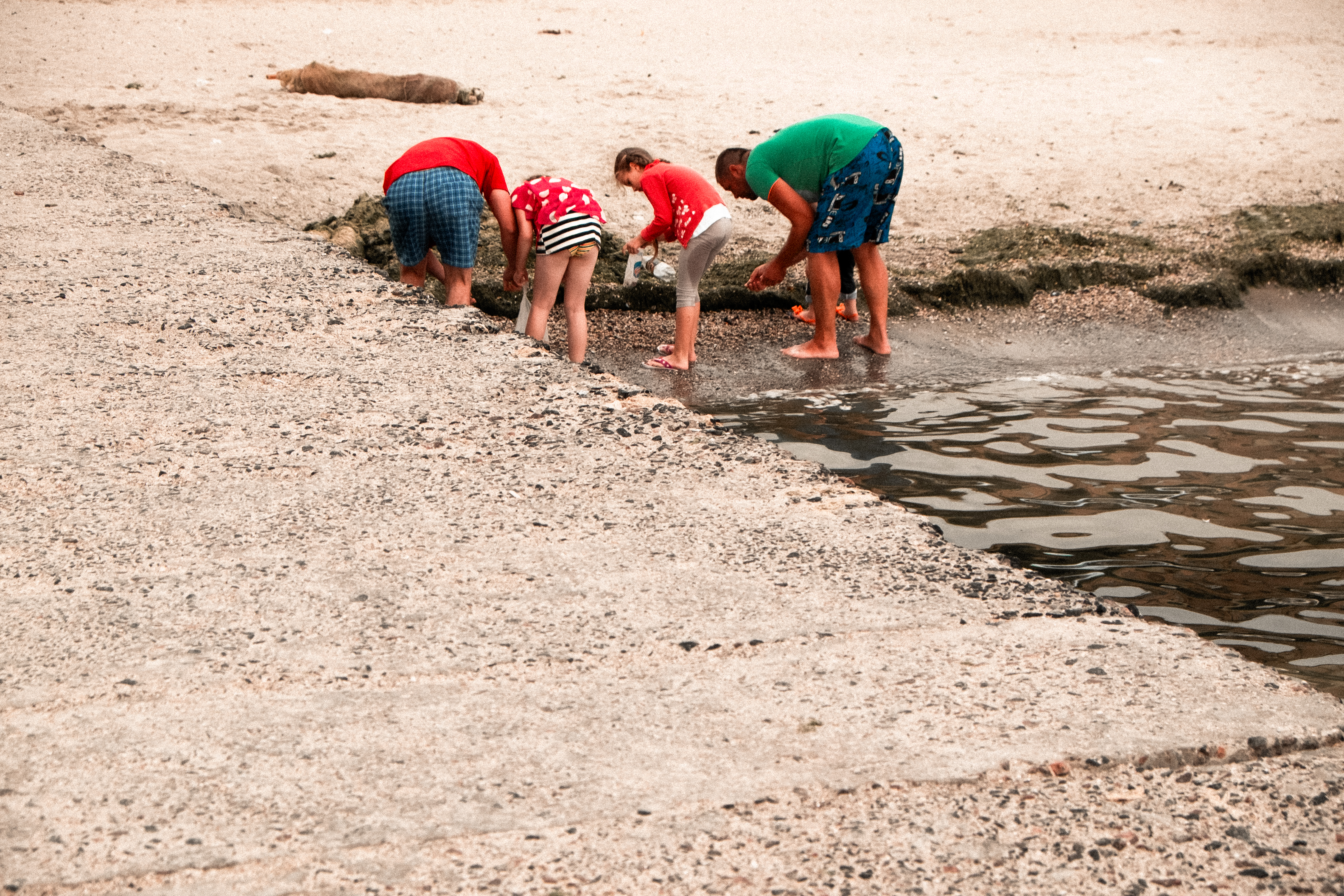
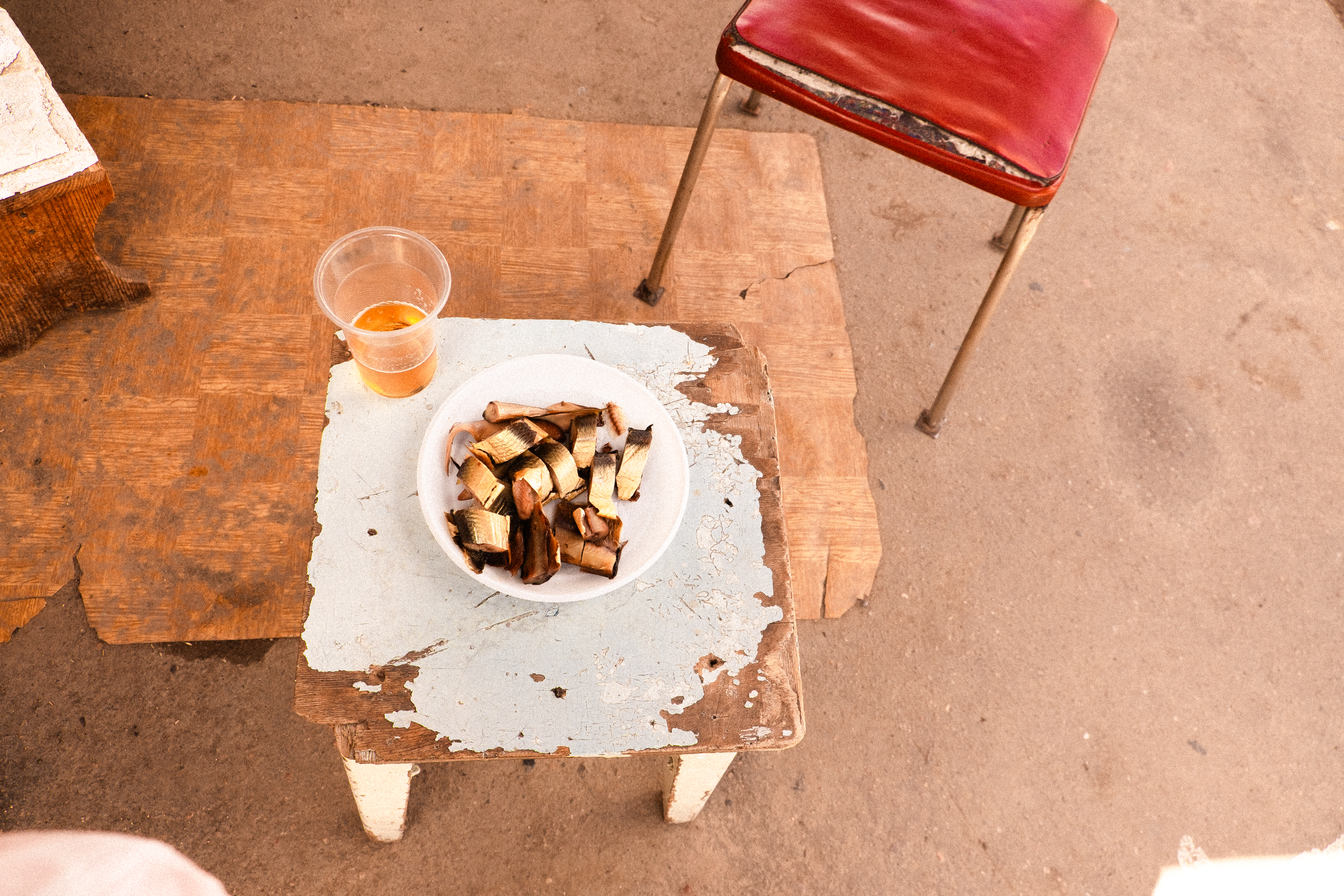
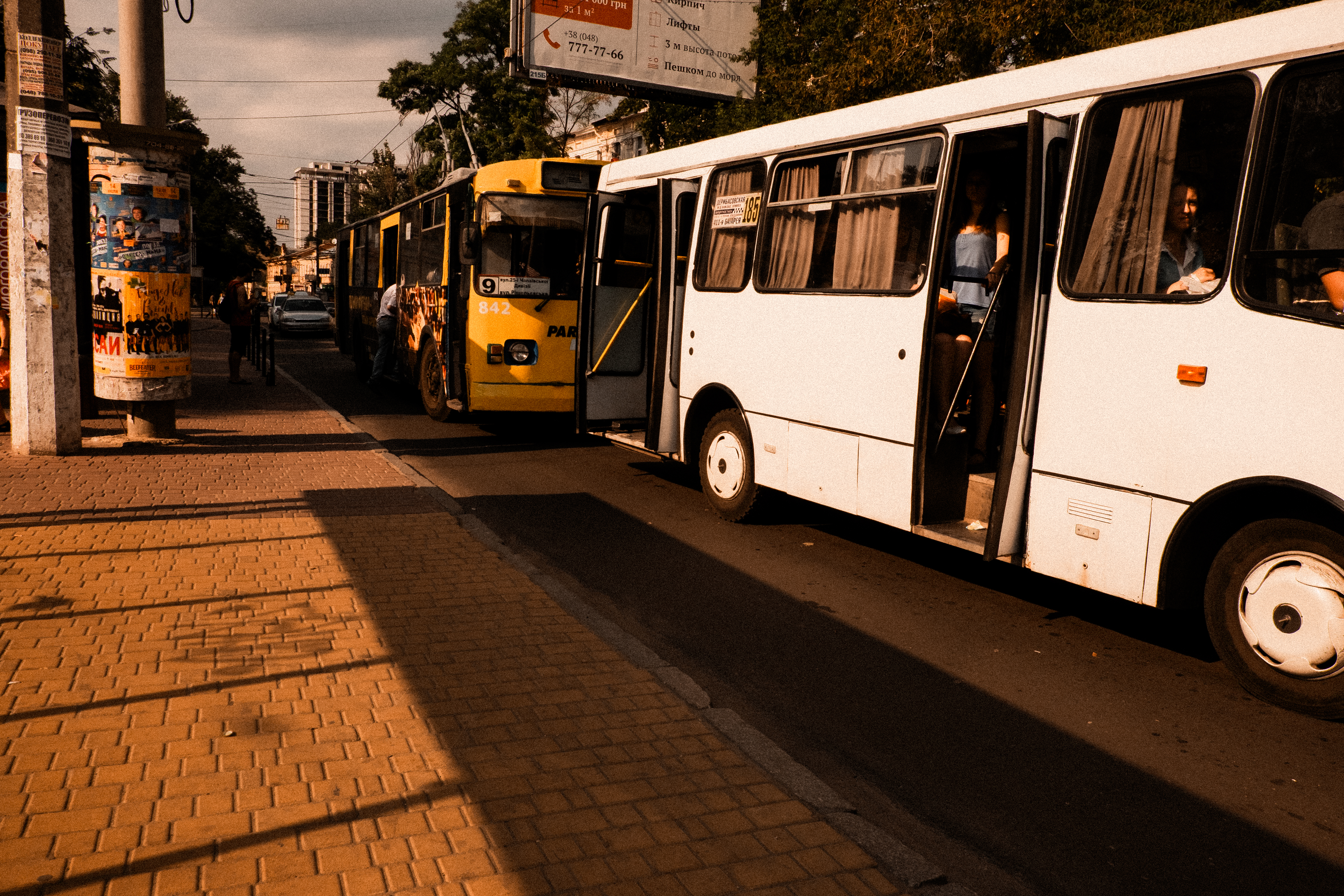
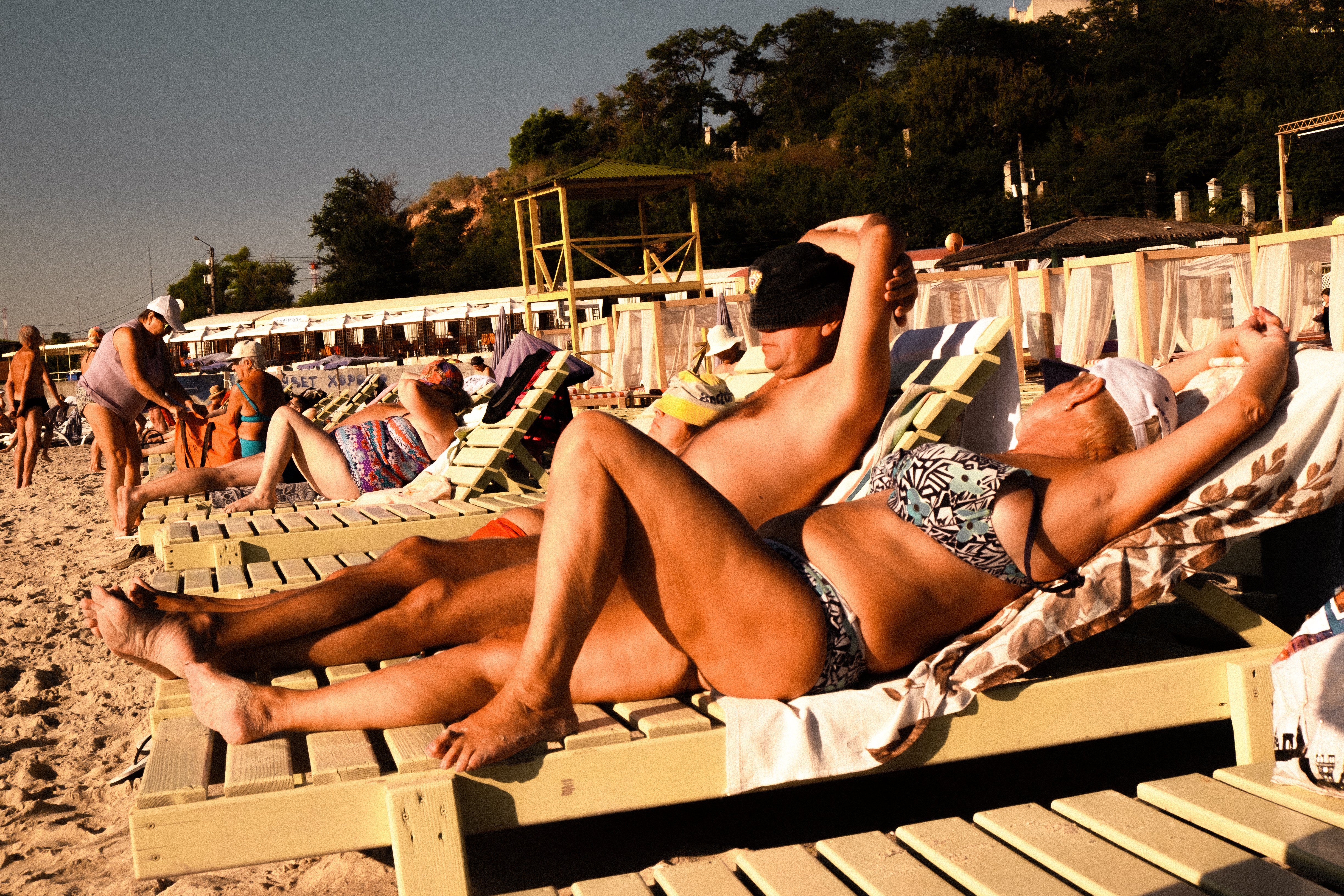
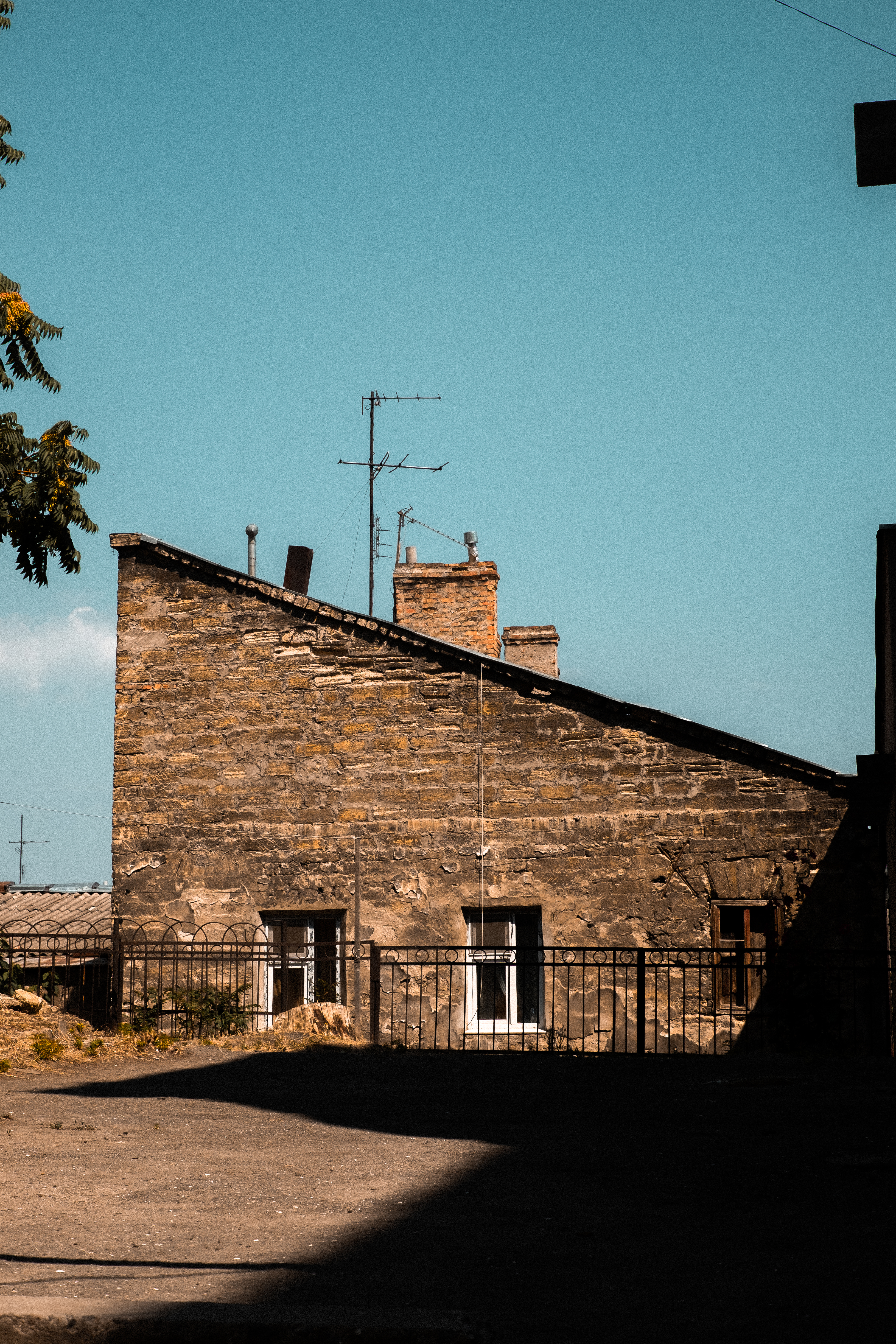
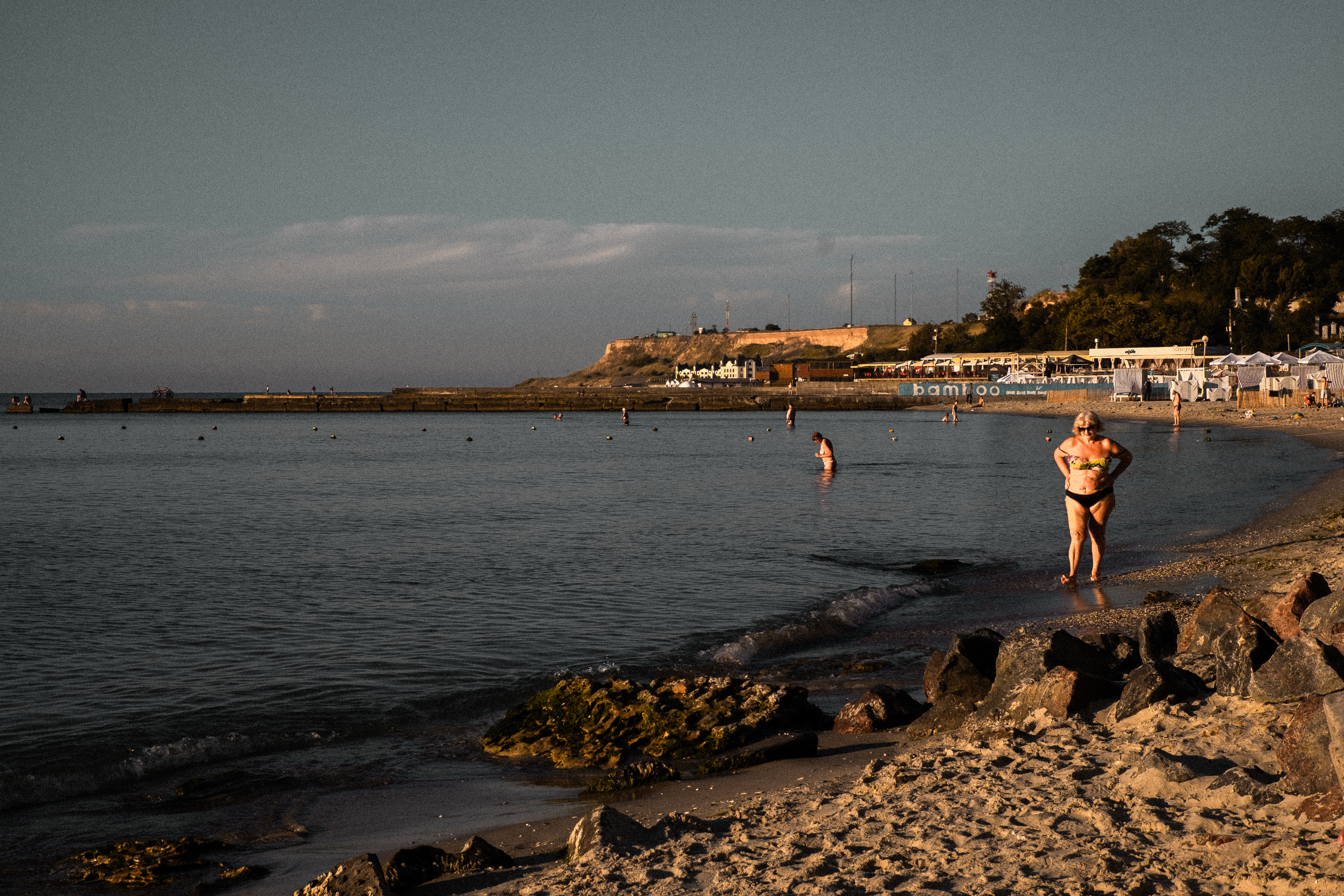
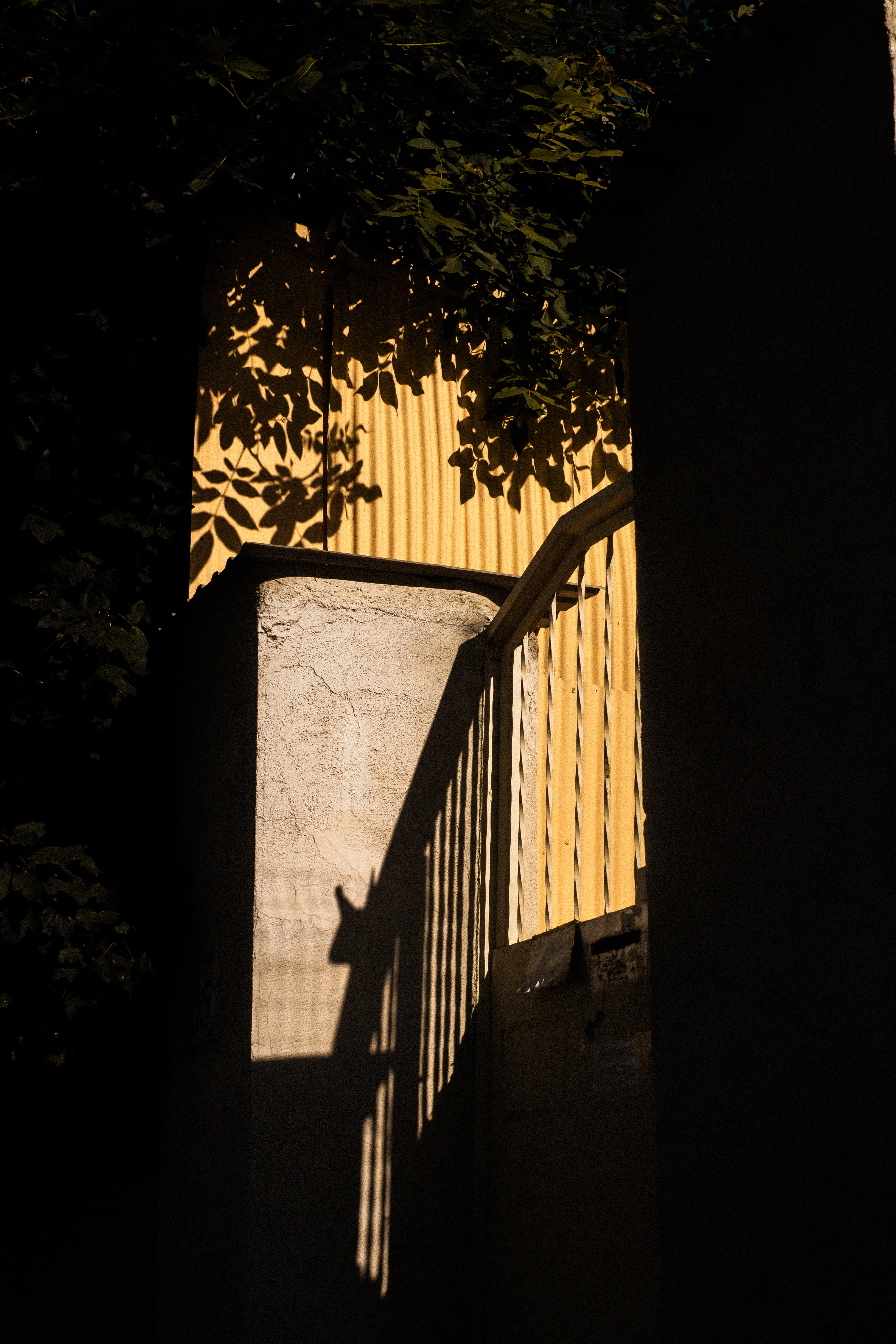
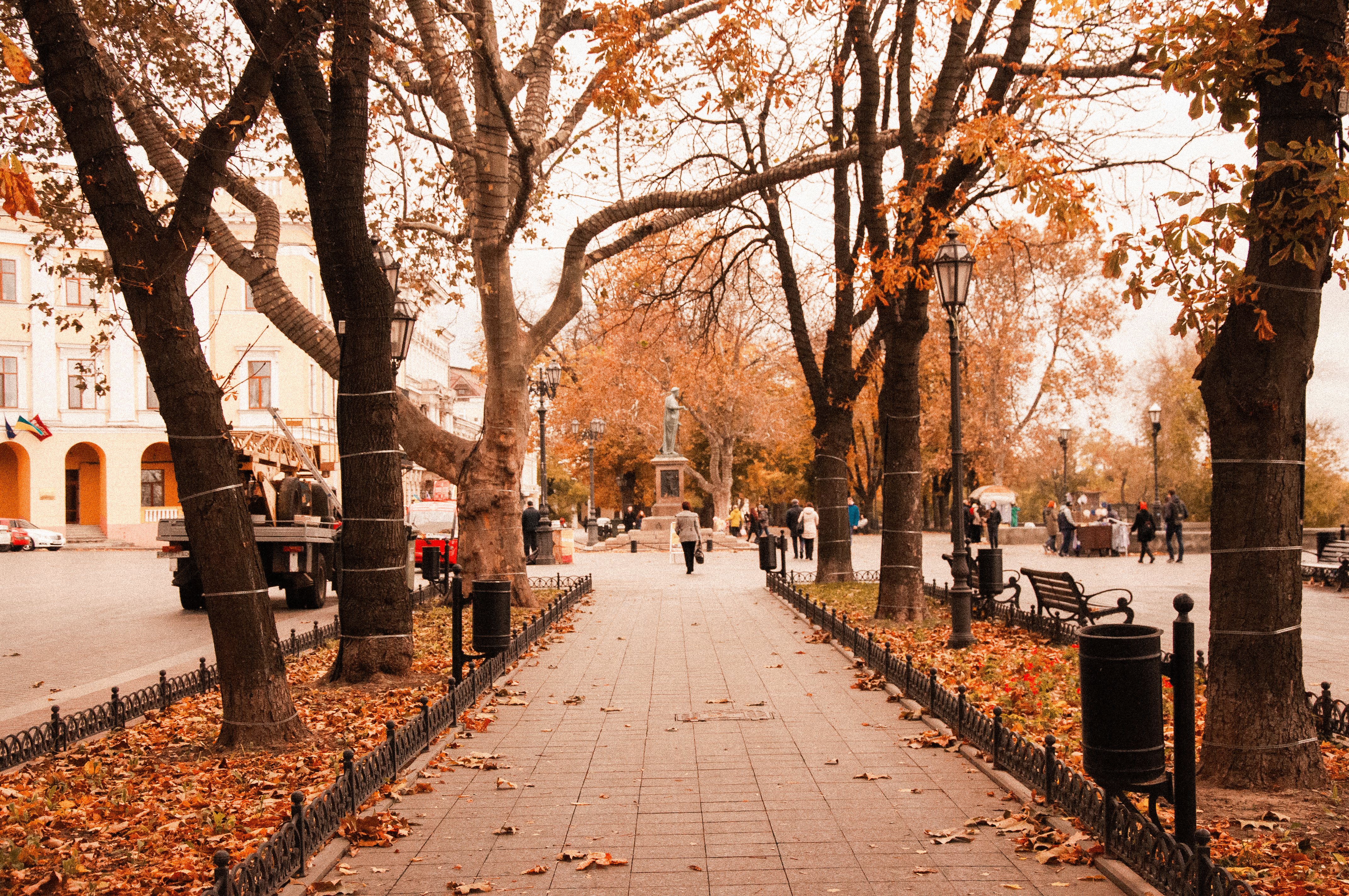
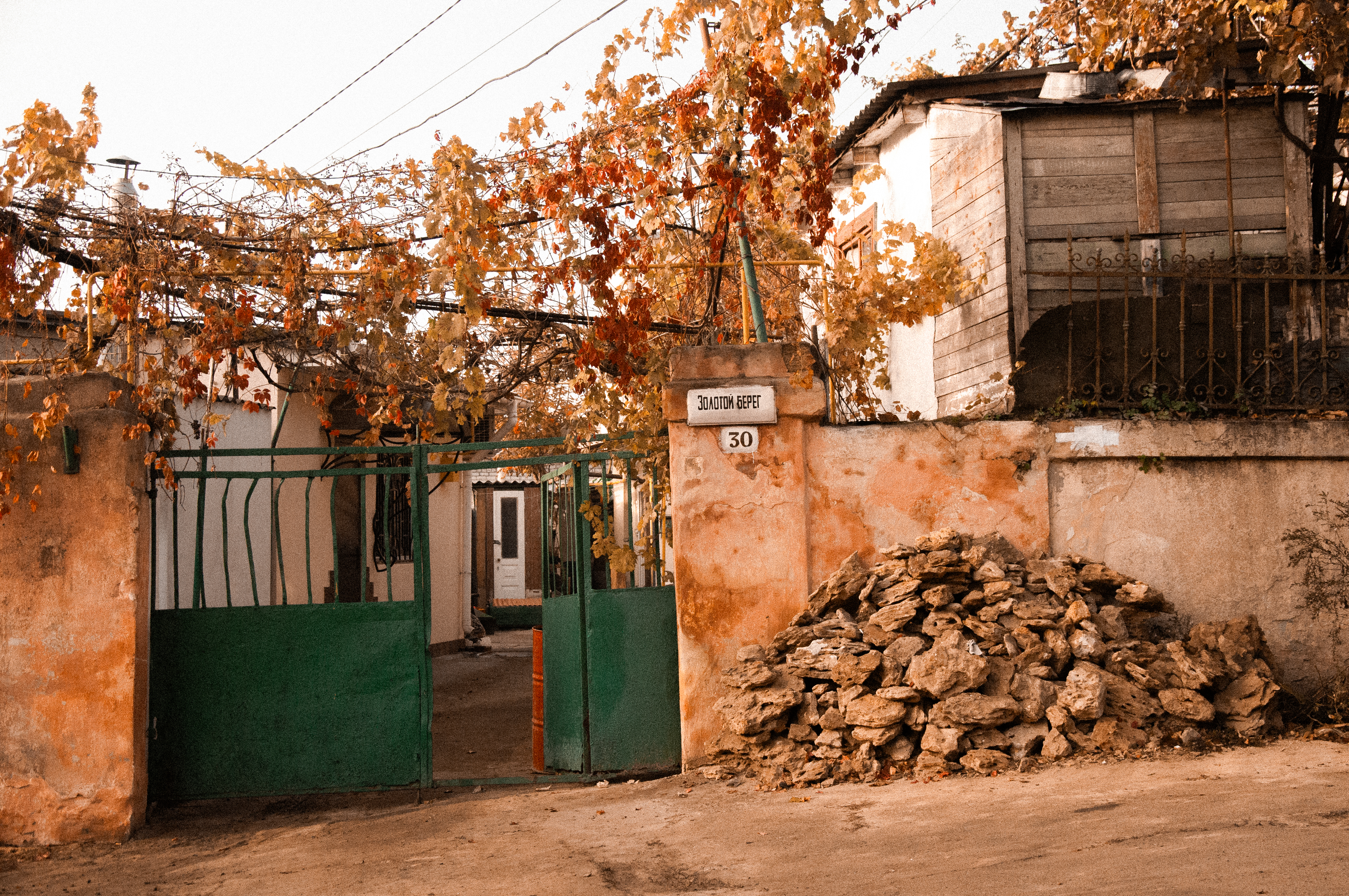
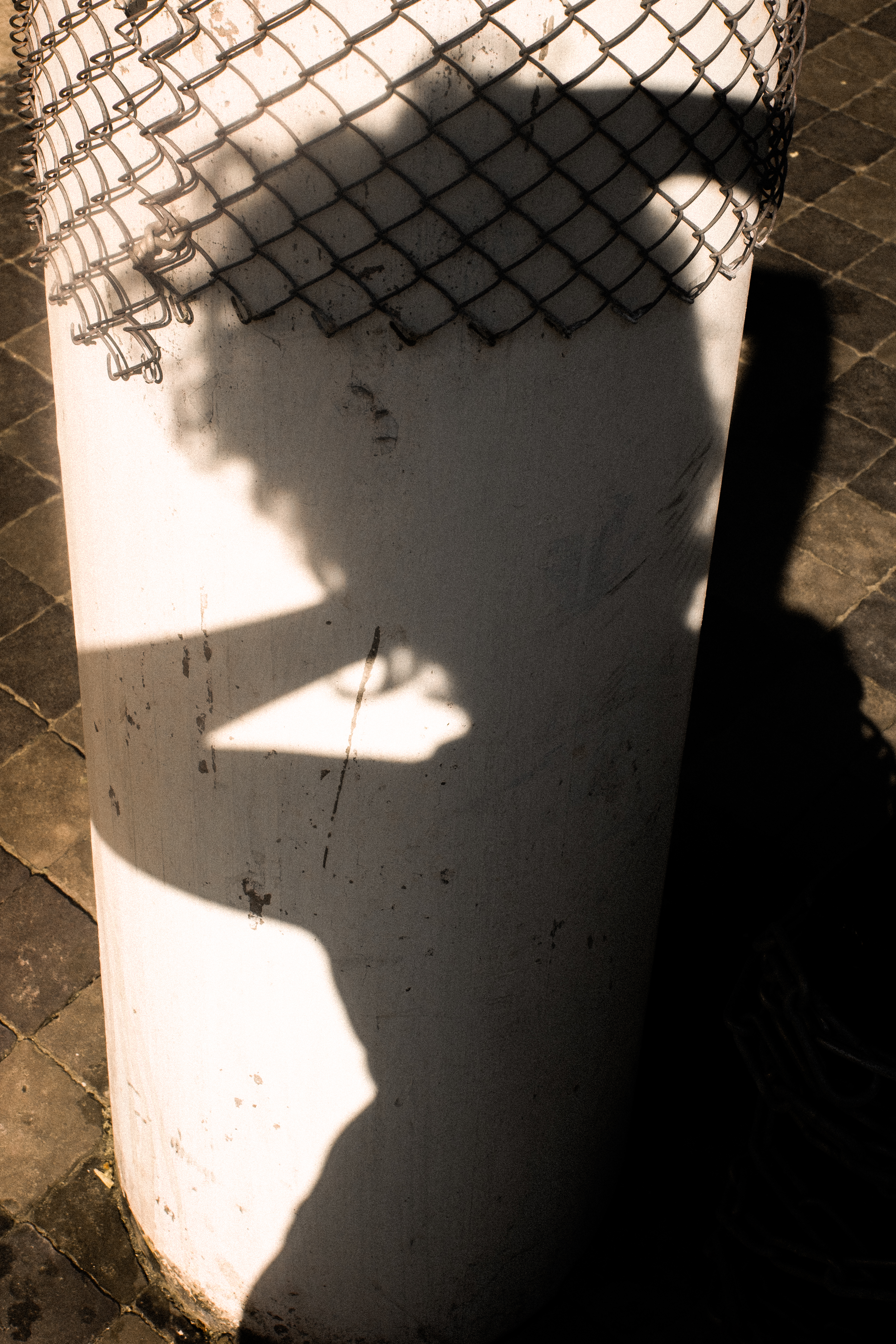
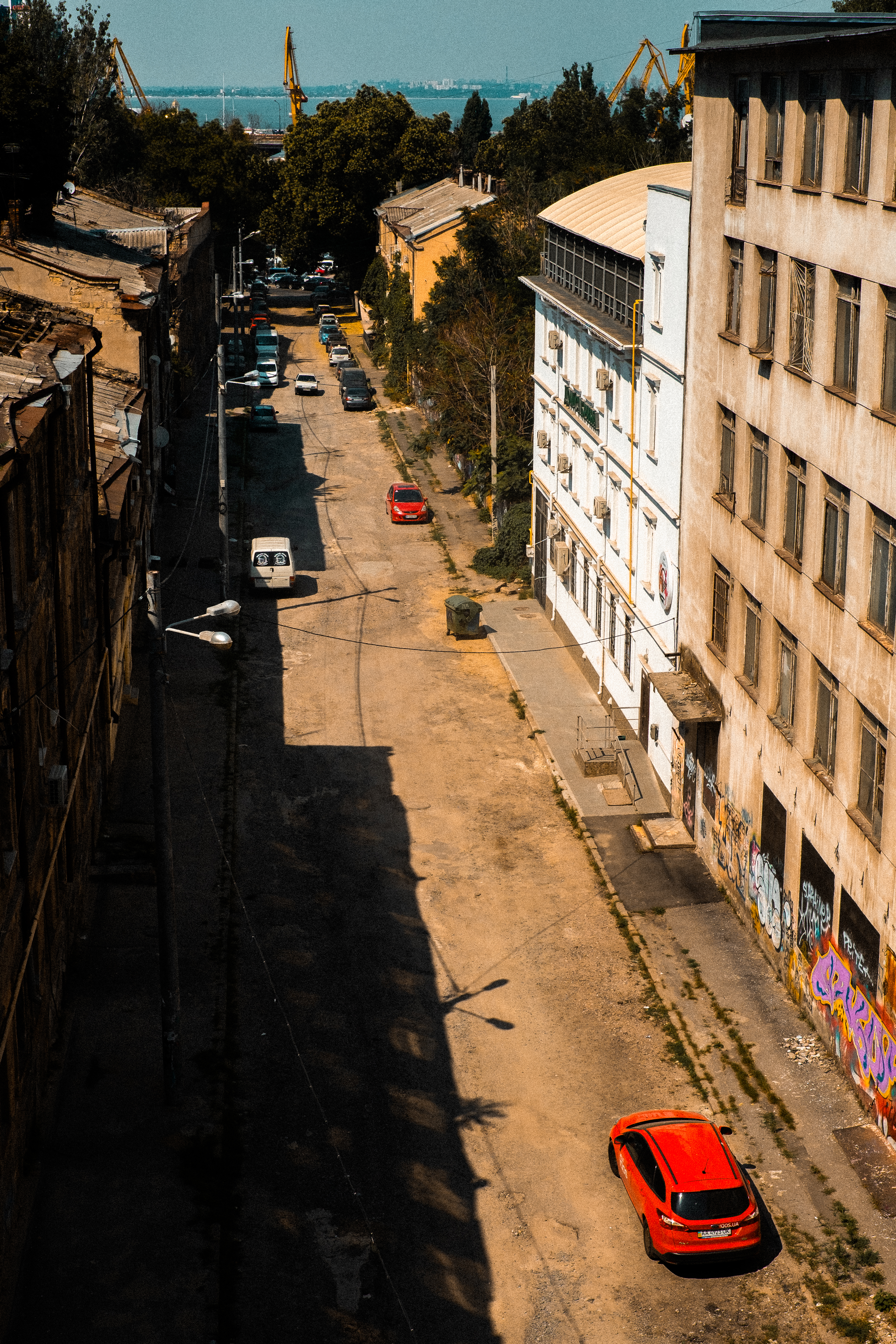
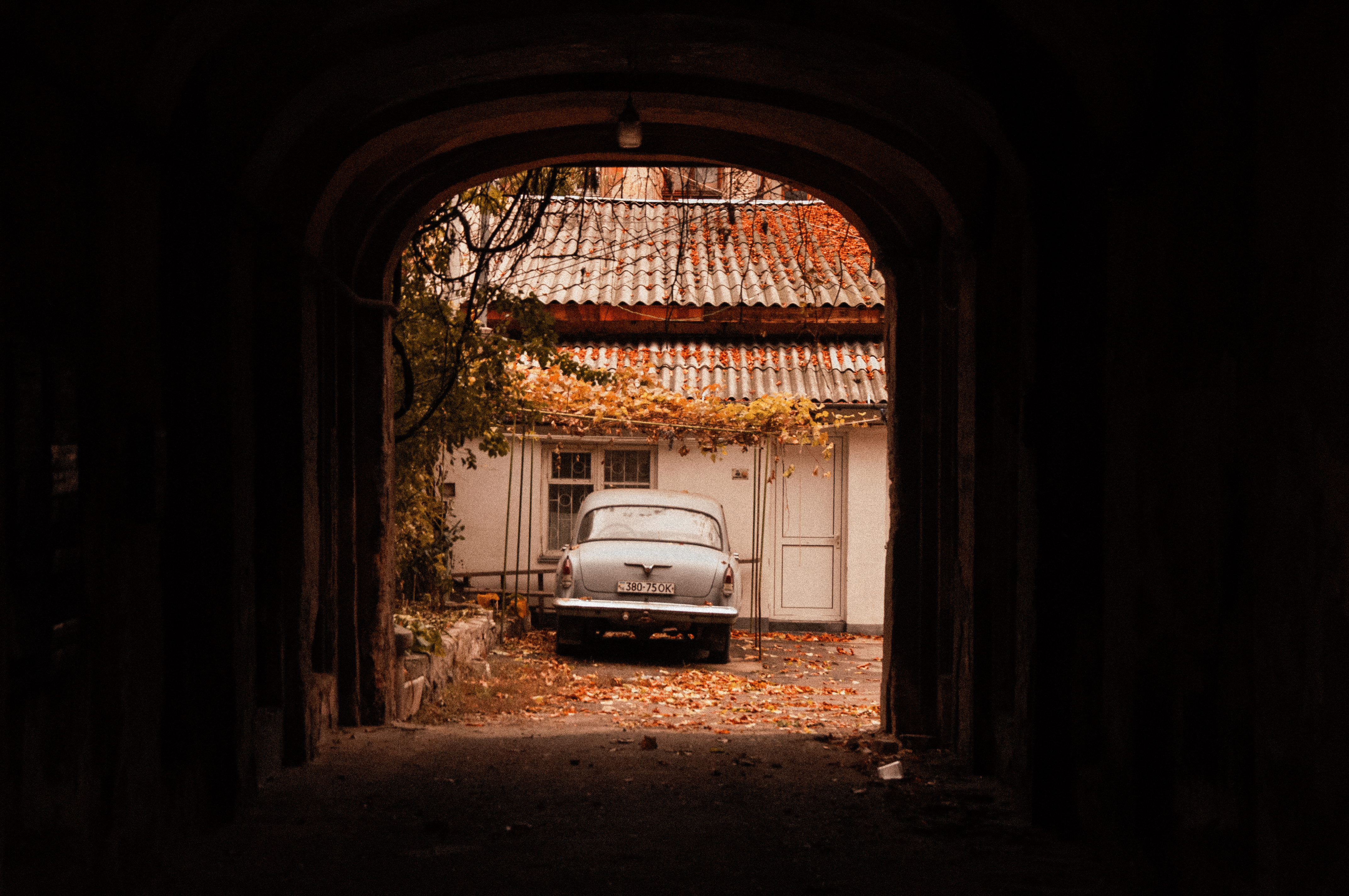
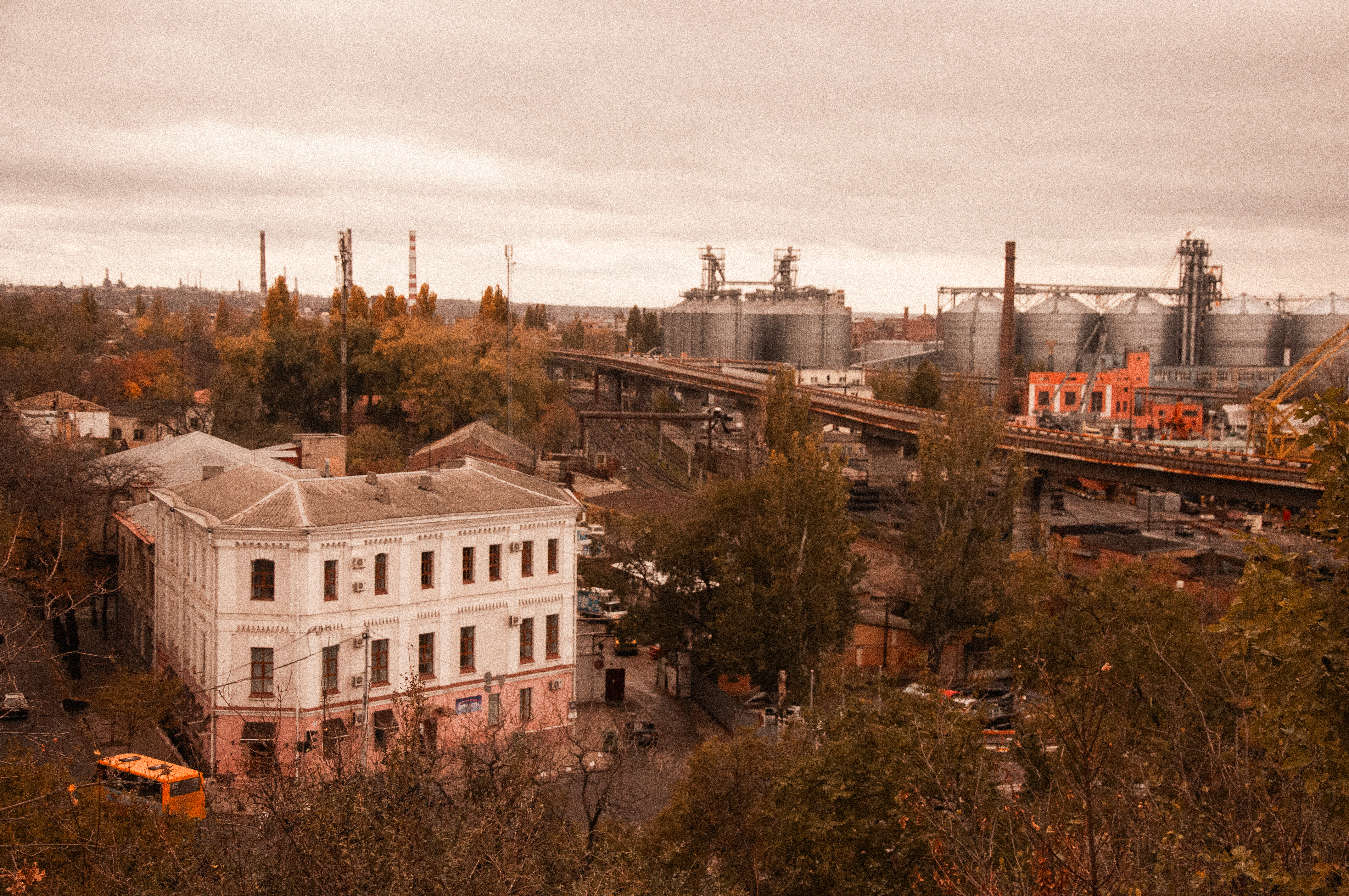
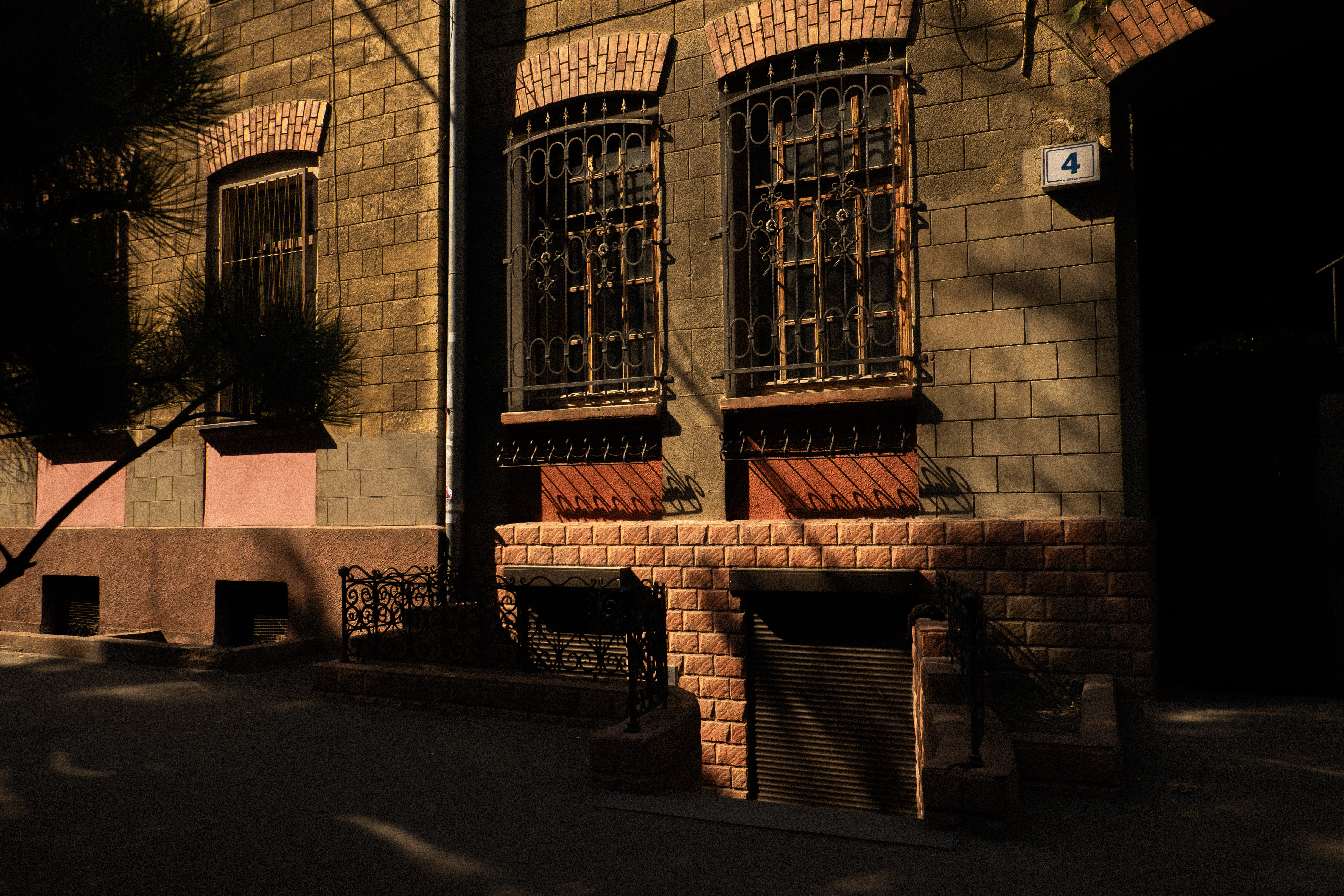
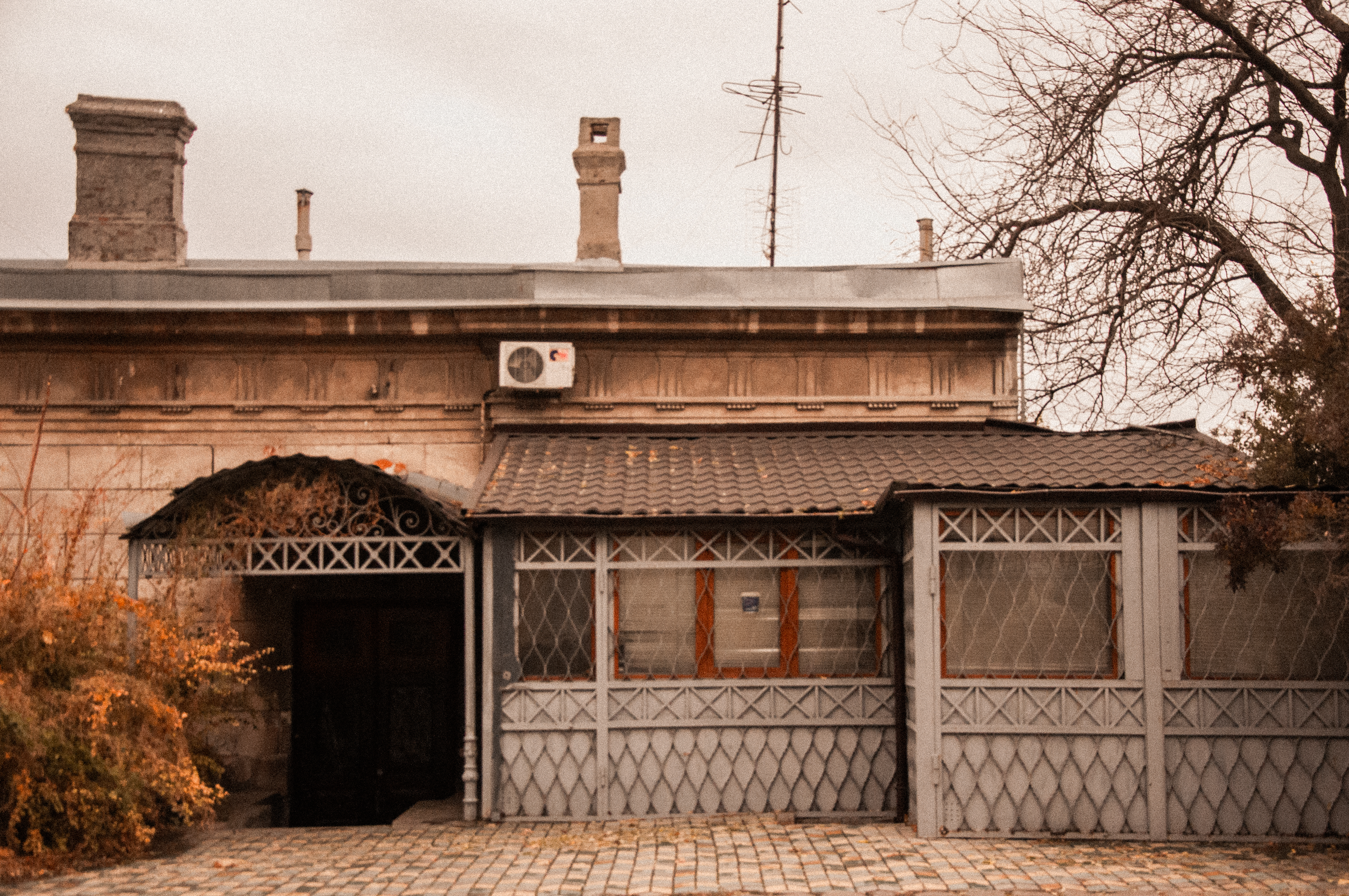
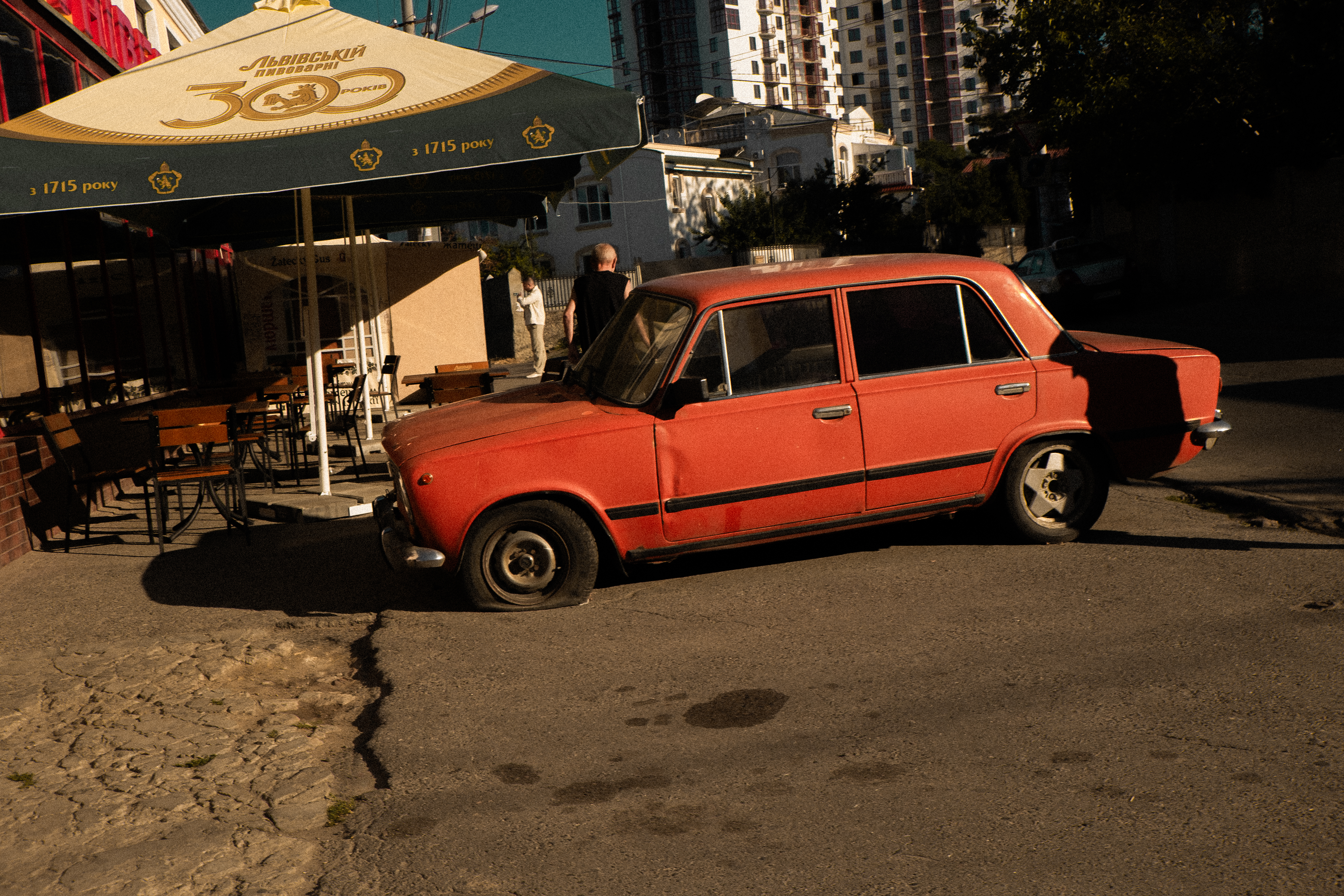
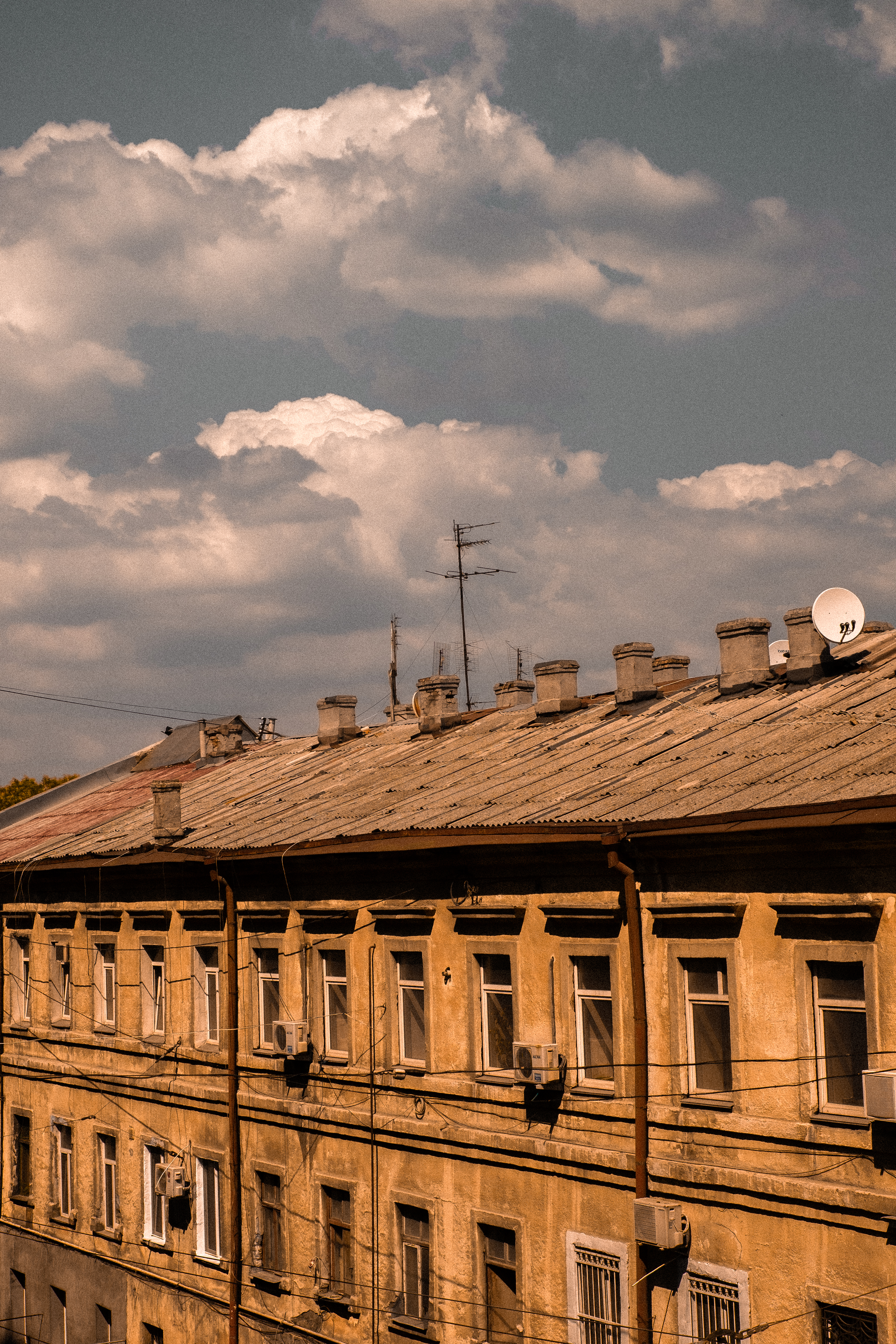
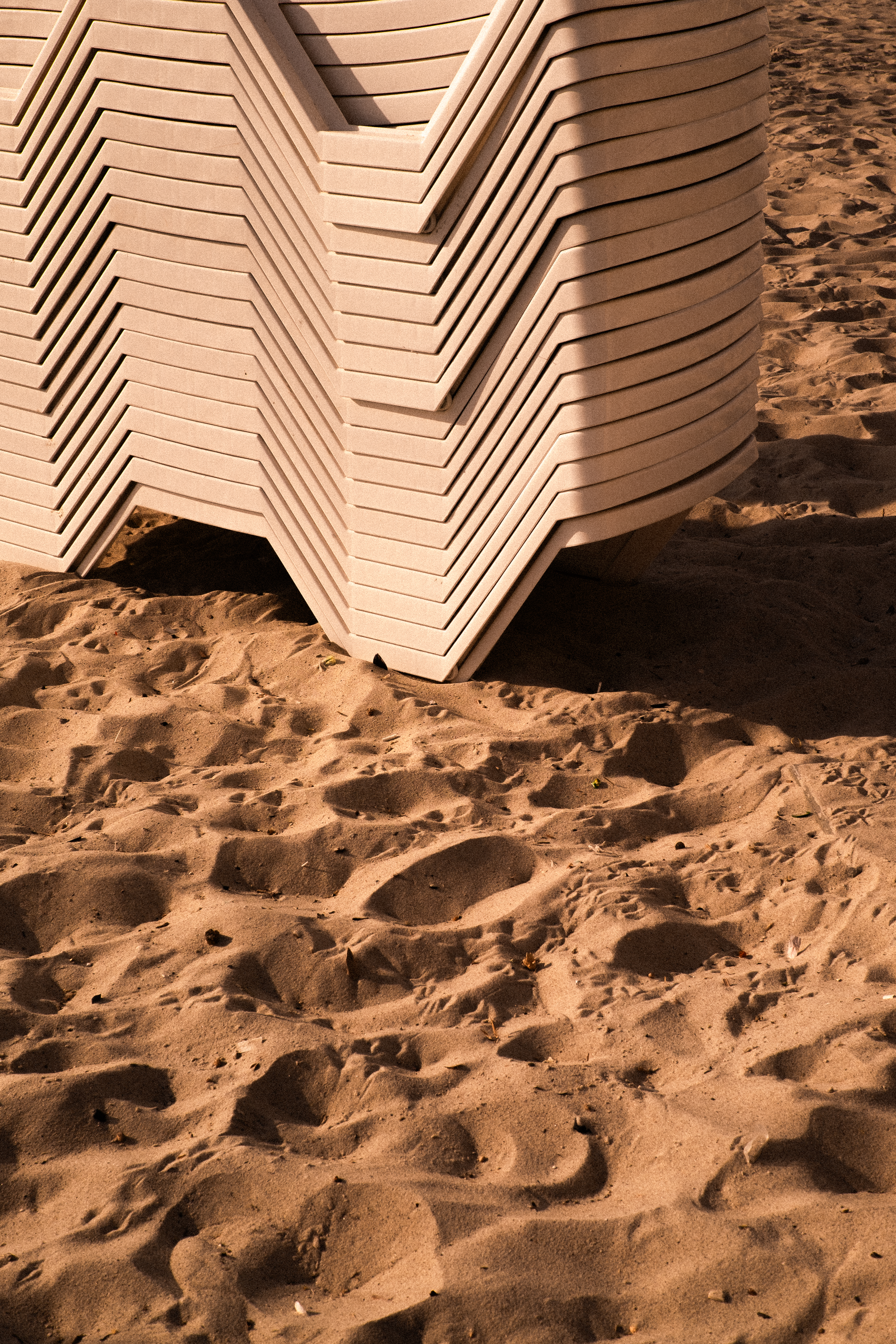
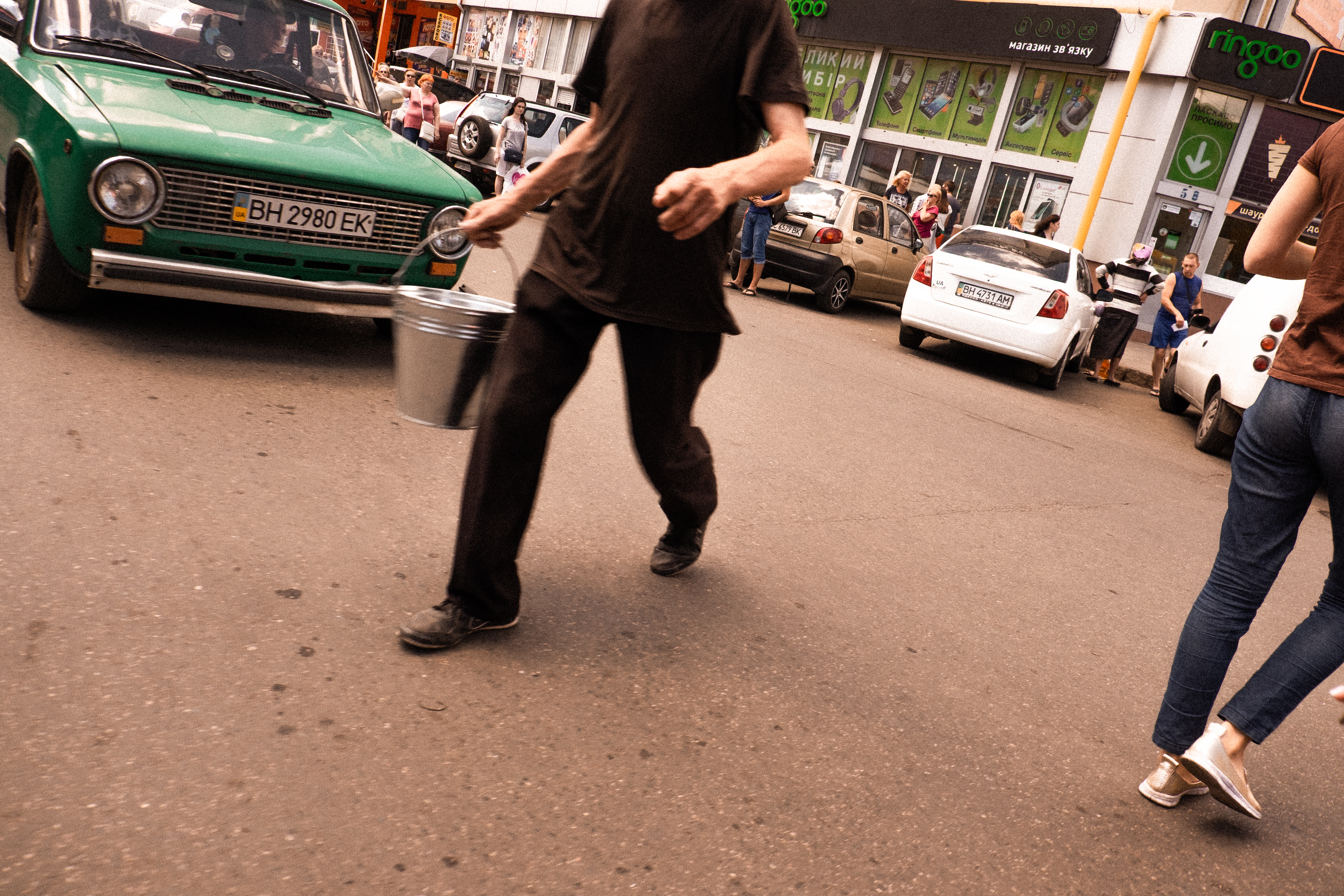
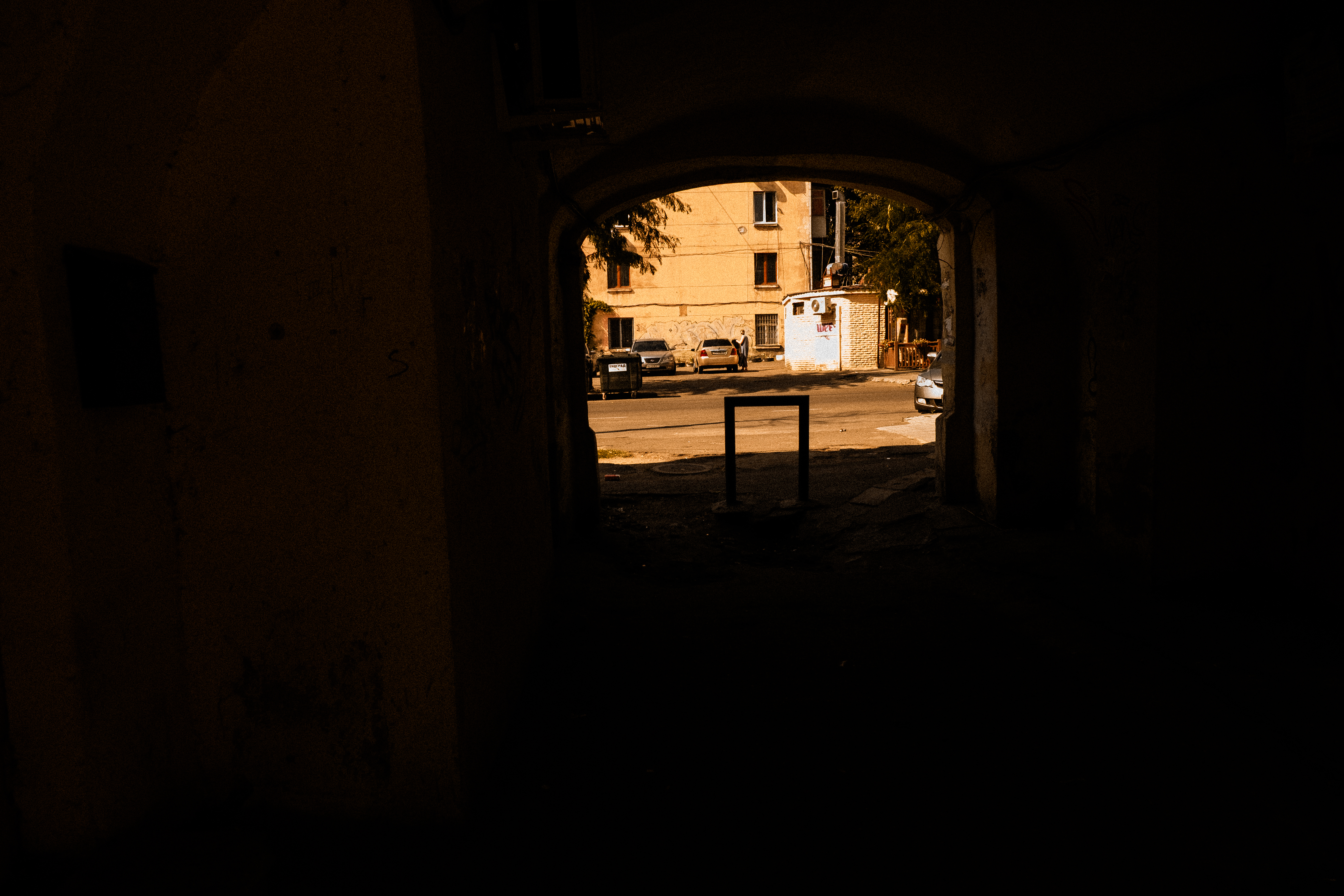
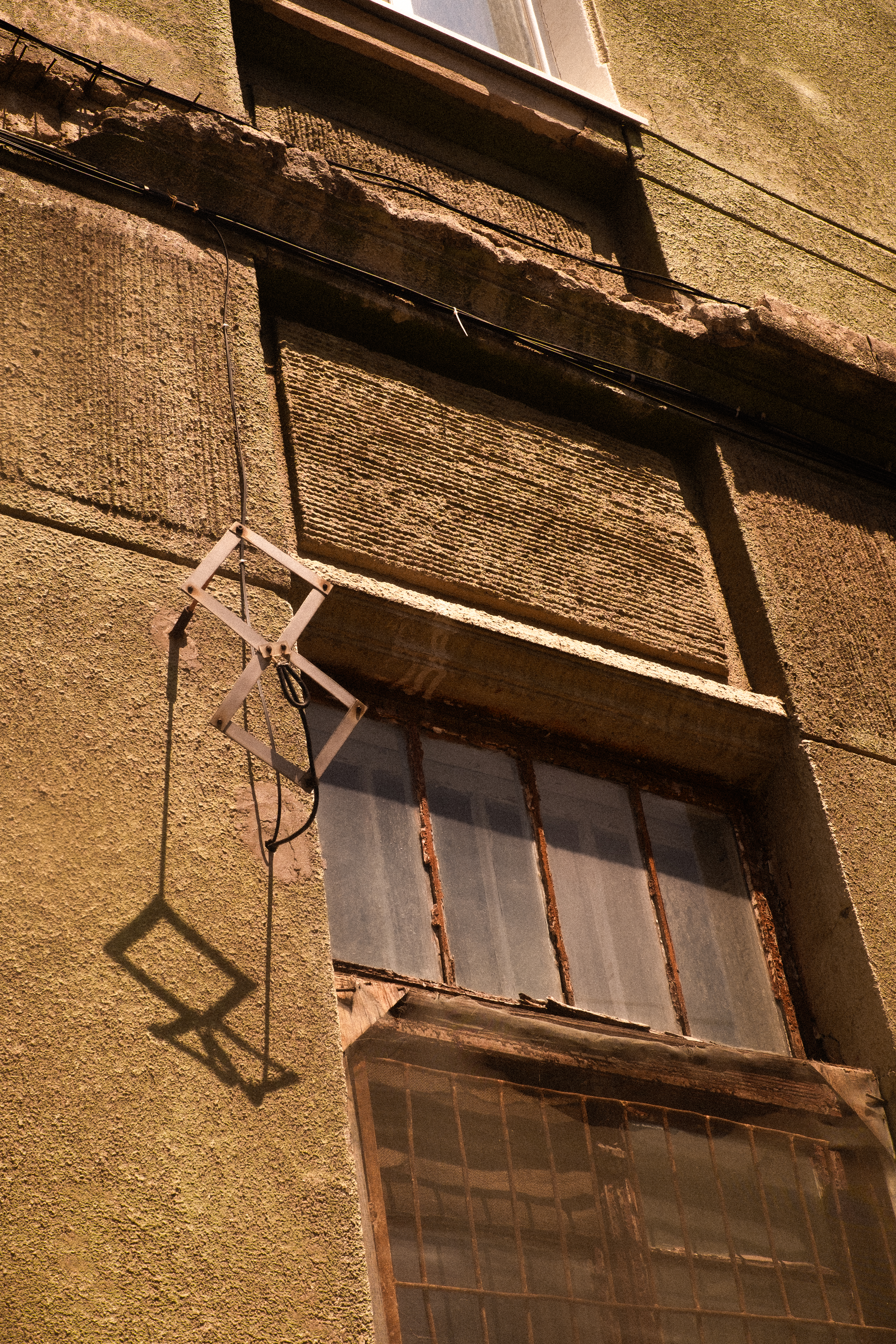
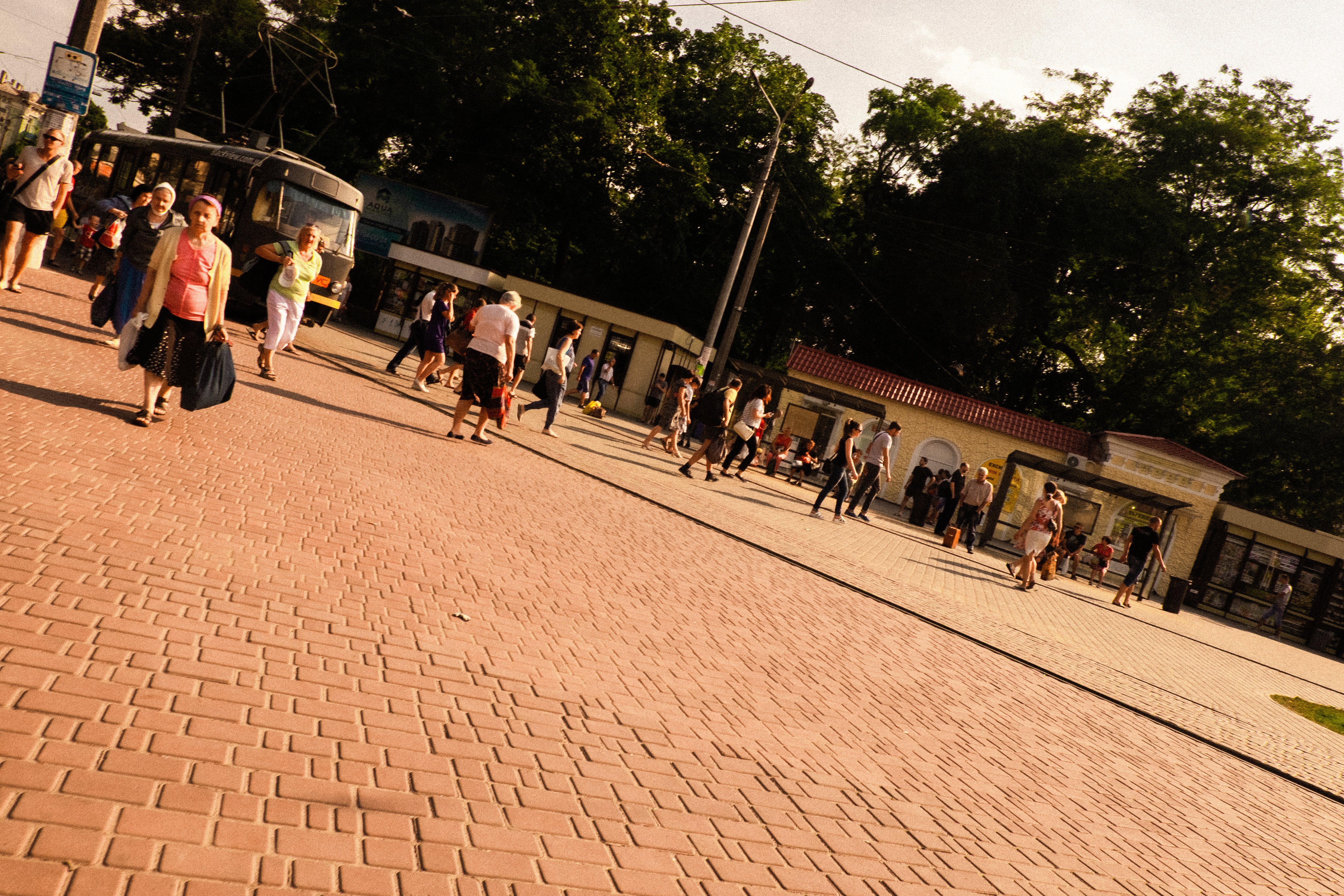
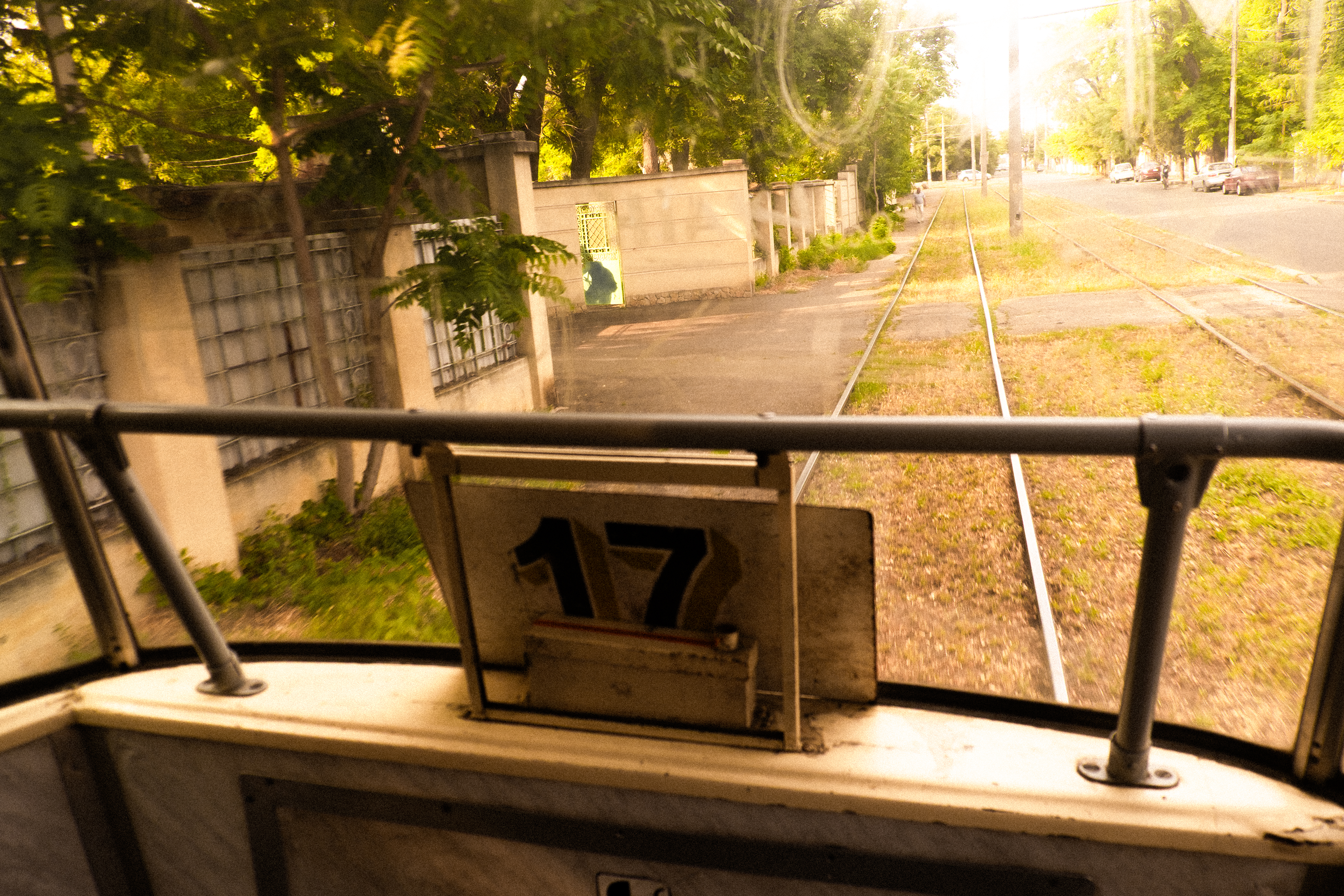
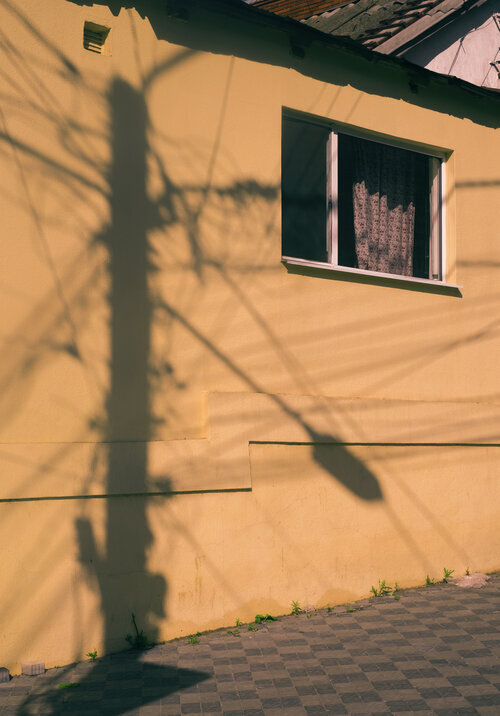
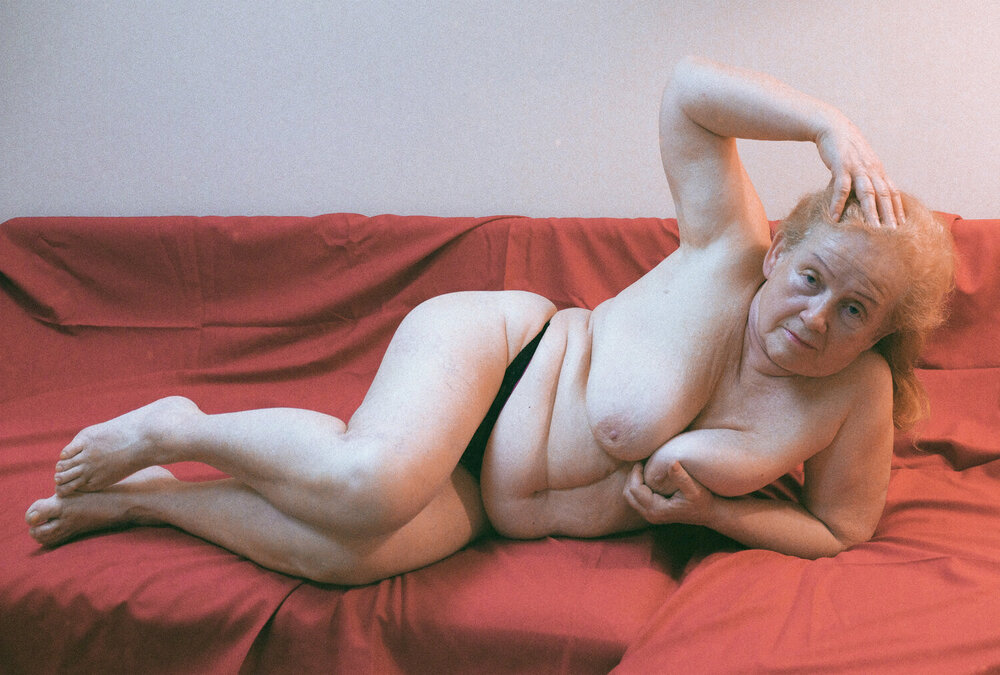
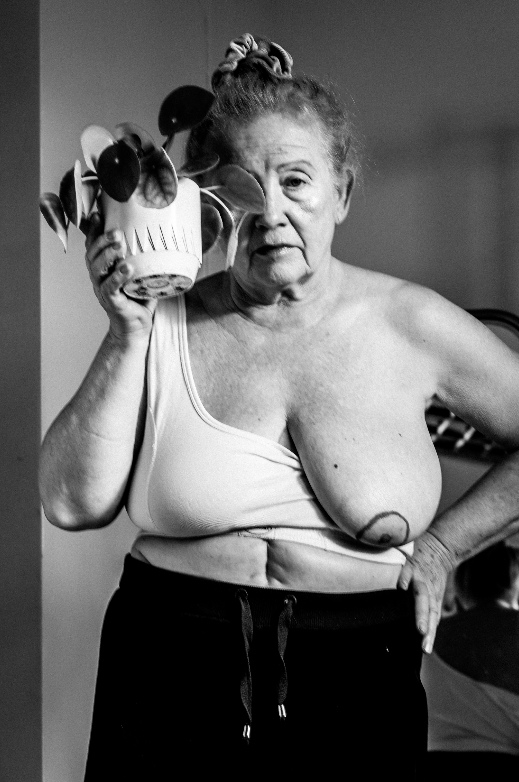
Meat, Fish and Aubergine Caviar is a project about my parents’ life in Odesa, Ukraine, a city on the Black Sea coast that has traditionally had everything in abundance: fish, sun, exposed flesh, and of course… delicious aubergine caviar. It is a city where the real overlaps with the surreal, and where everyone seems born to shine, either in the bright rays of its beautiful sandy beaches or under the charming street lamps of Prymorsky Boulevard, right where you can find the famous Sergei Eisenstein staircase from his 1925 silent film Battleship Potemkin. It is a city where you stroll leisurely along the shore in your white trousers because “it’s almost Rio de Janeiro,” as claimed by the protagonist of The Twelve Chairs (1928), the classic satirical novel by Odesan authors Ilf and Petrov.
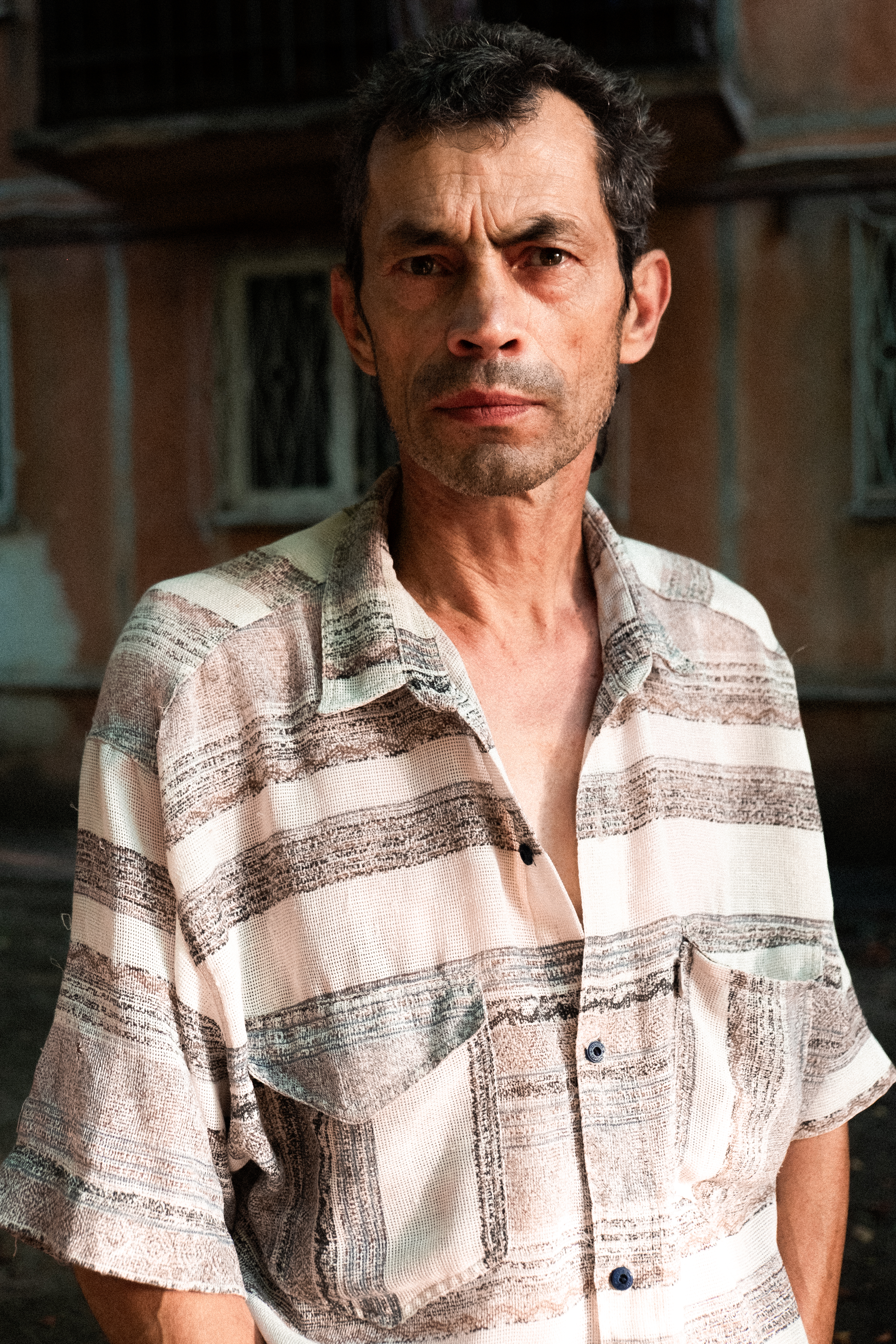
However, my life in Odesa was far from a bed of roses. Since childhood, I had always wanted to escape. Both of my parents were depressed, emotionally immature, and physically absent. My father, a confused orphan struggling with his sexuality, drowned his sorrows in liquor, while my narcissistic mother was entirely consumed by her own traumas, which made her unable to feel any genuine emotion and left her distant and unreachable.
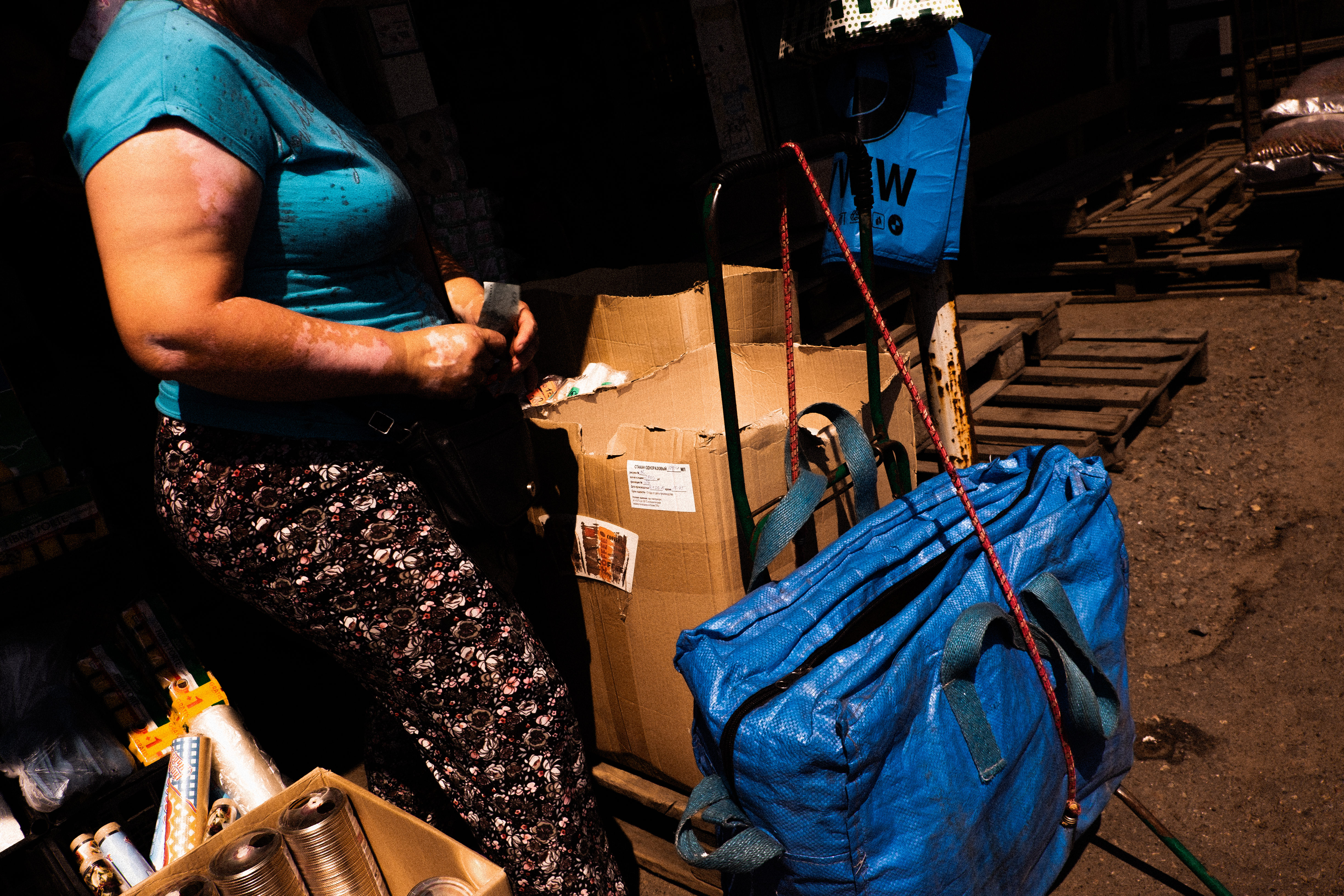
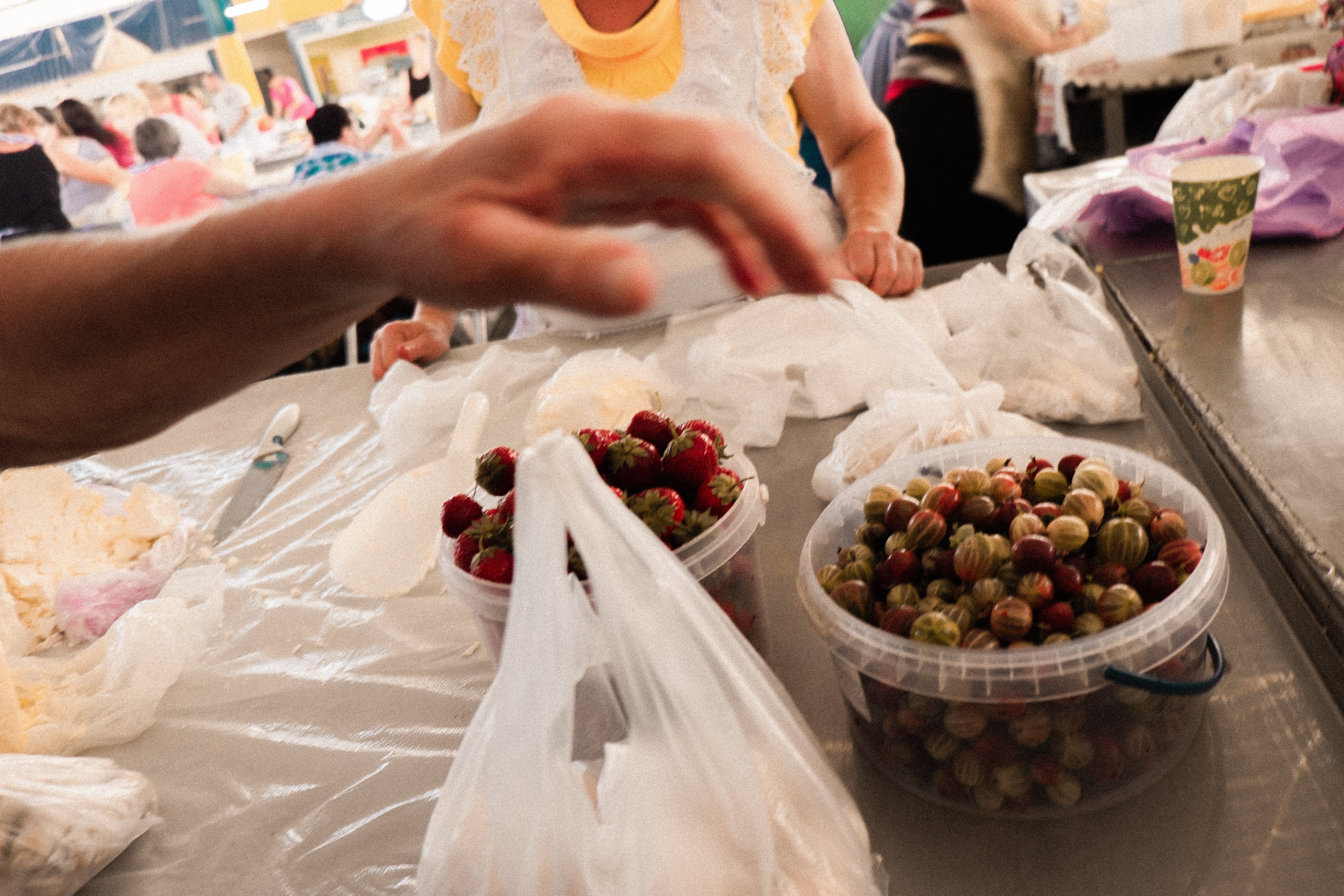
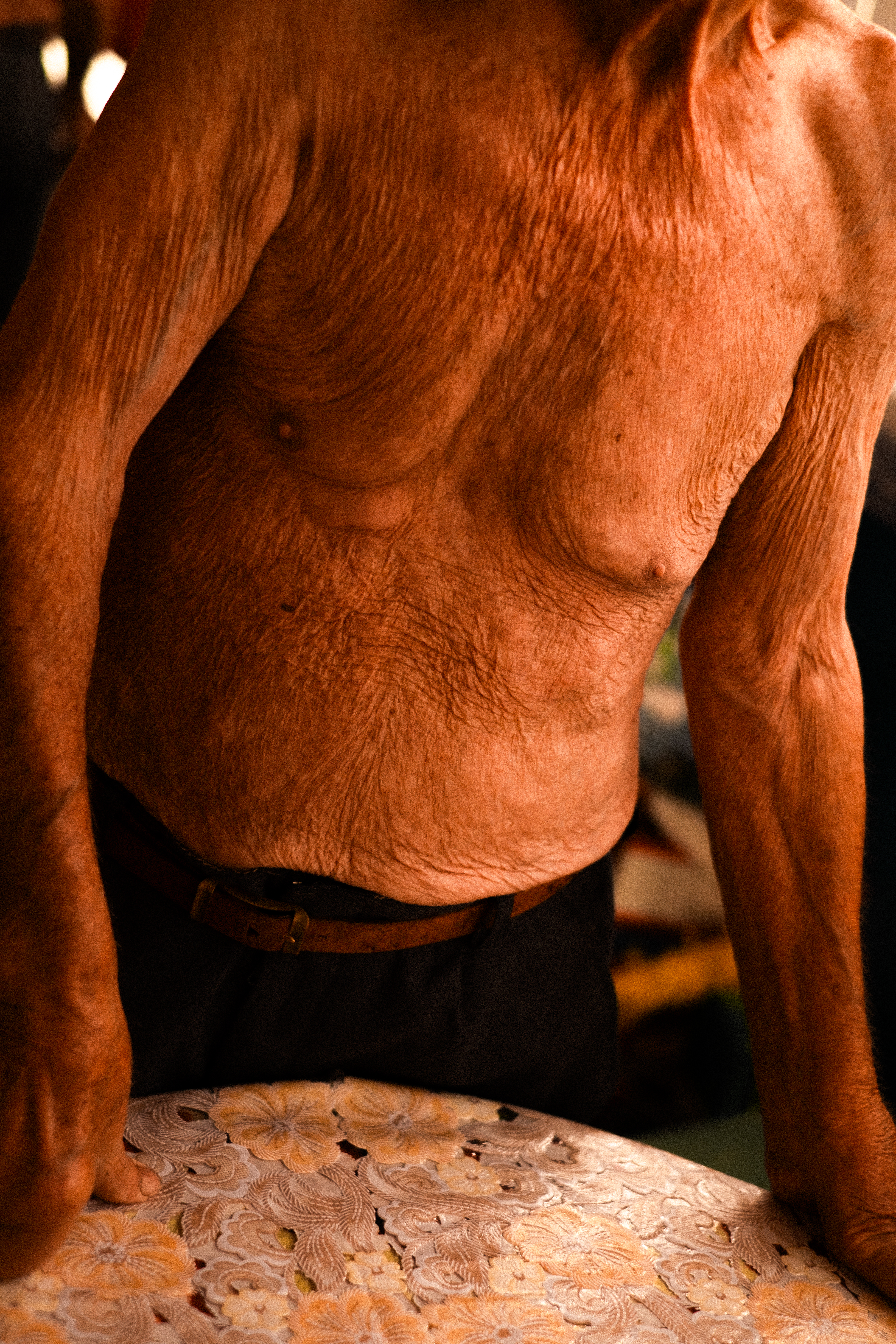
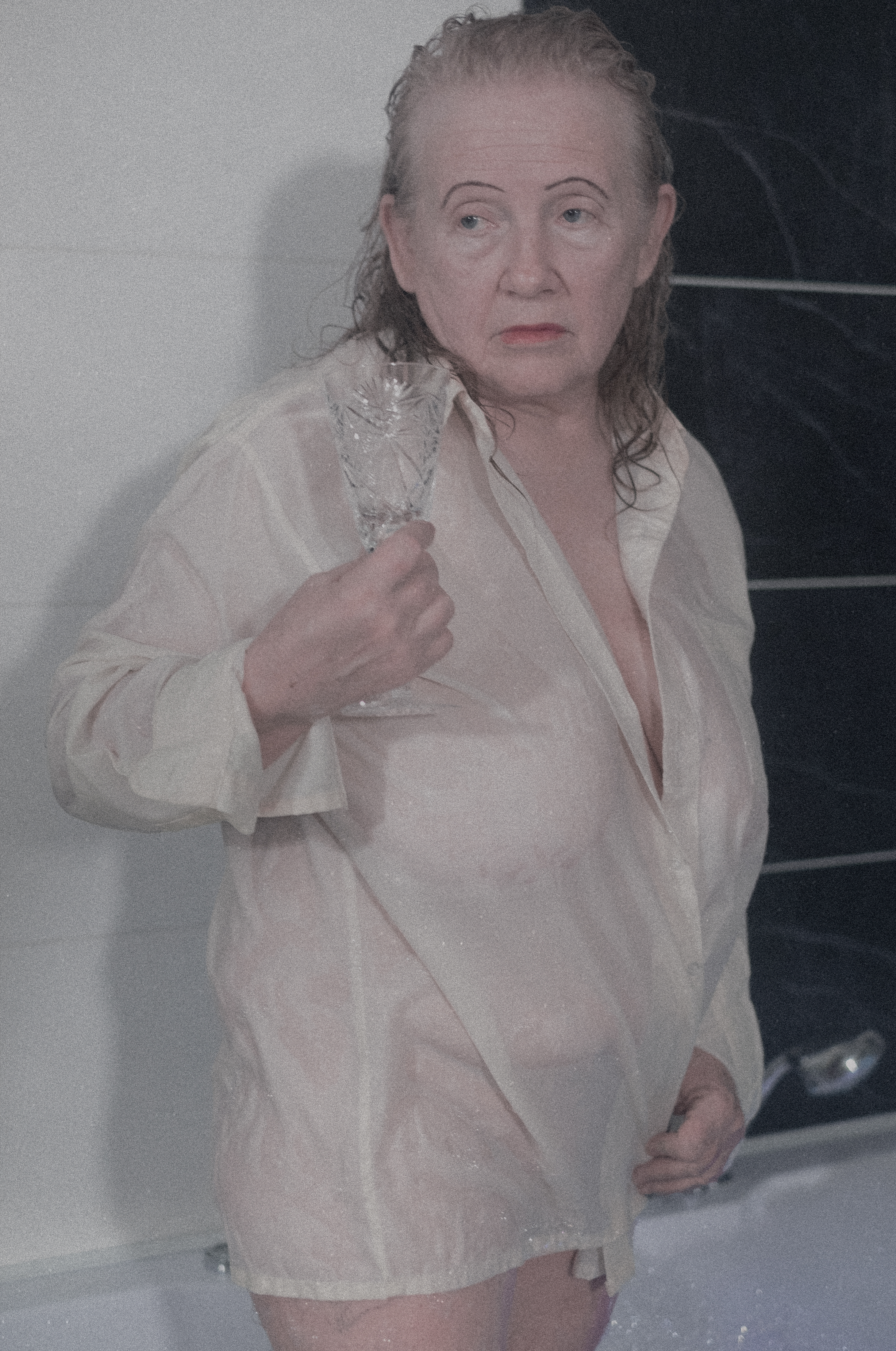
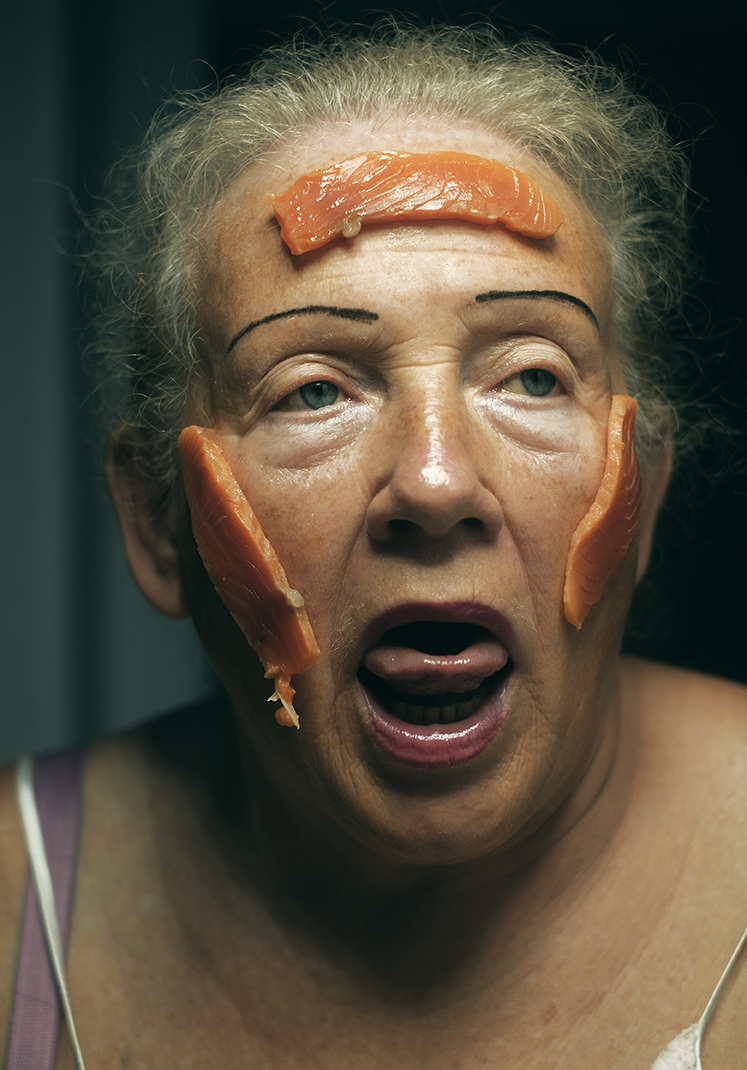
I left Odesa for another country when I was sixteen. The first photographs for Meat, Fish and Aubergine Caviar were taken in 2016, when my father fell ill and was admitted to the ICU. That event made me stay in Odesa for several months, caring for him and entertaining my forlorn, terrified mother by photographing her. I continued the project until 2019, returning to Odesa several times a year until my father had fully recovered and could resume his routines: exercising on the beach, shopping at local open-air markets, and indulging in cooking and eating with my mother.
Through this project, photography became a tool for communication and connection with my parents. I created a utopian universe where life is beautiful and I finally have the kind of parents I always wished for. While the series reflects the culture of both the country and the city, at its core it is a self-portrait of someone wrecked by childhood trauma, someone who would rather live in the illusory Odesa of meat, fish, and aubergine caviar.
However, my life in Odesa was far from a bed of roses. Since childhood, I had always wanted to escape. Both of my parents were depressed, emotionally immature, and physically absent. My father, a confused orphan struggling with his sexuality, drowned his sorrows in liquor, while my narcissistic mother was entirely consumed by her own traumas, which made her unable to feel any genuine emotion and left her distant and unreachable.
I left Odesa for another country when I was sixteen. The first photographs for Meat, Fish and Aubergine Caviar were taken in 2016, when my father fell ill and was admitted to the ICU. That event made me stay in Odesa for several months, caring for him and entertaining my forlorn, terrified mother by photographing her. I continued the project until 2019, returning to Odesa several times a year until my father had fully recovered and could resume his routines: exercising on the beach, shopping at local open-air markets, and indulging in cooking and eating with my mother.
Through this project, photography became a tool for communication and connection with my parents. I created a utopian universe where life is beautiful and I finally have the kind of parents I always wished for. While the series reflects the culture of both the country and the city, at its core it is a self-portrait of someone wrecked by childhood trauma, someone who would rather live in the illusory Odesa of meat, fish, and aubergine caviar.
The End of an Era (beginning of something else...)


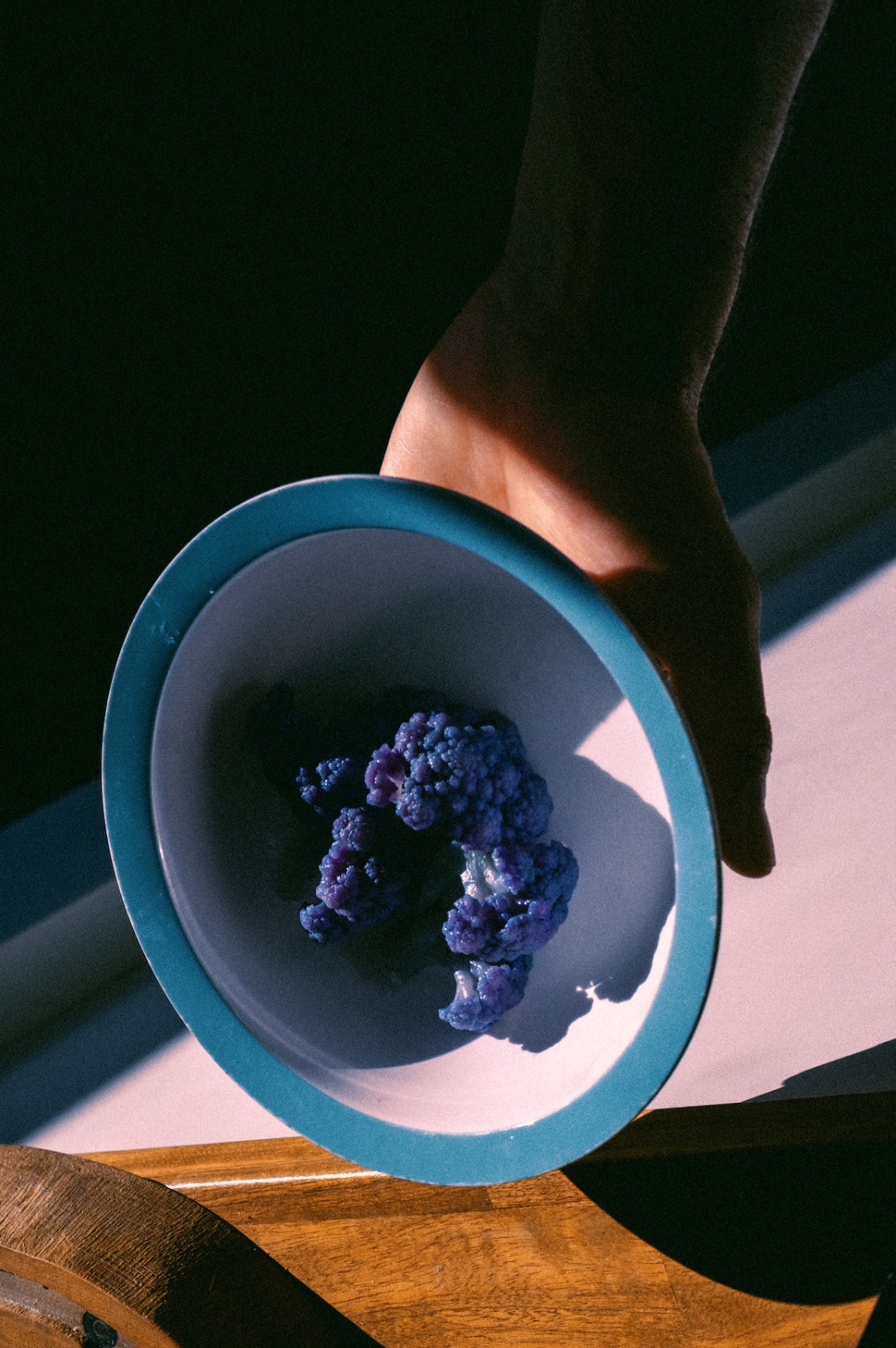













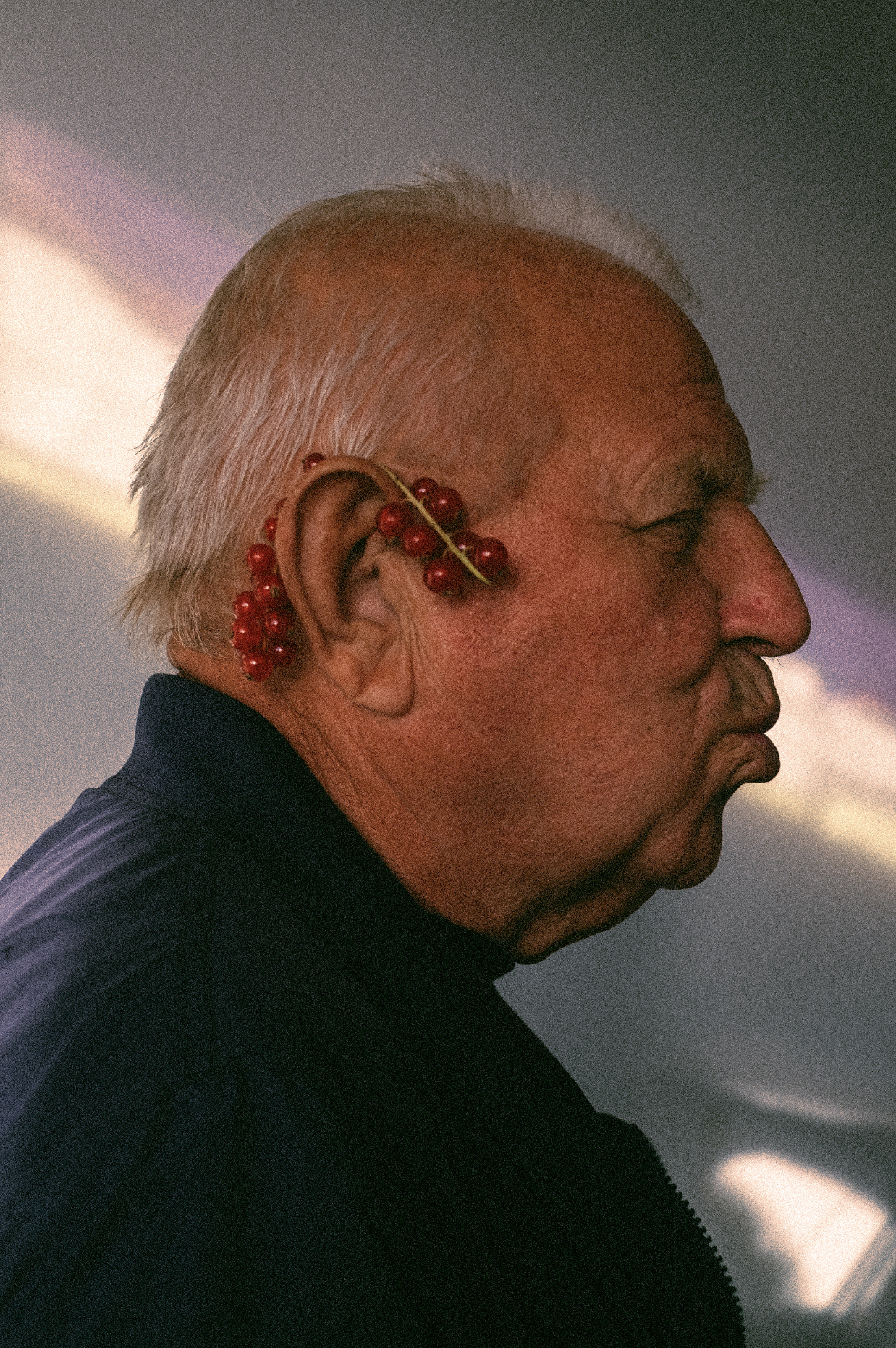

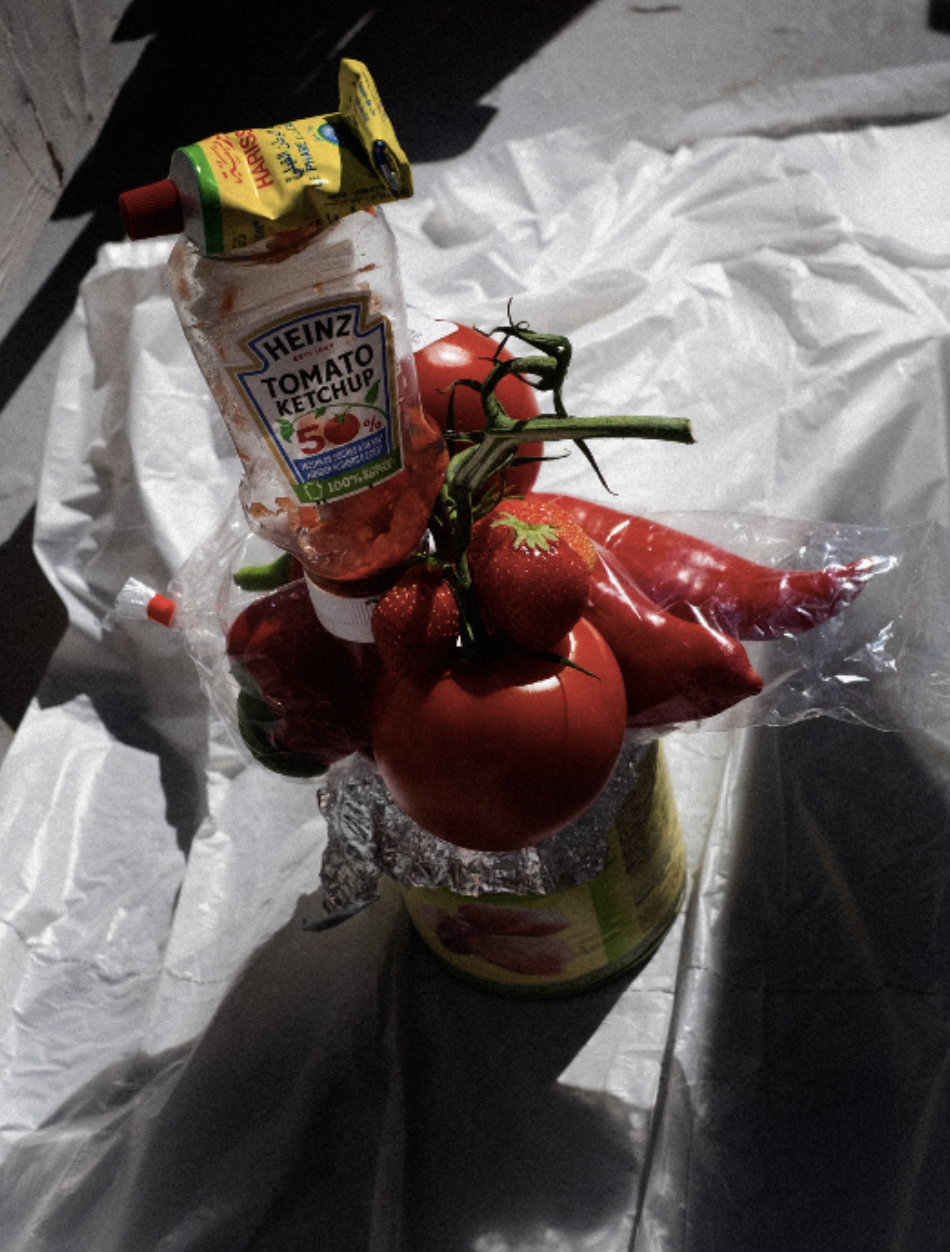

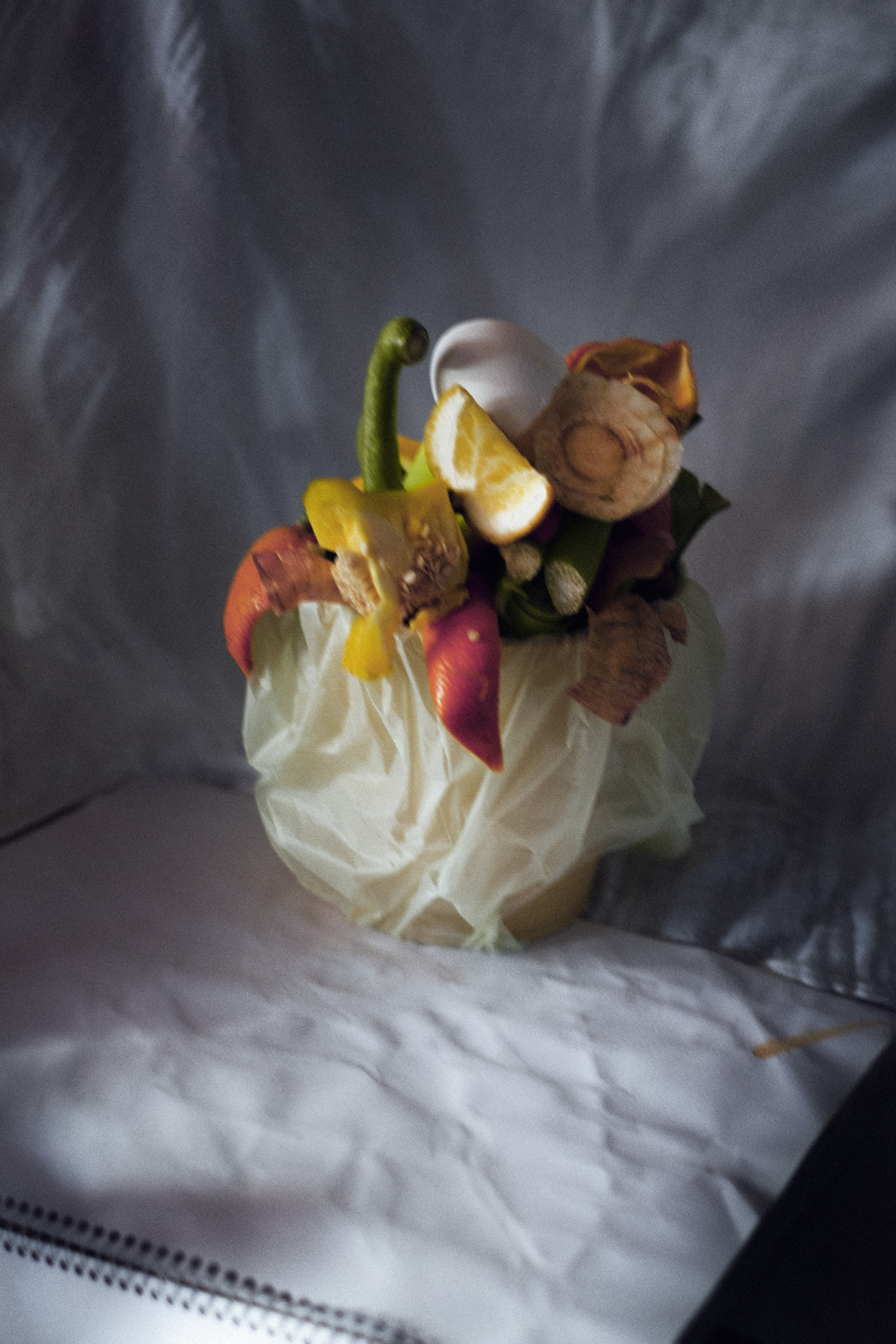


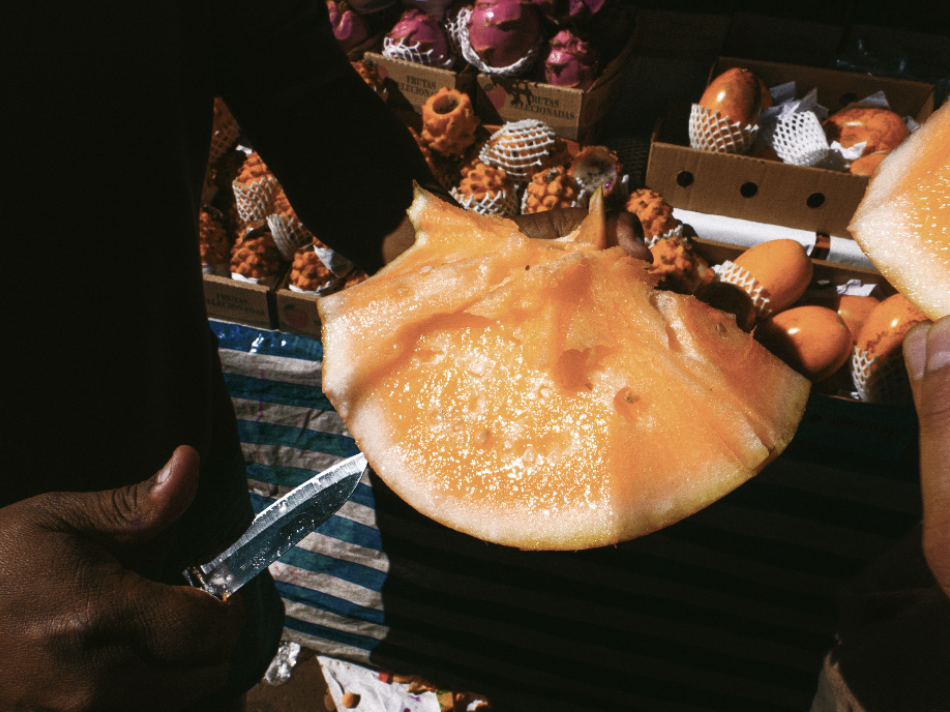

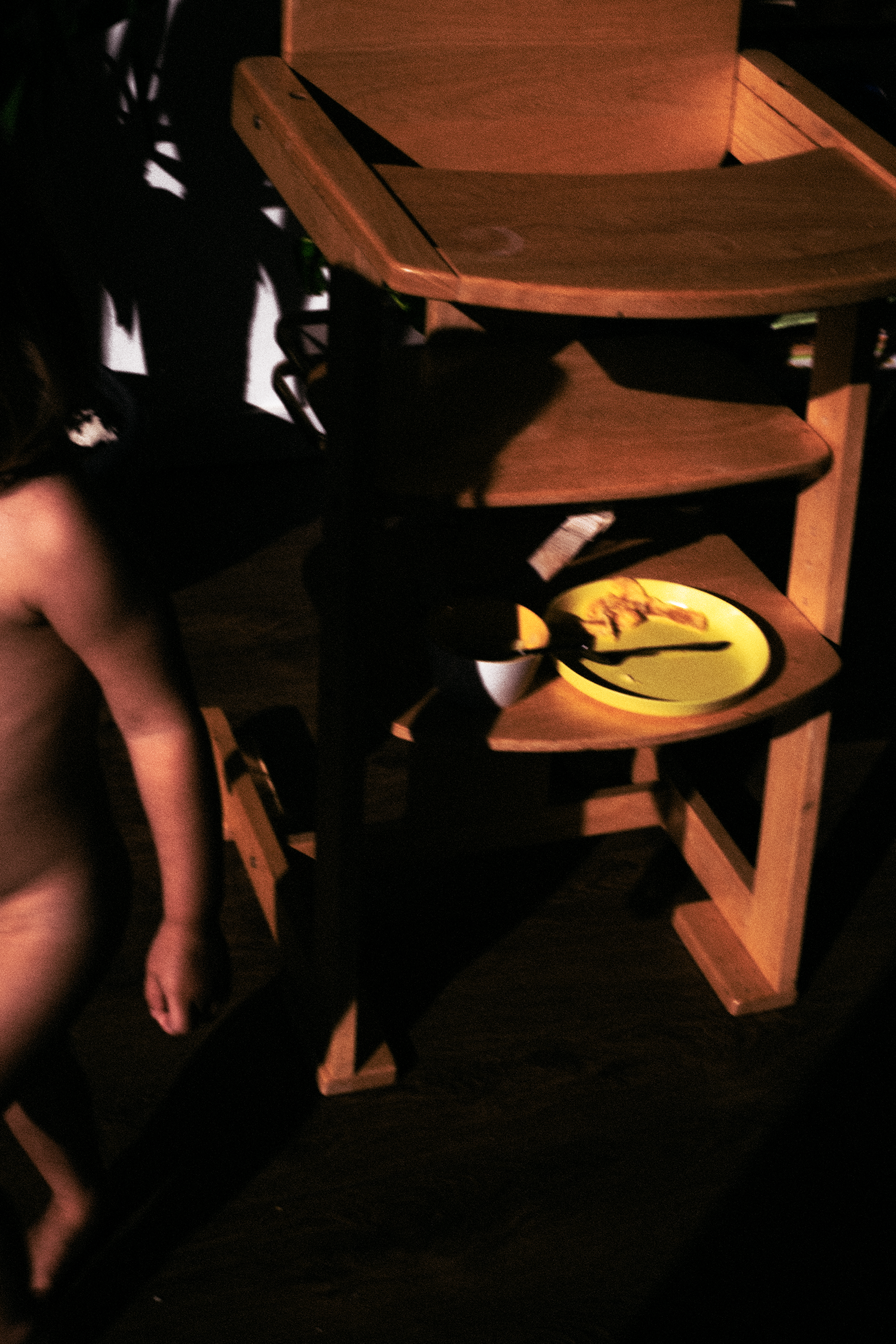


2023 - Ongoing
Since the Russian invasion of Ukraine in 2022, my sense of identity and belonging has been profoundly transformed. Though I now live away from Ukraine, my parents remain there, and I carry the constant emotional weight of distance, fear, and longing. As a Ukrainian female artist, mother, and daughter, I navigate this dual existence between safety and grief, connection and separation. My new project, The End of an Era (beginning of something else...), grows from this liminal space.
Photography has long been my language of reflection and healing. In recent years, it has become both a method of survival and a form of care. My practice began to shift after my mother suffered a heart attack, I was diagnosed with diabetes and ADHD, and my second child was born, all against the backdrop of war and displacement. These experiences made me re-evaluate how we live, love, and endure when the familiar structures of life collapse.
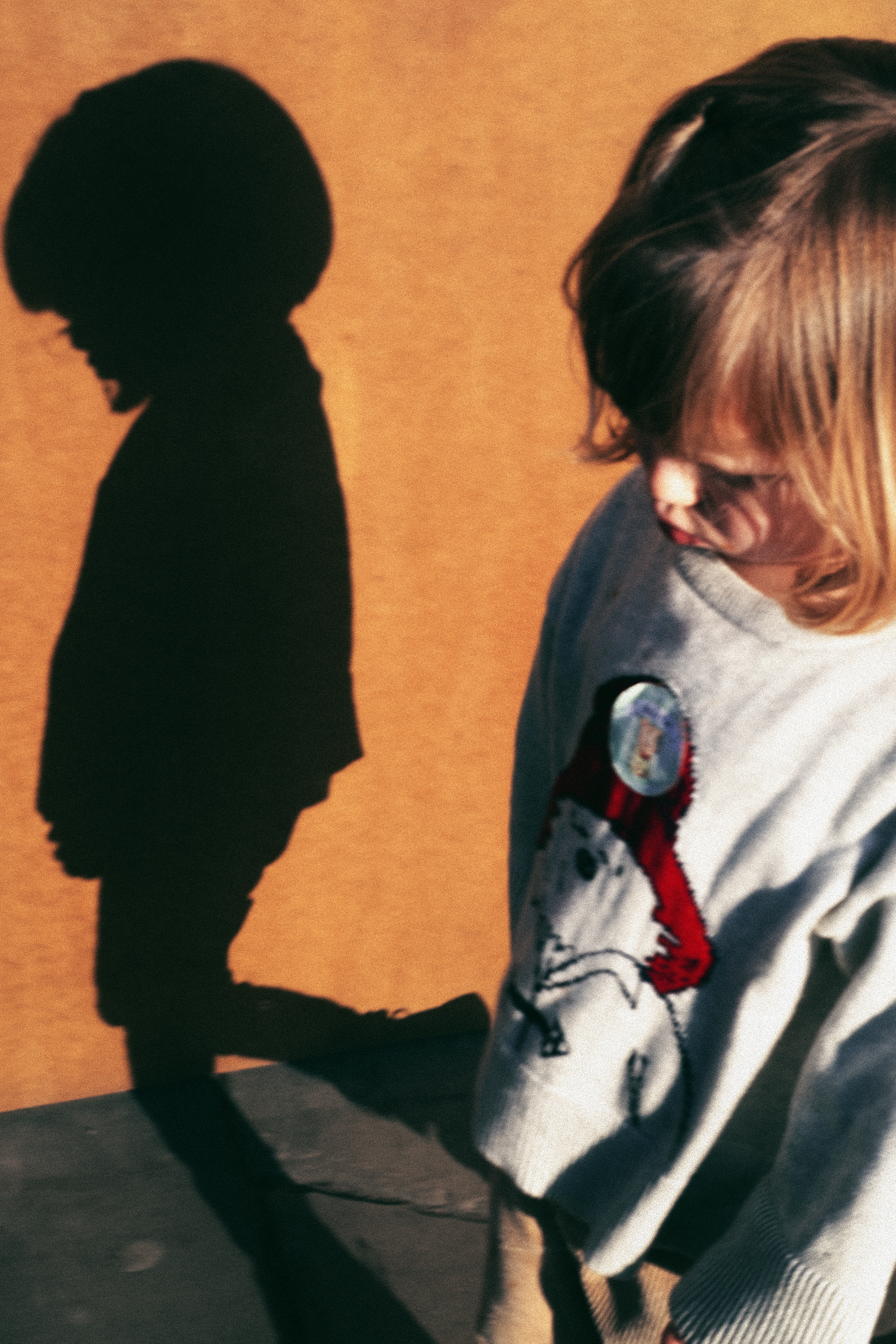
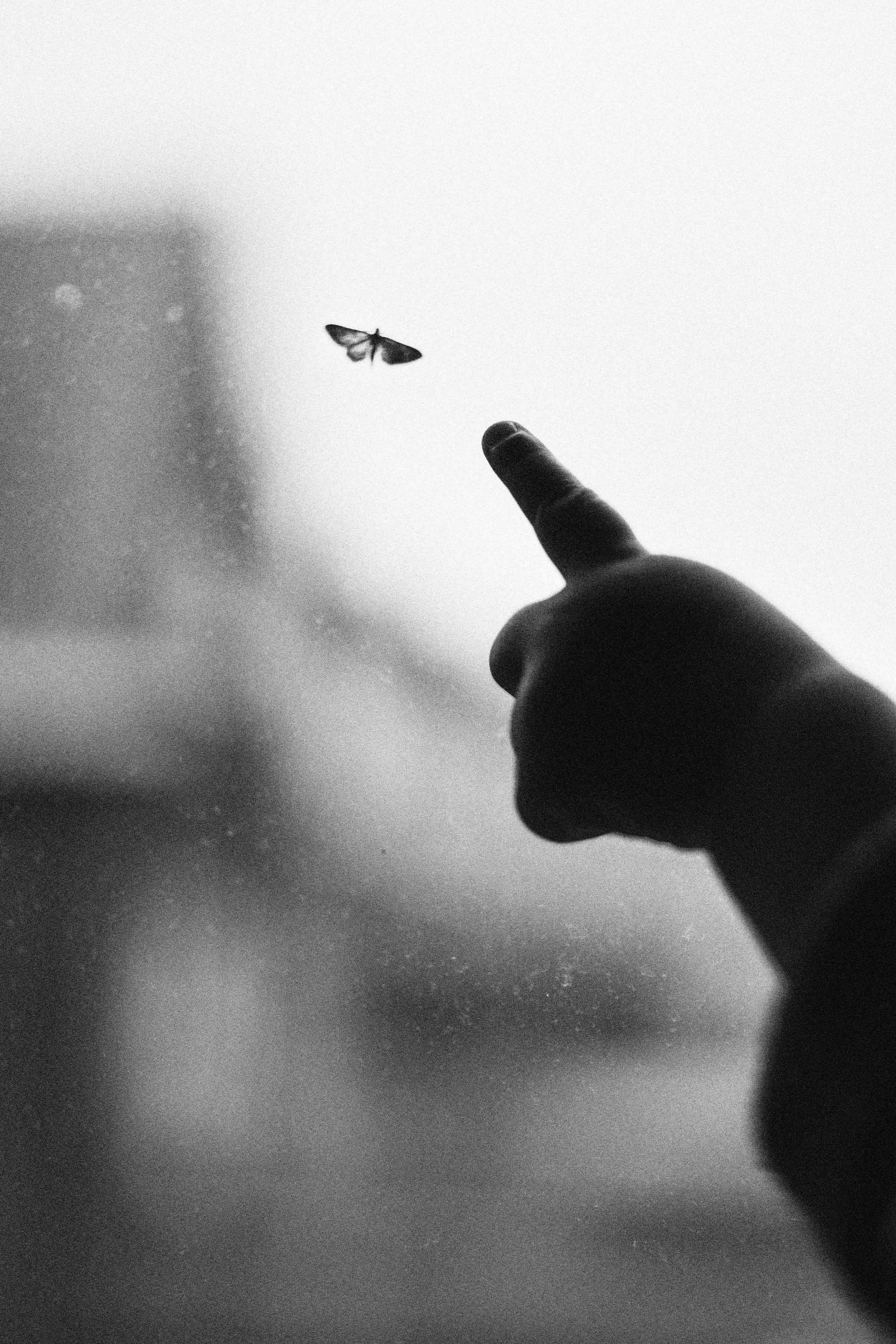
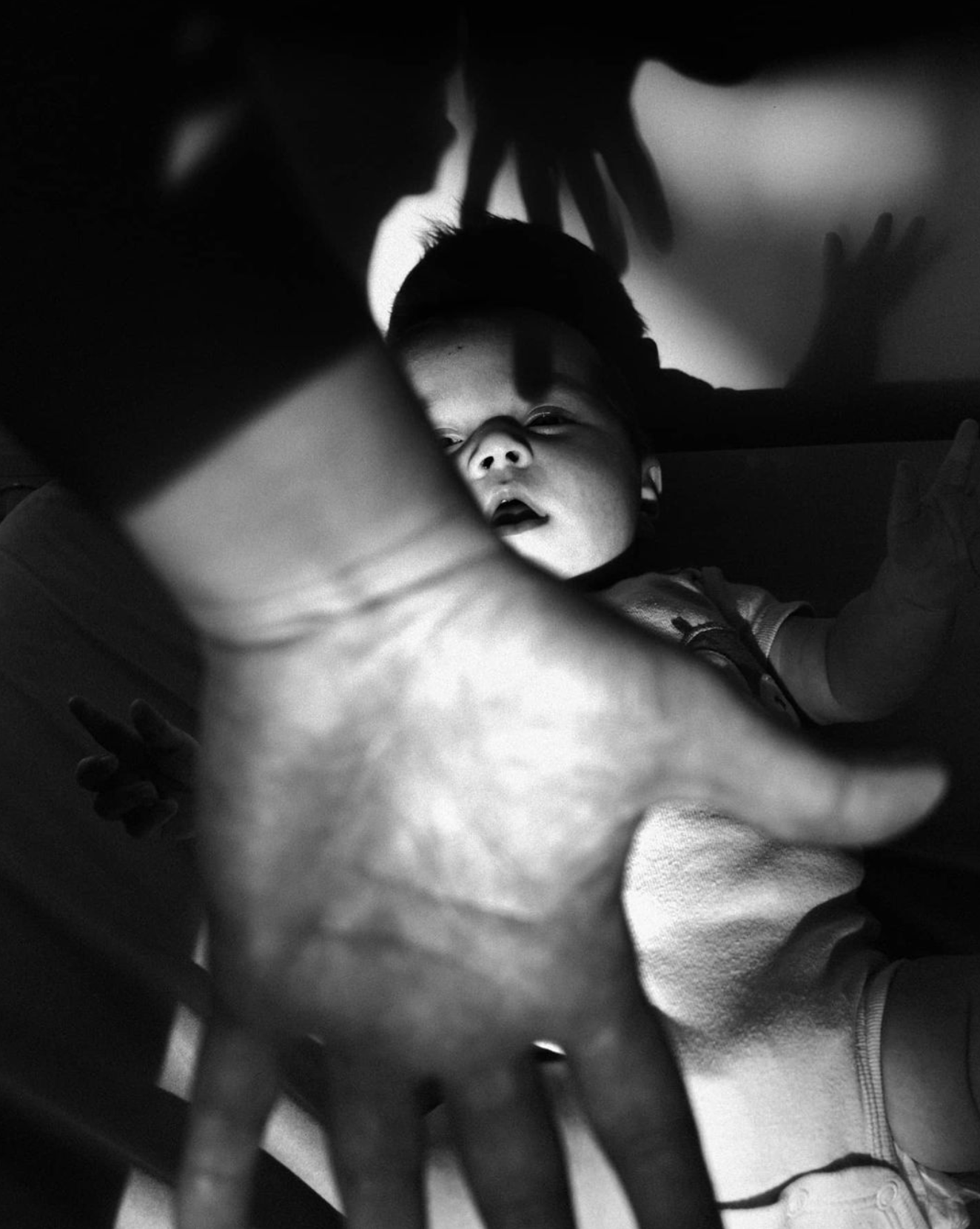
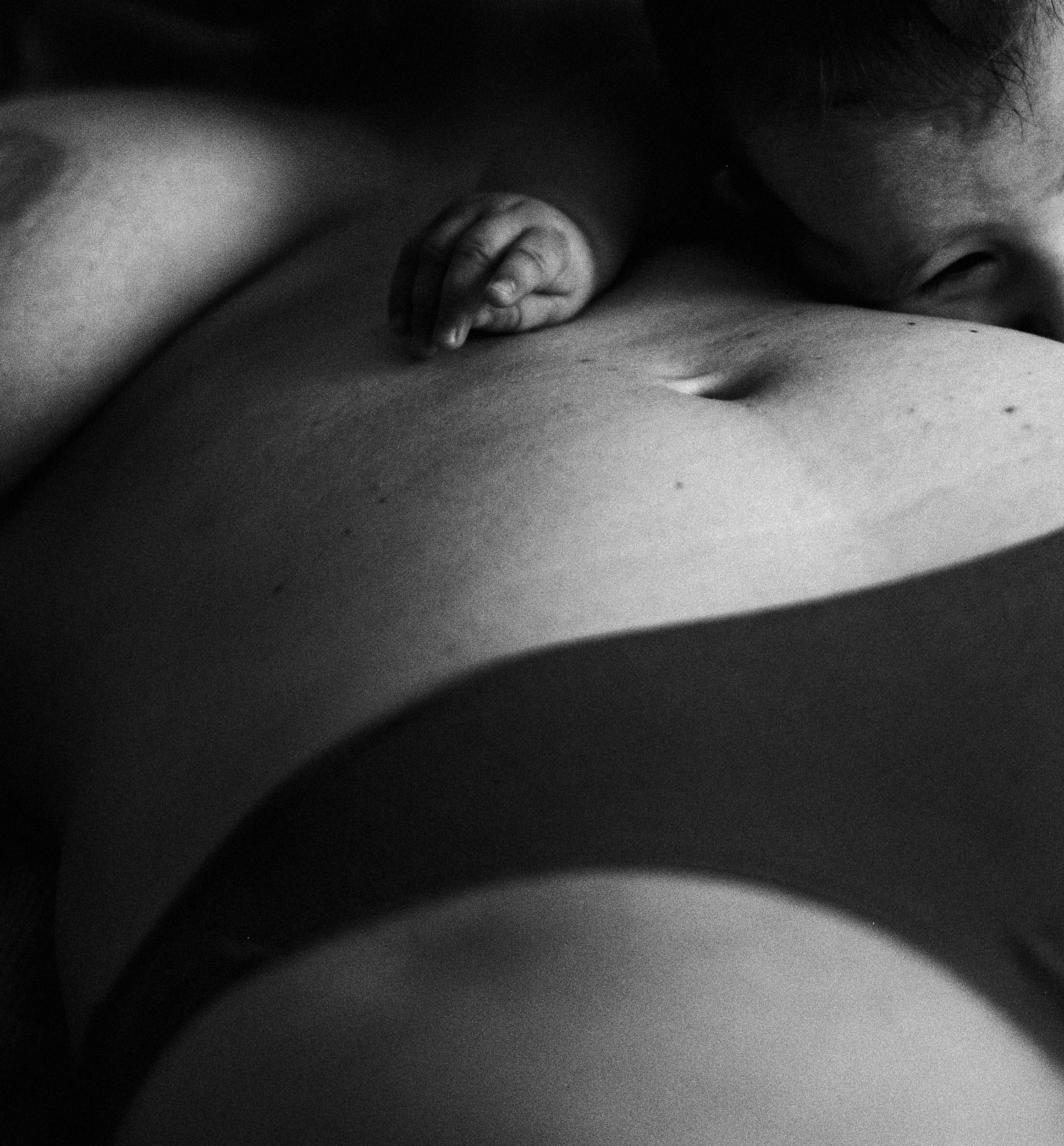
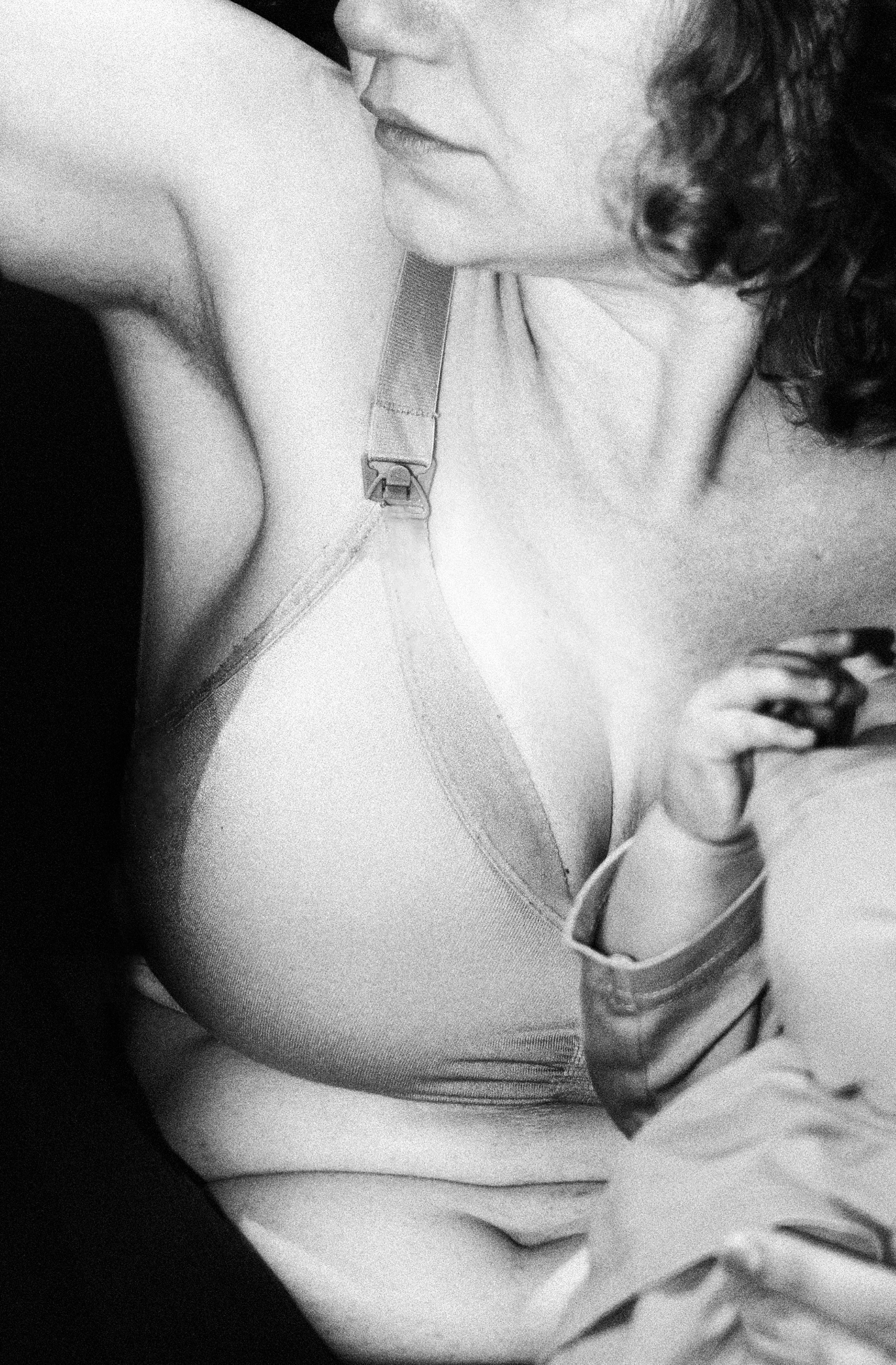
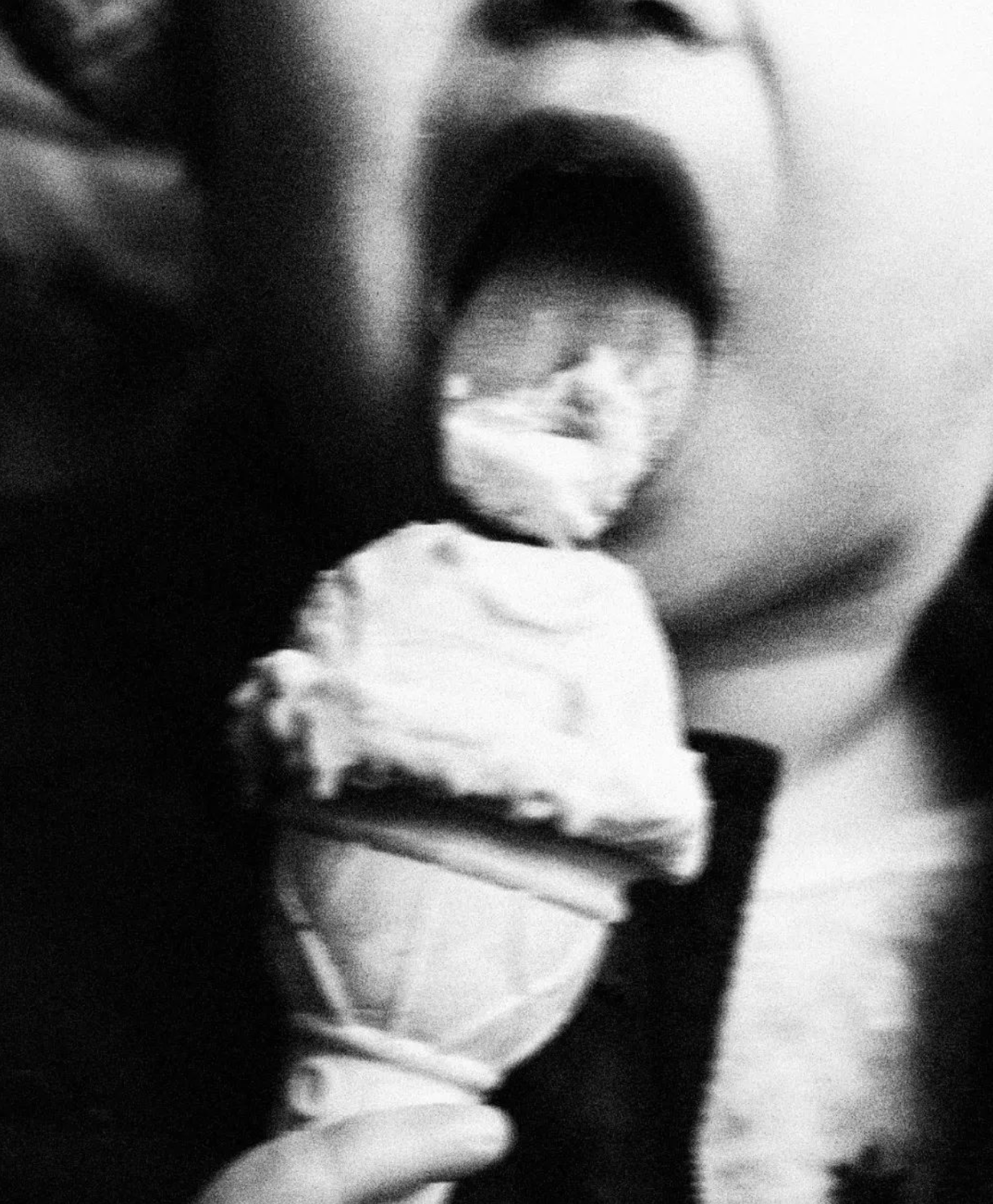
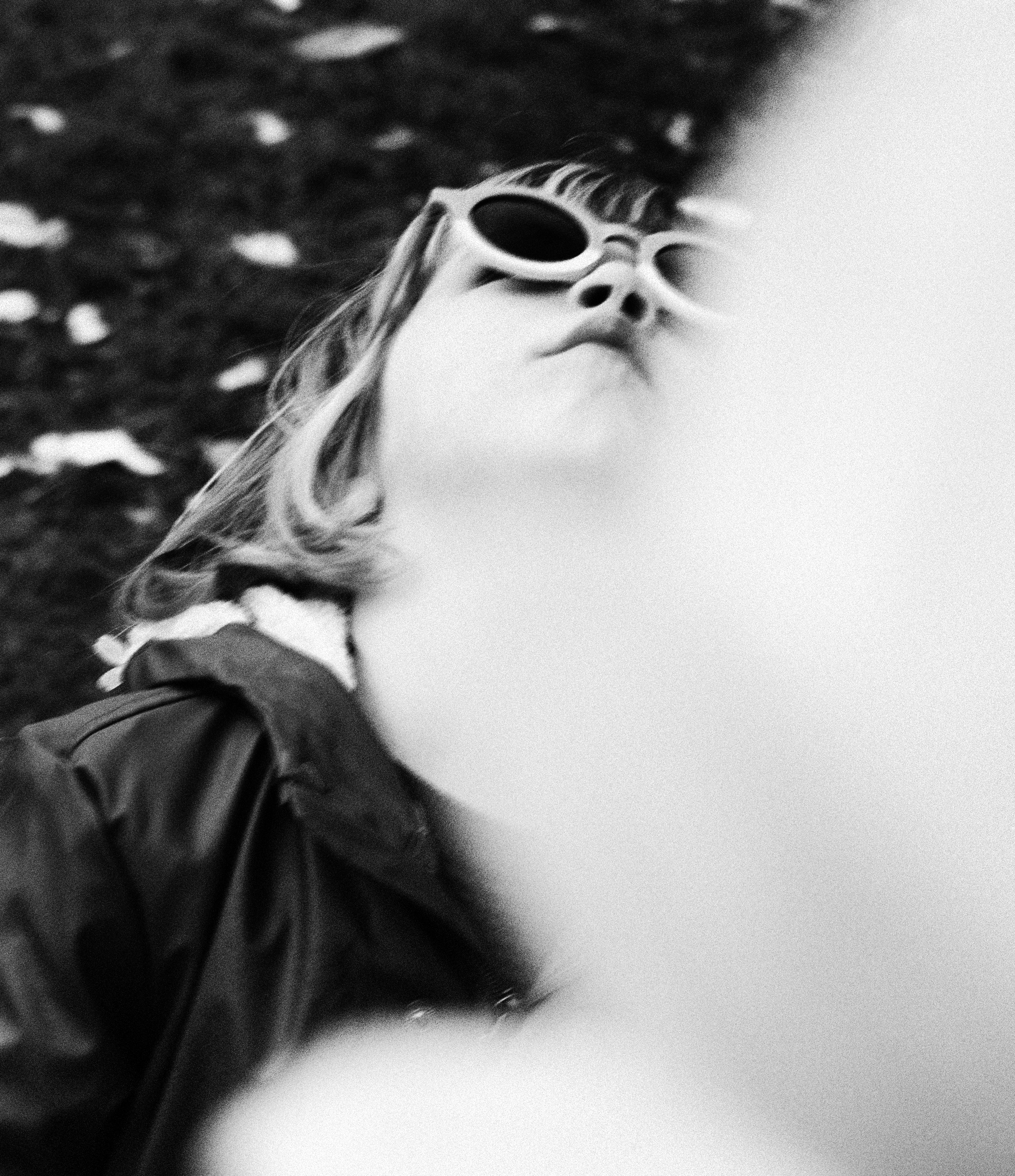
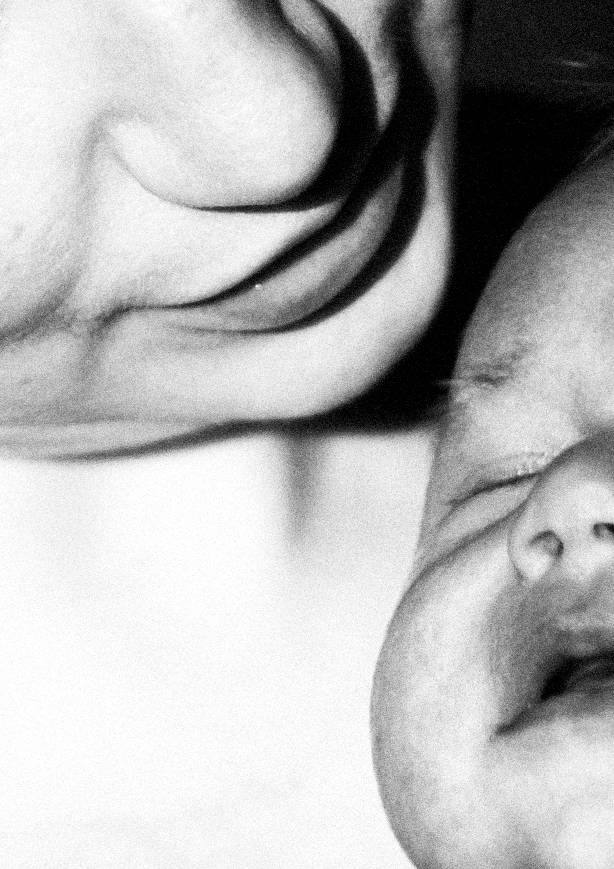
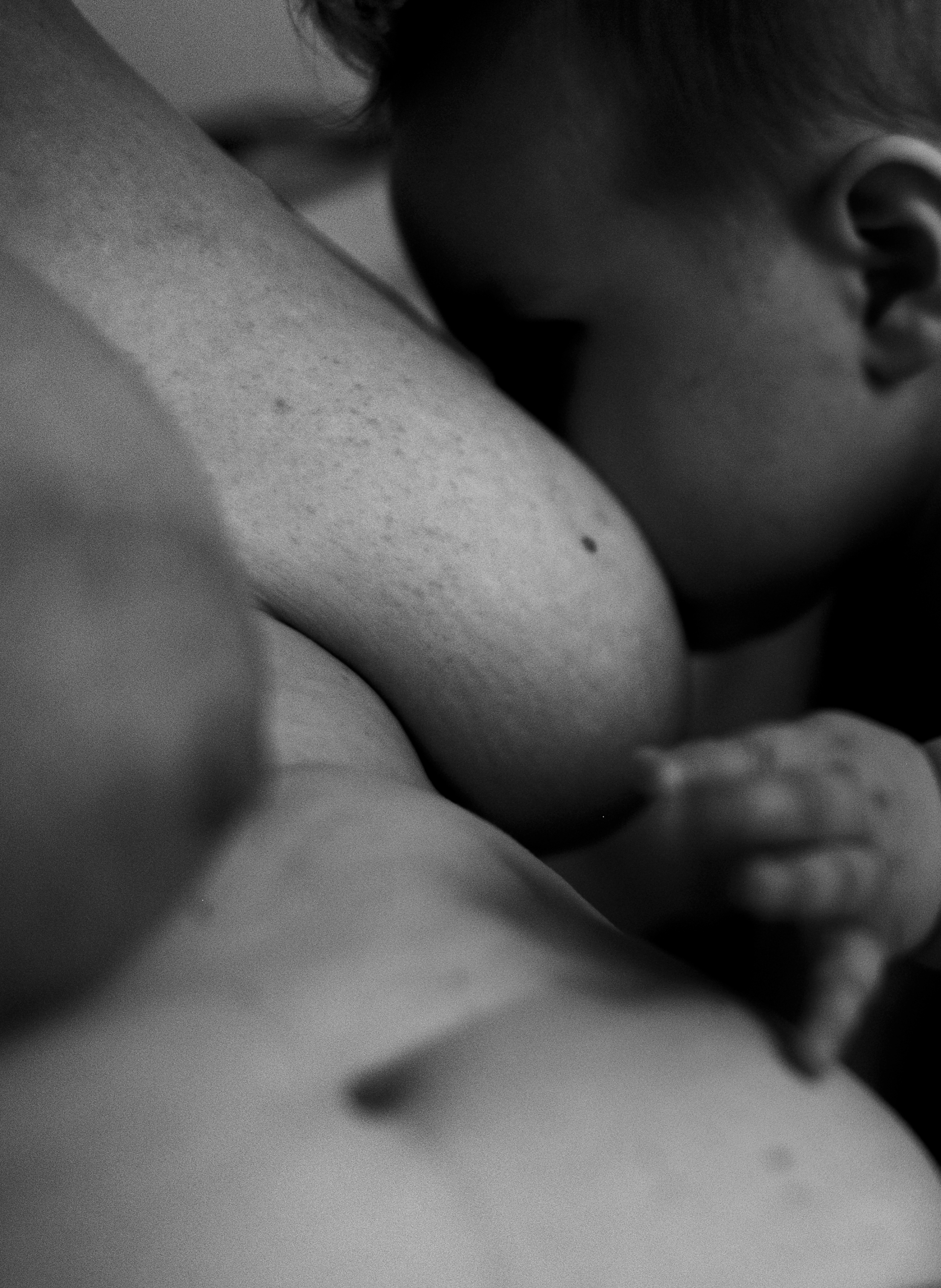
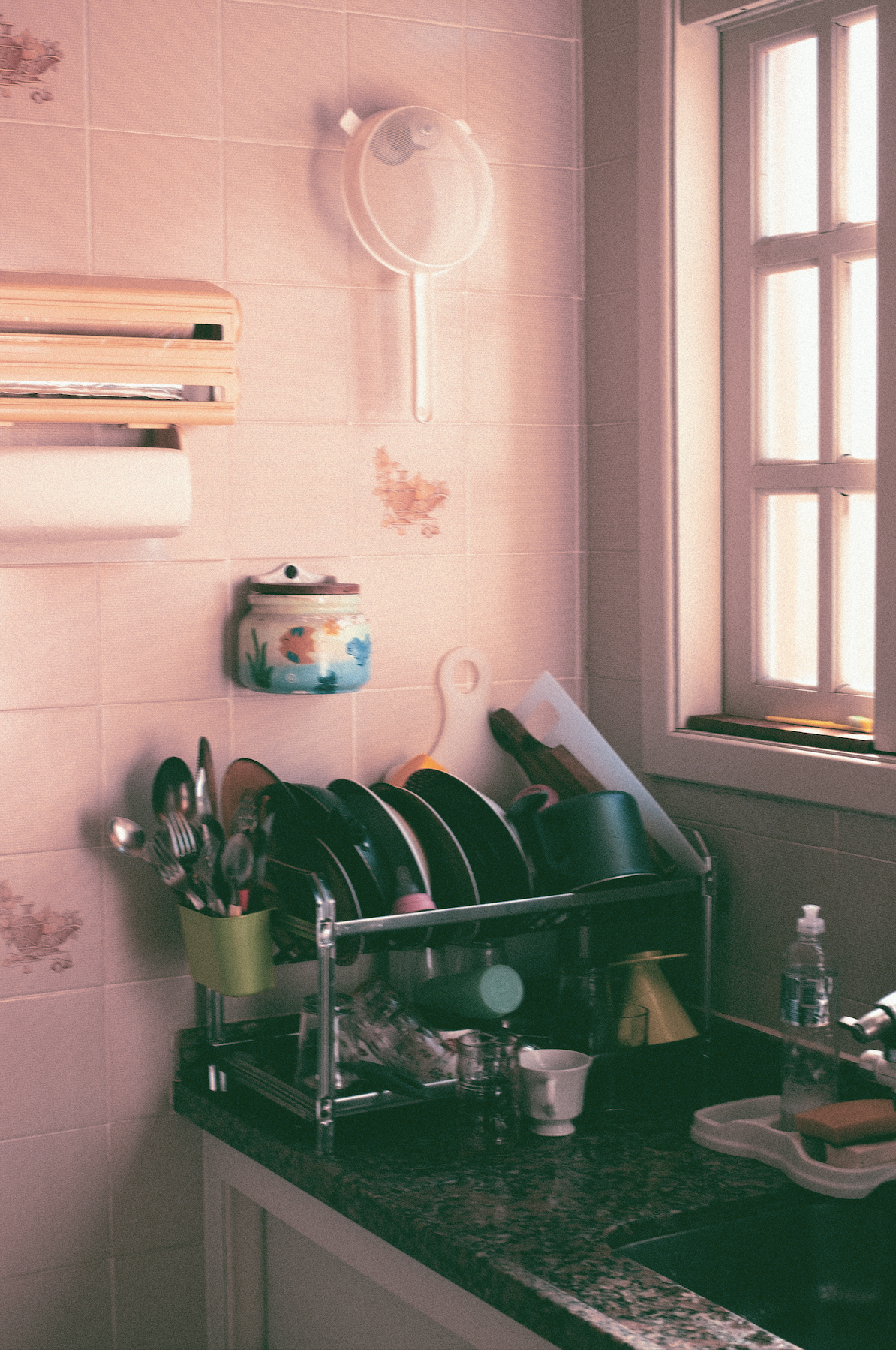
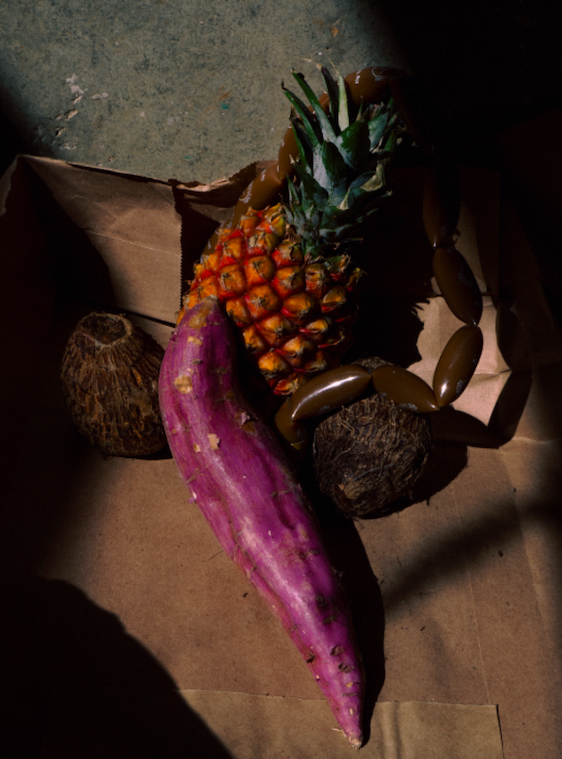
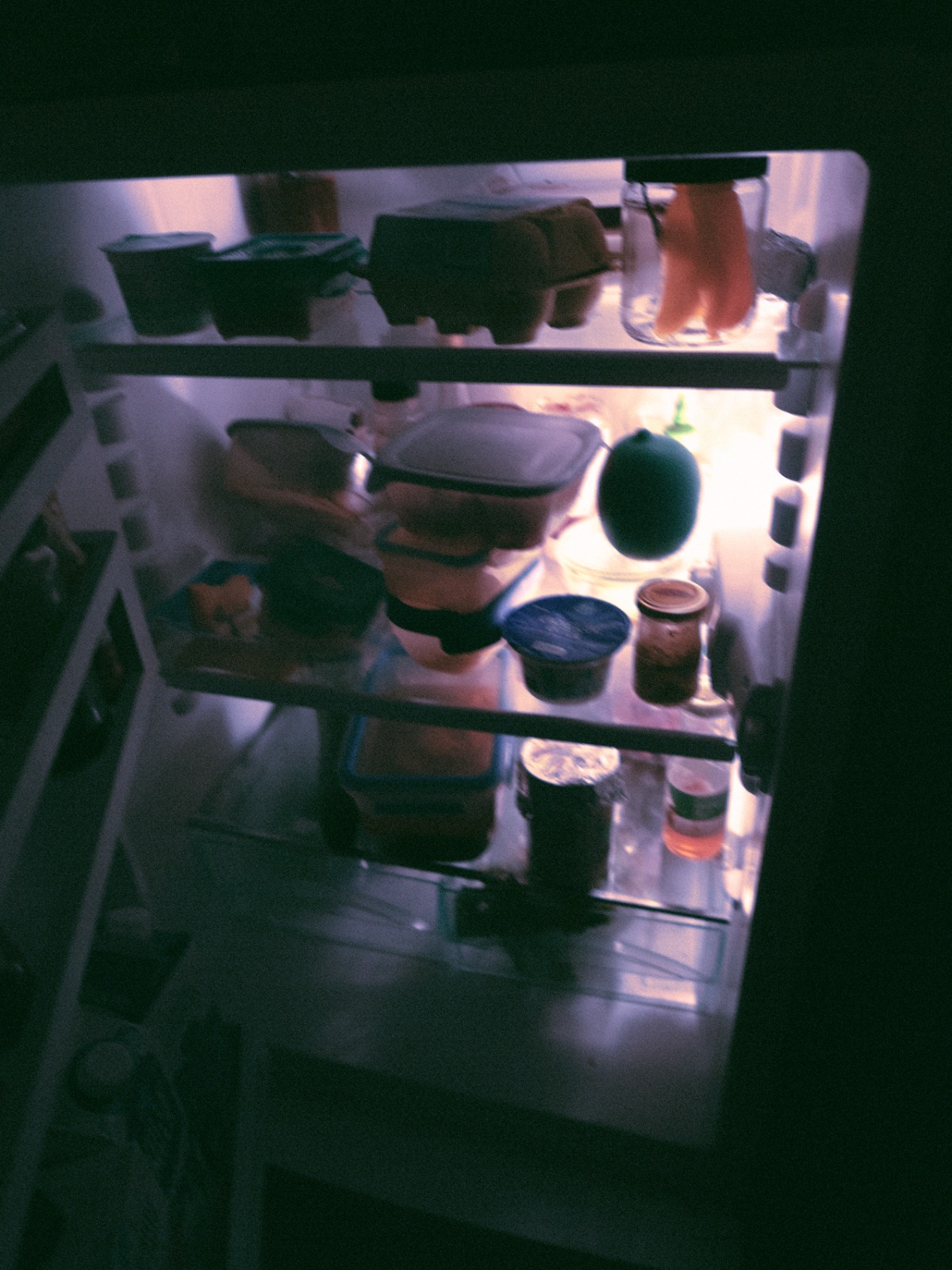
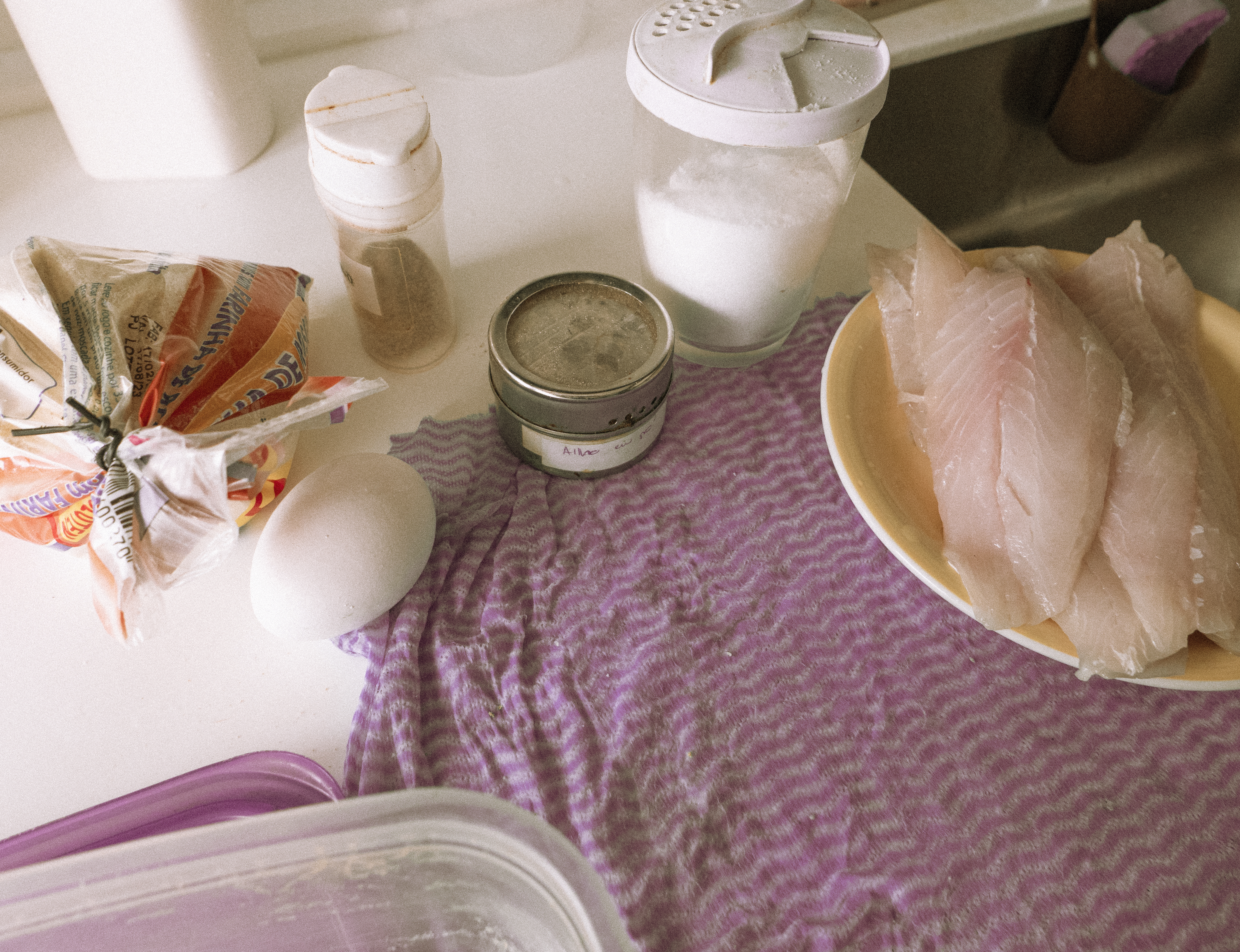
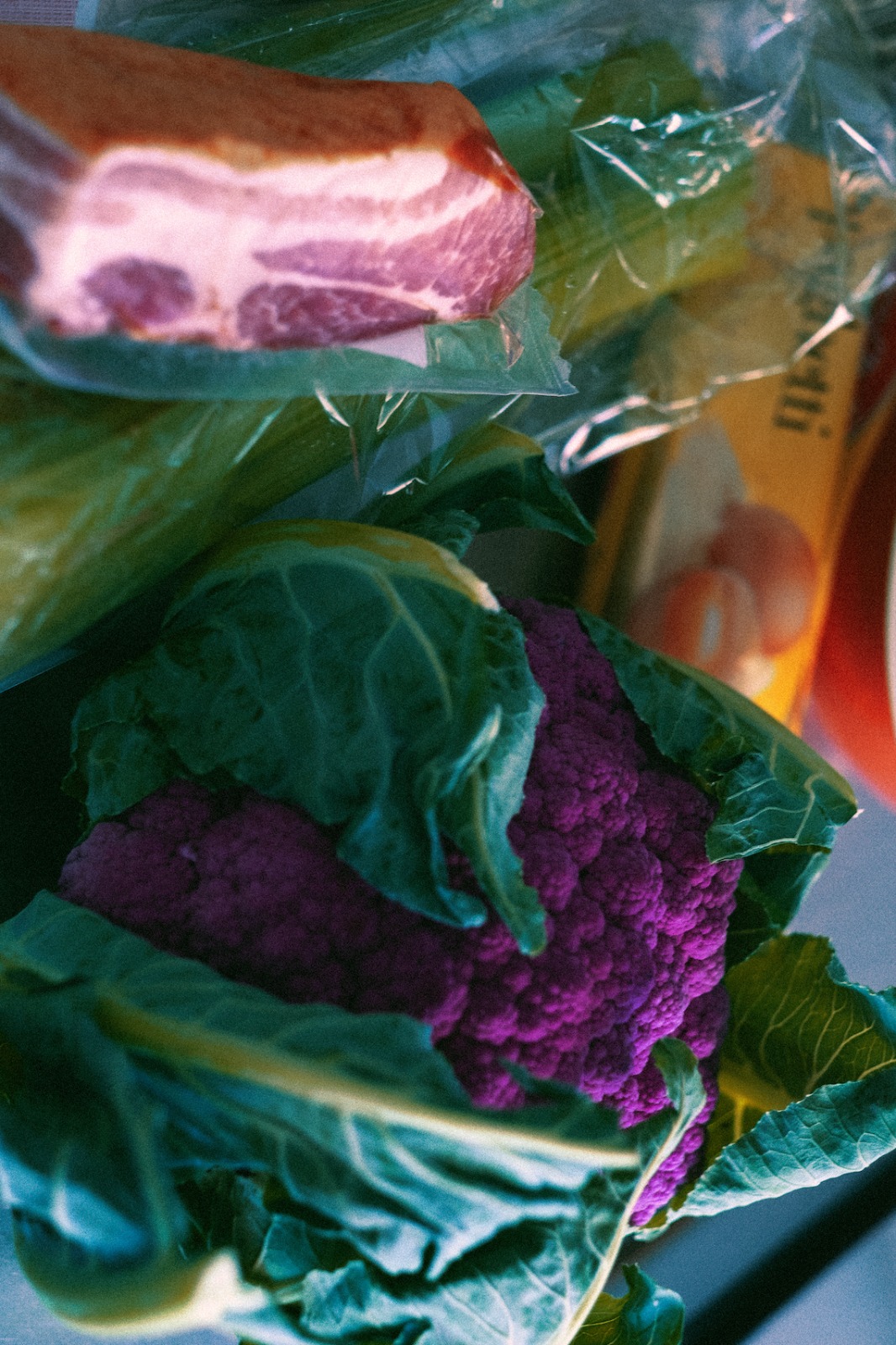
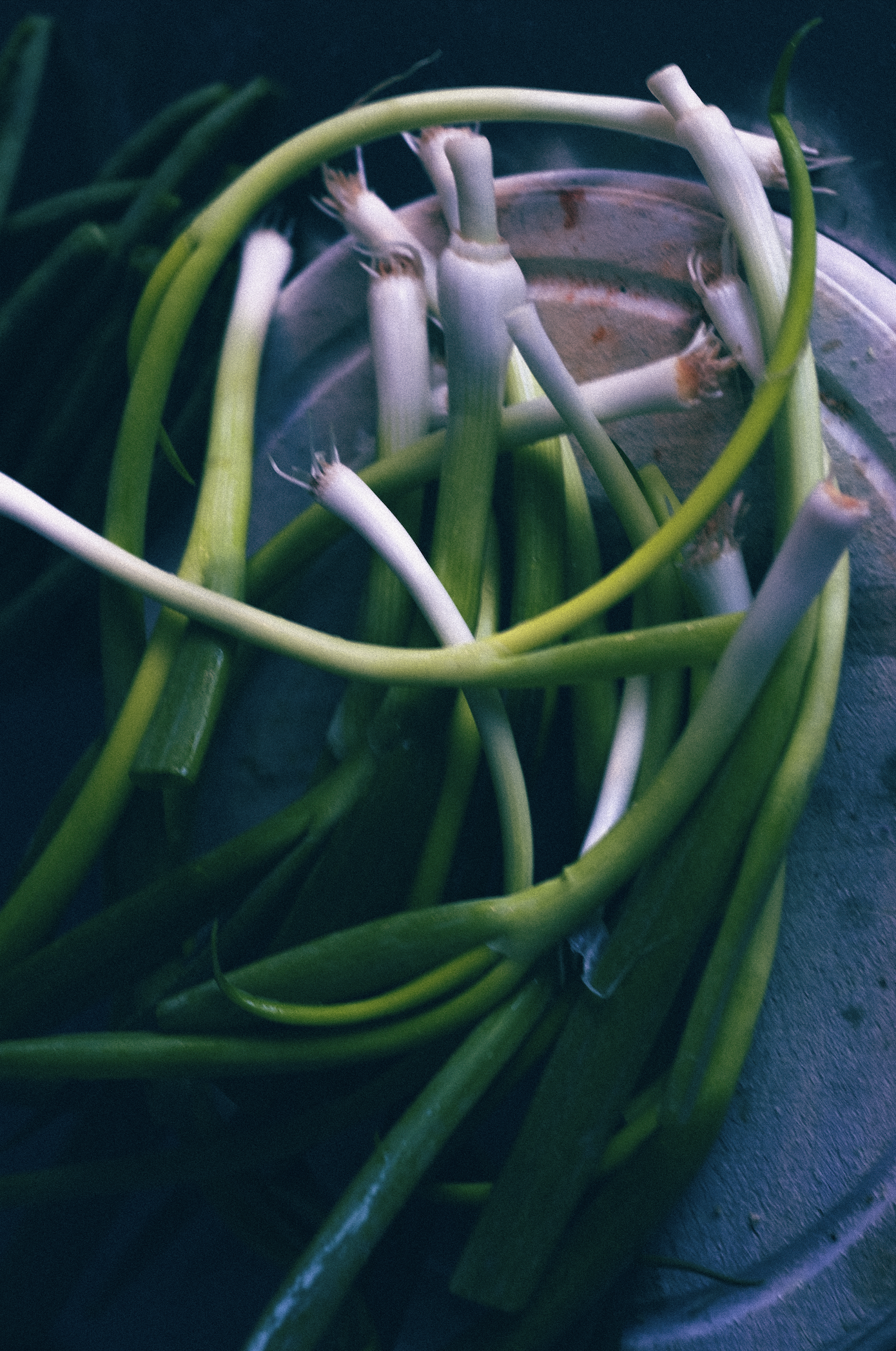
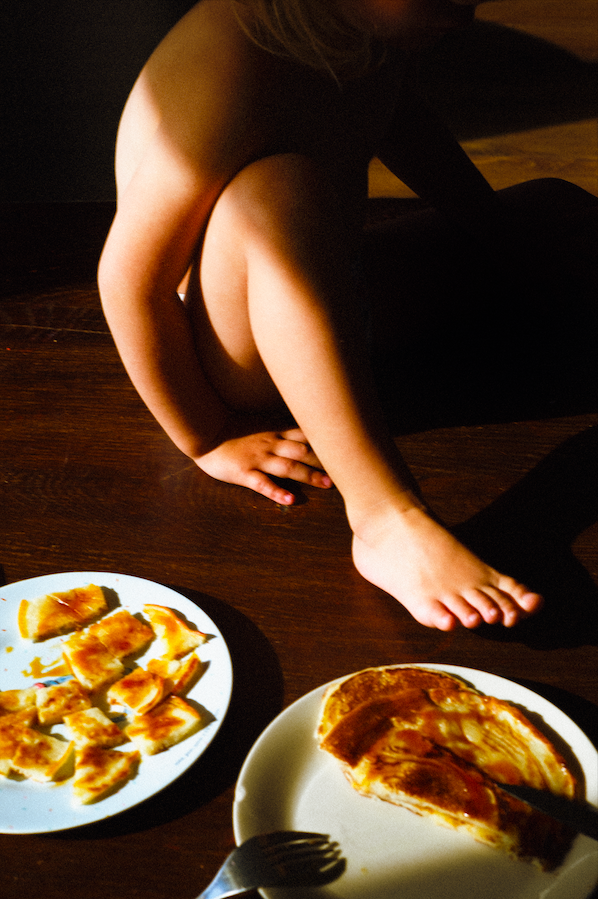
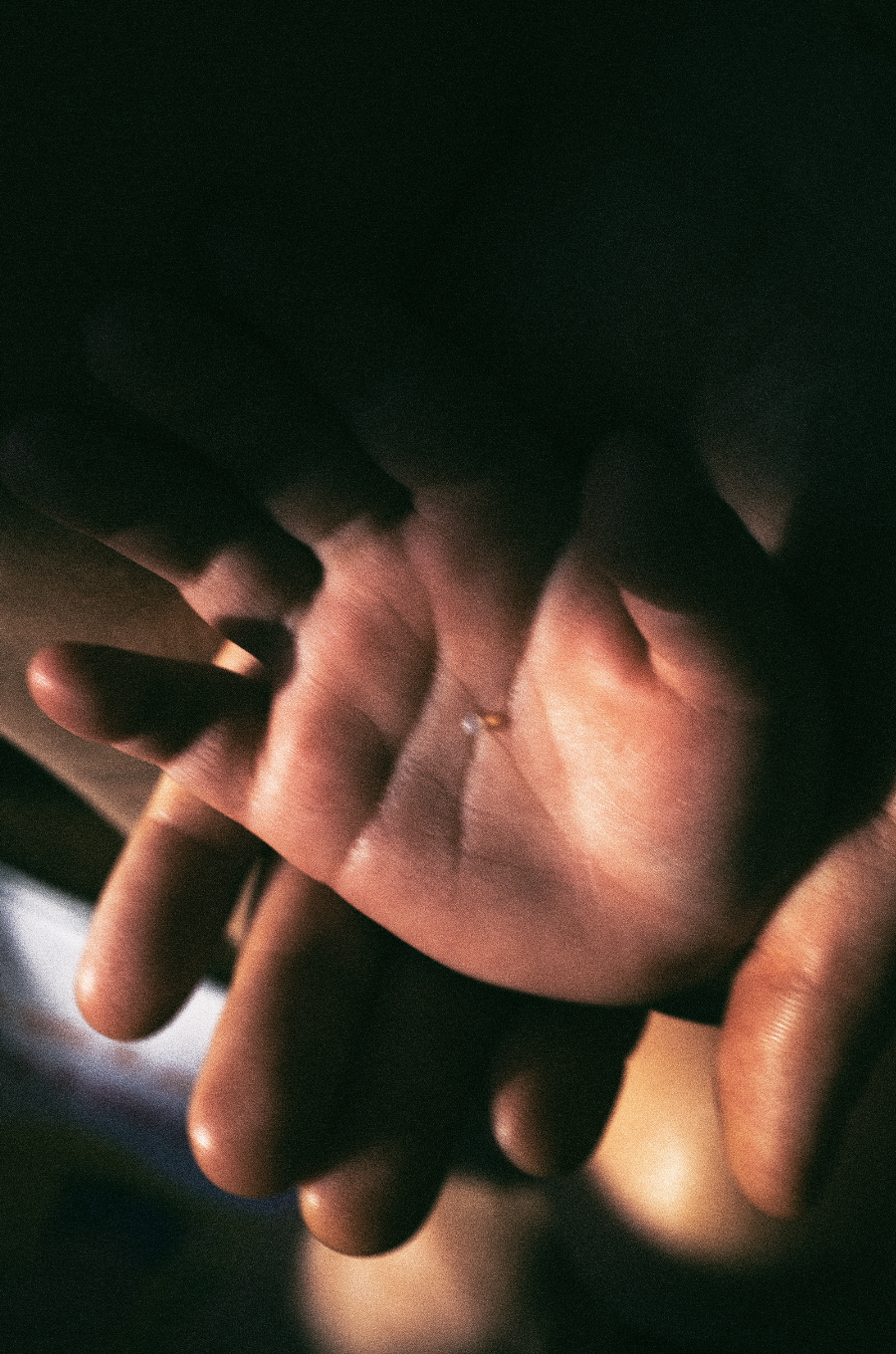
In response, I turned to the camera not to document tragedy, but to find grounding in the small, cyclical rituals that shape our days: cooking, sharing meals, holding my children, calling my parents, noticing the quiet poetry of the domestic space. These gestures, though ordinary, became sacred acts of resistance and continuity. Through photographing them, I began to rebuild a sense of rhythm and meaning, transforming routine into ritual and anxiety into presence.
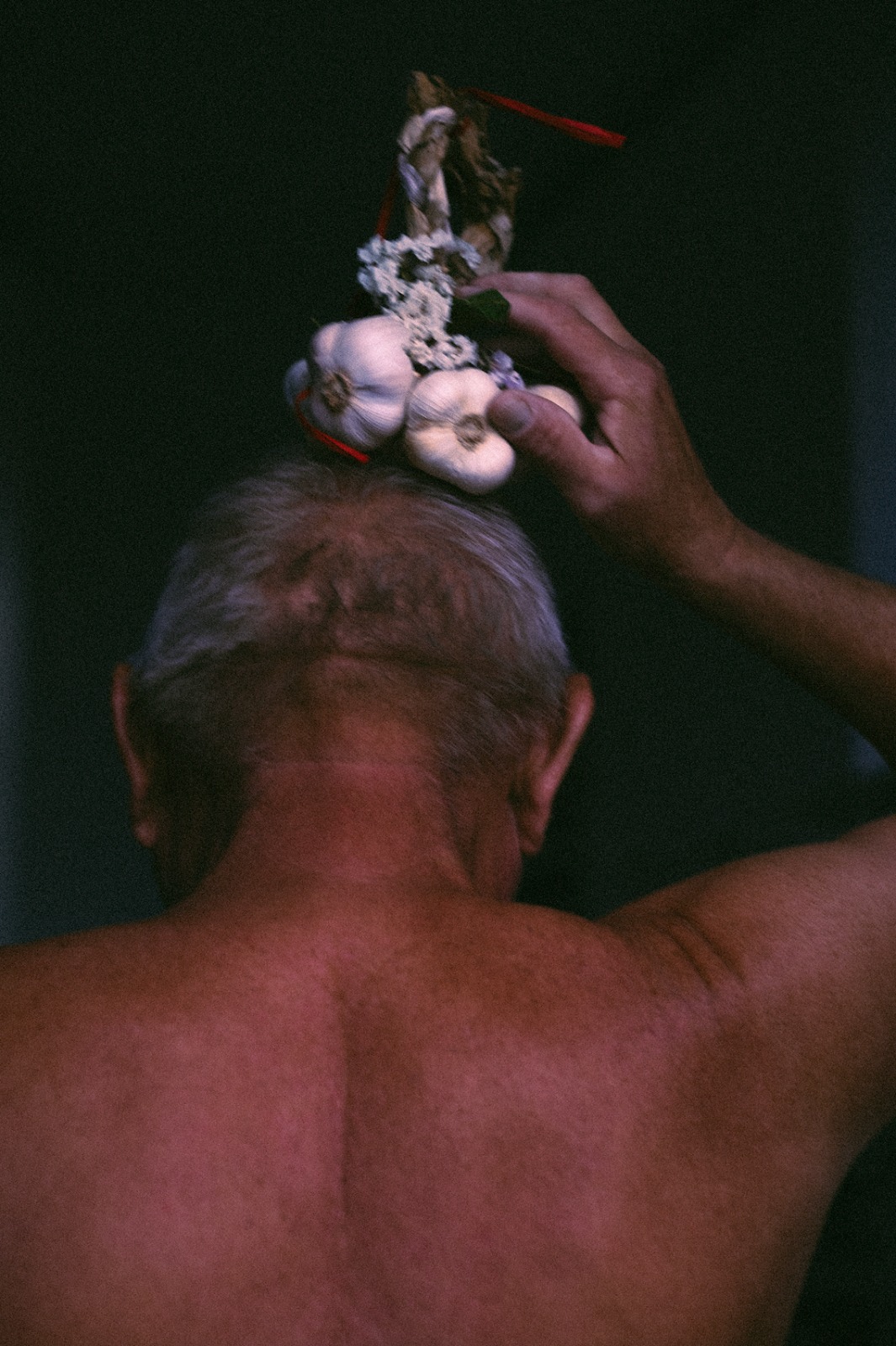
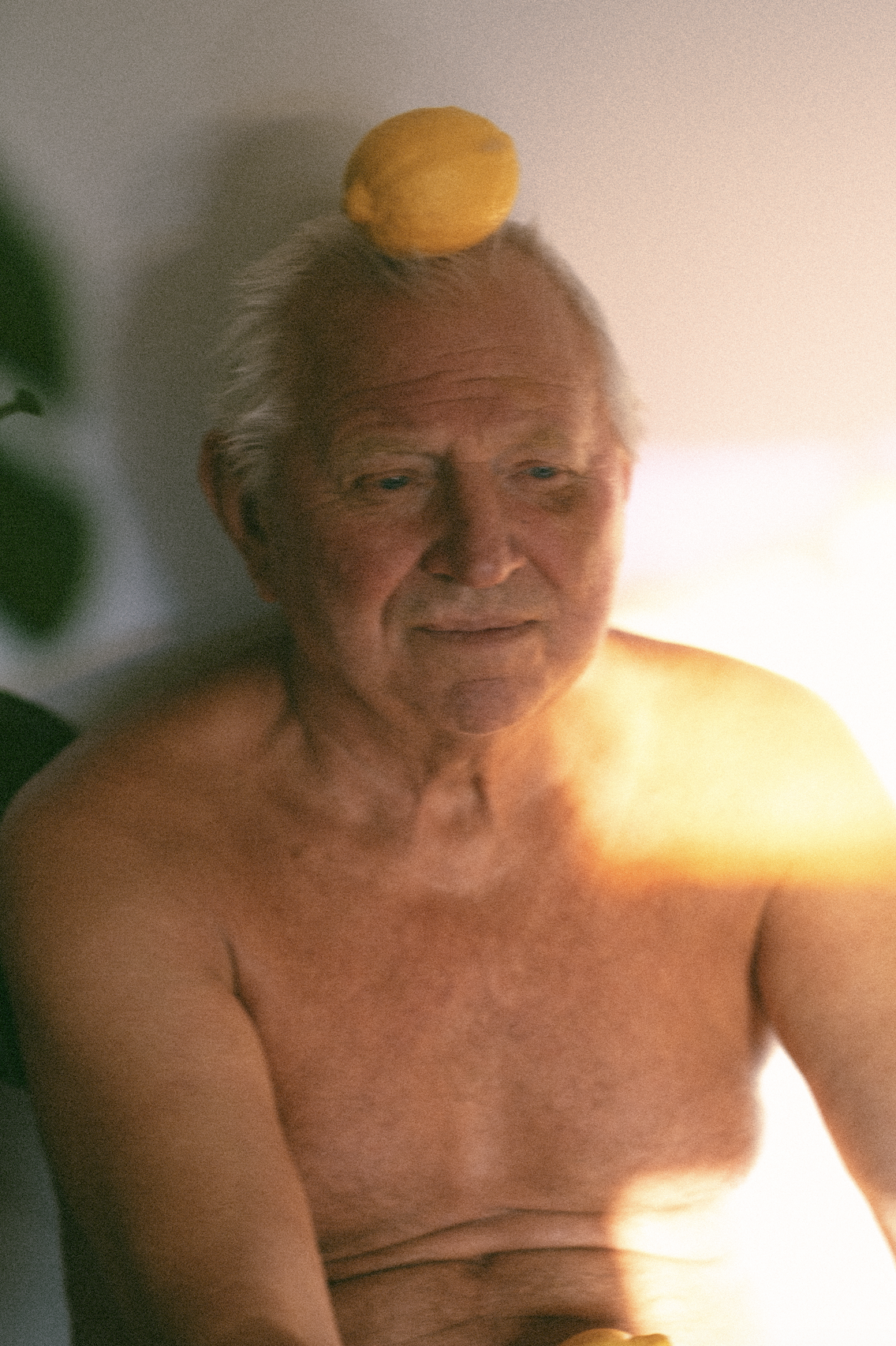
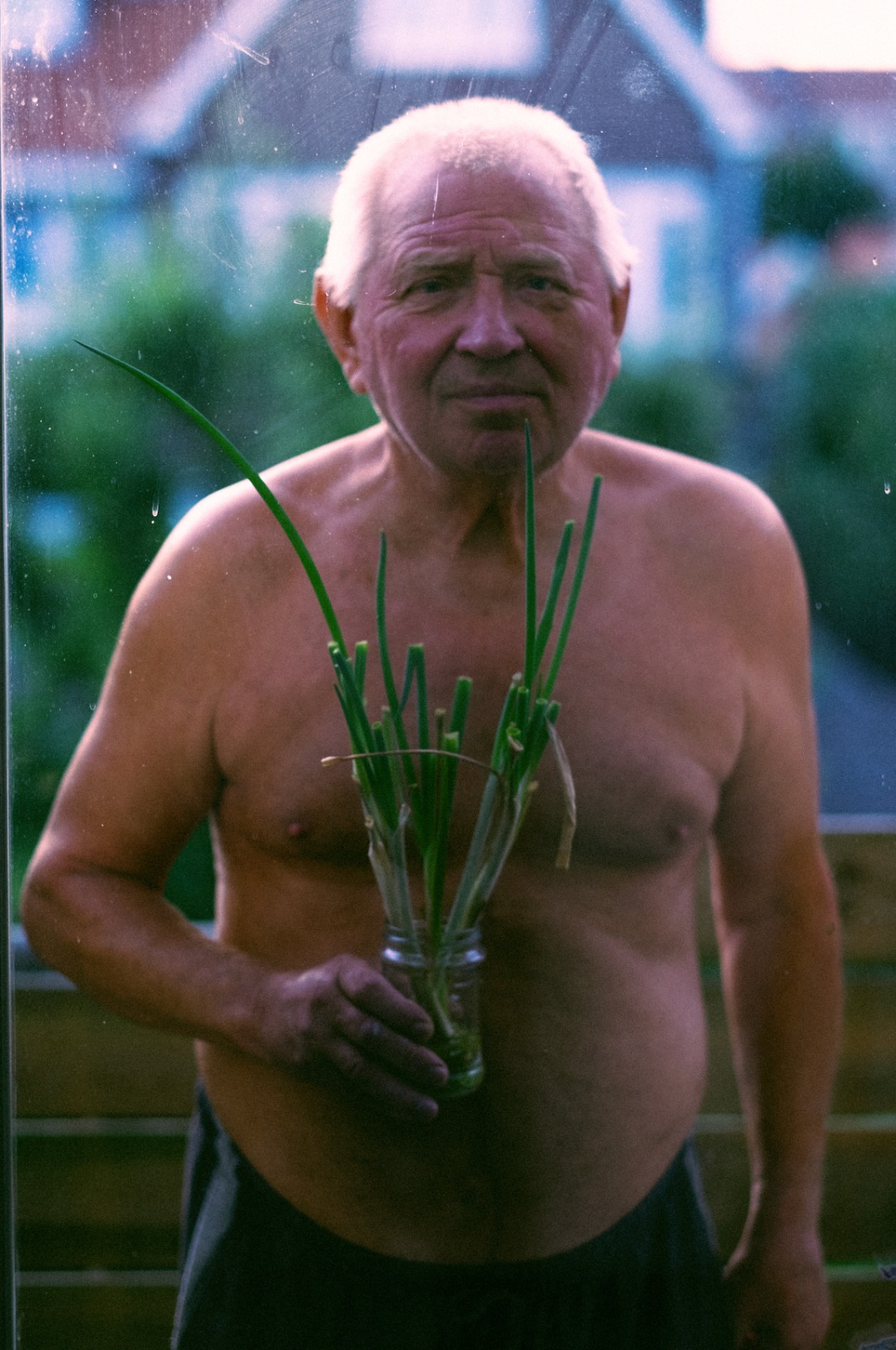
My father’s brief visits from Odesa became another thread in this narrative. His presence, fragile, tender, and temporary, carried both comfort and melancholy. Each visit unfolded like a quiet performance: preparing food together, walking, speaking little but understanding everything. Photographing these moments became my way of holding on, of creating visual traces of a love shaped by absence and resilience.
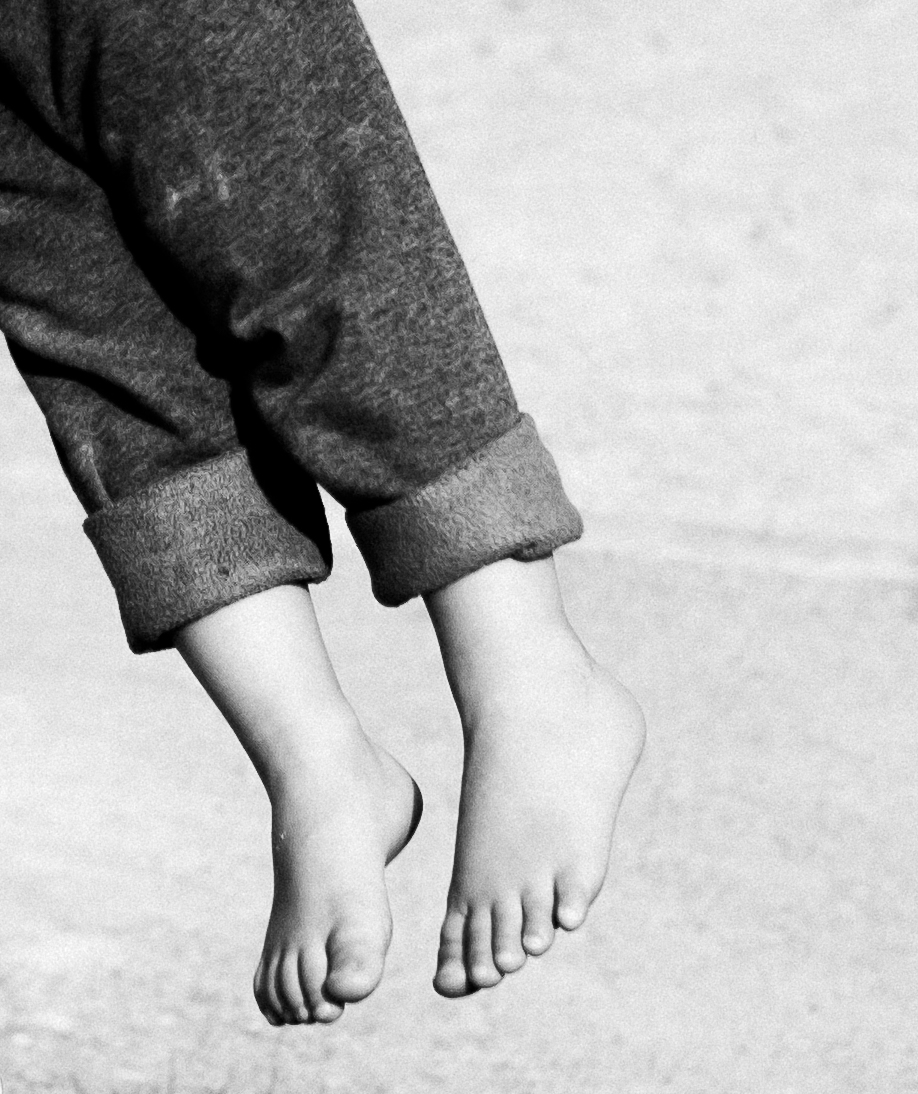
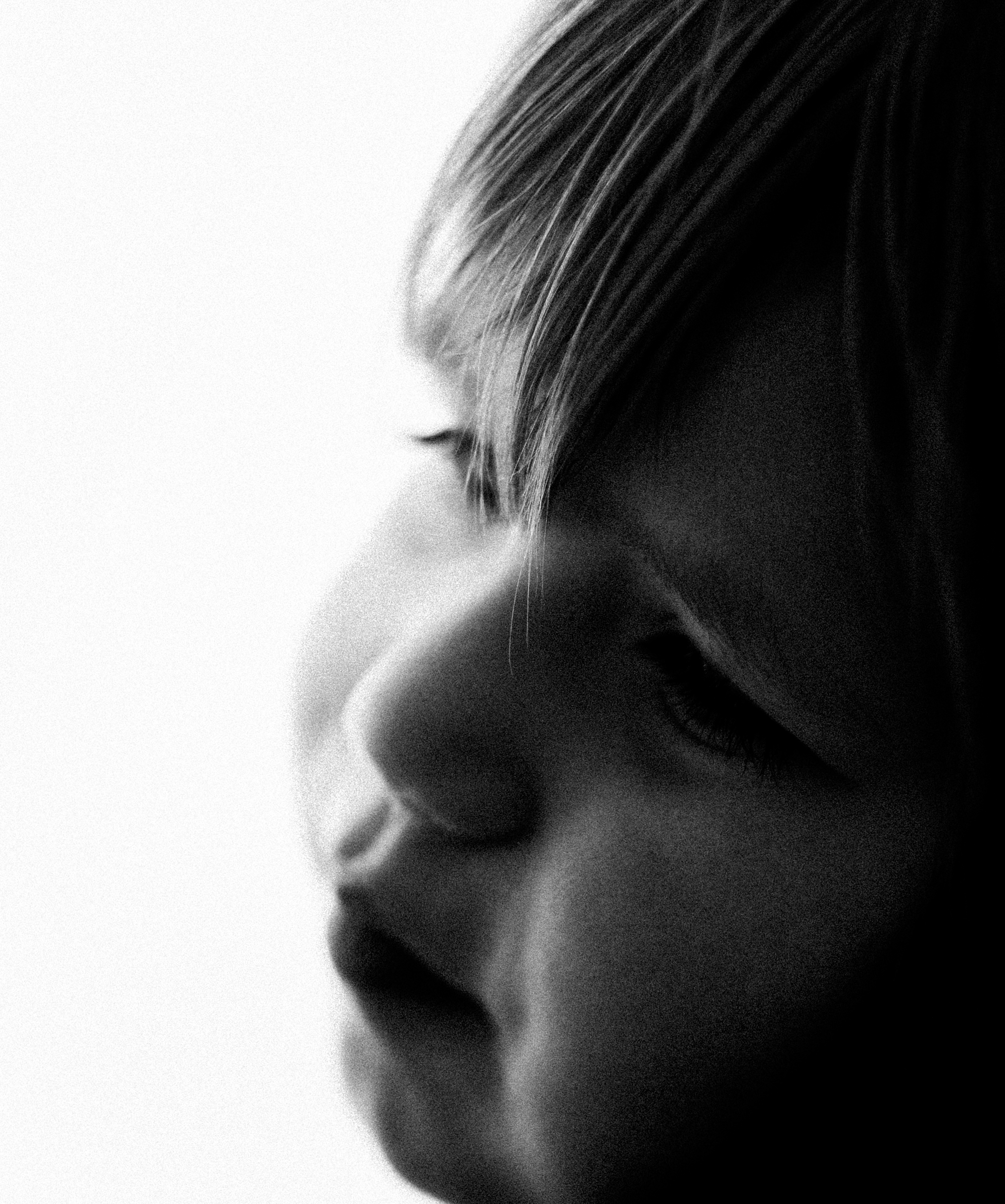
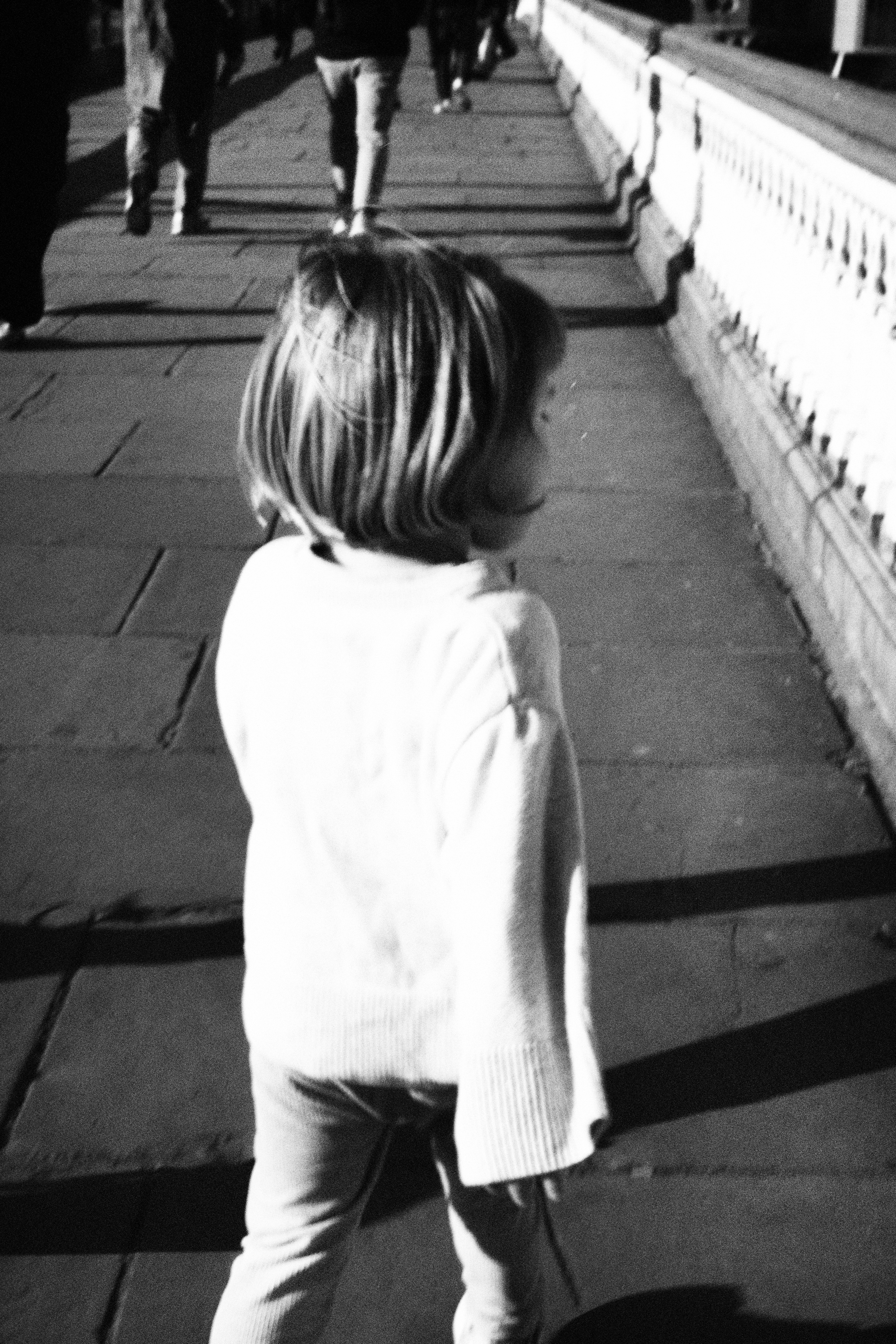
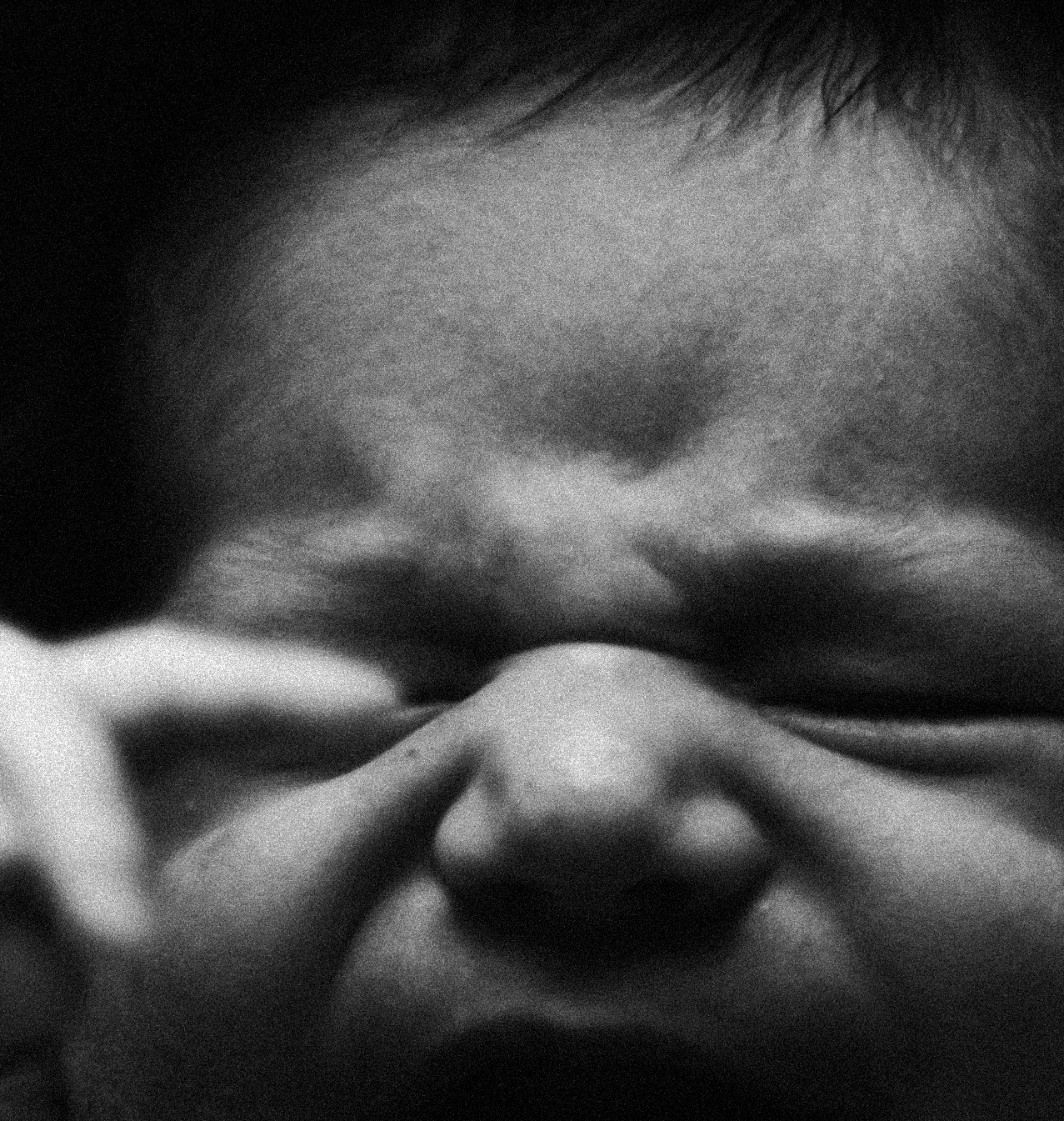
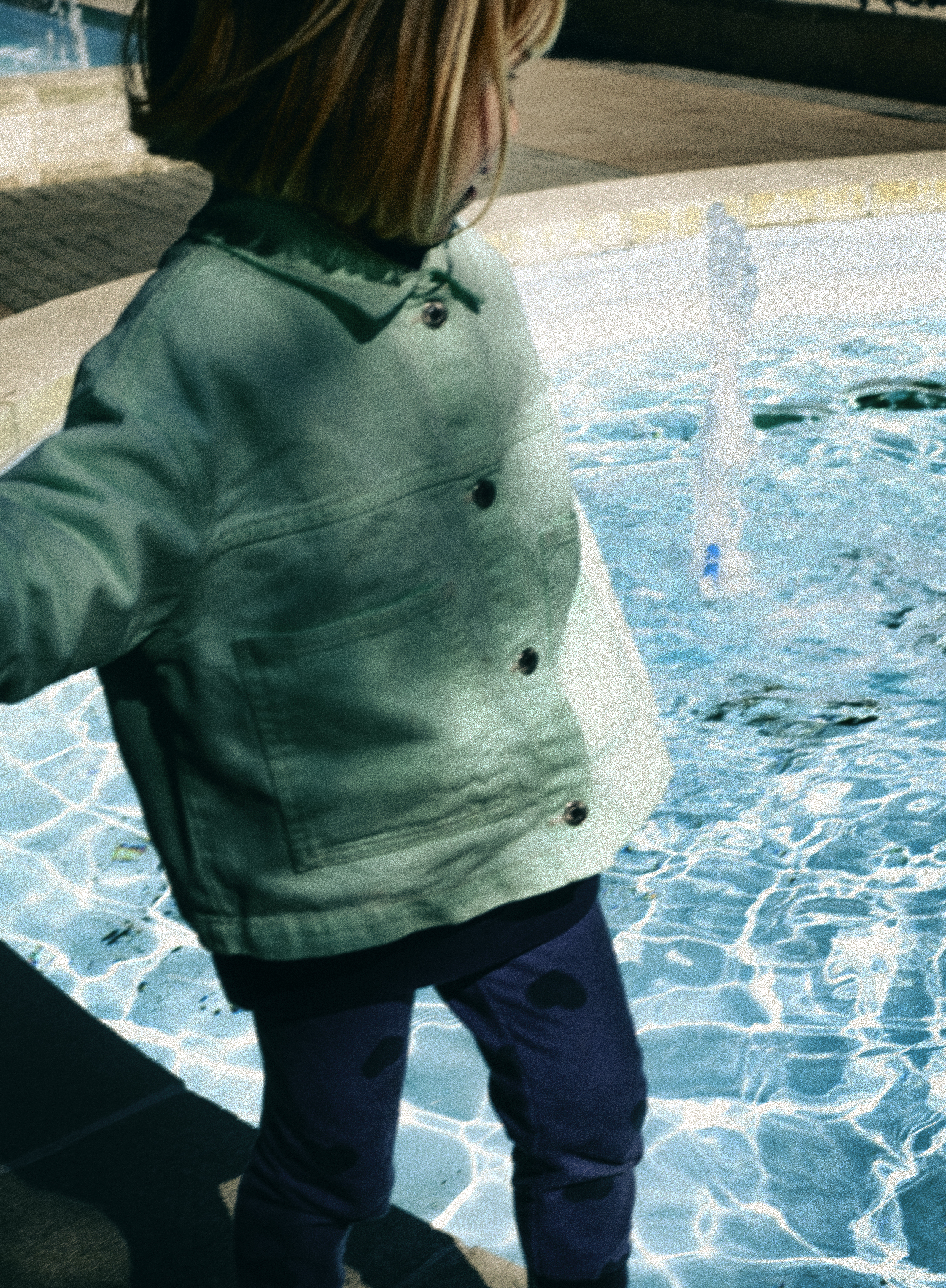
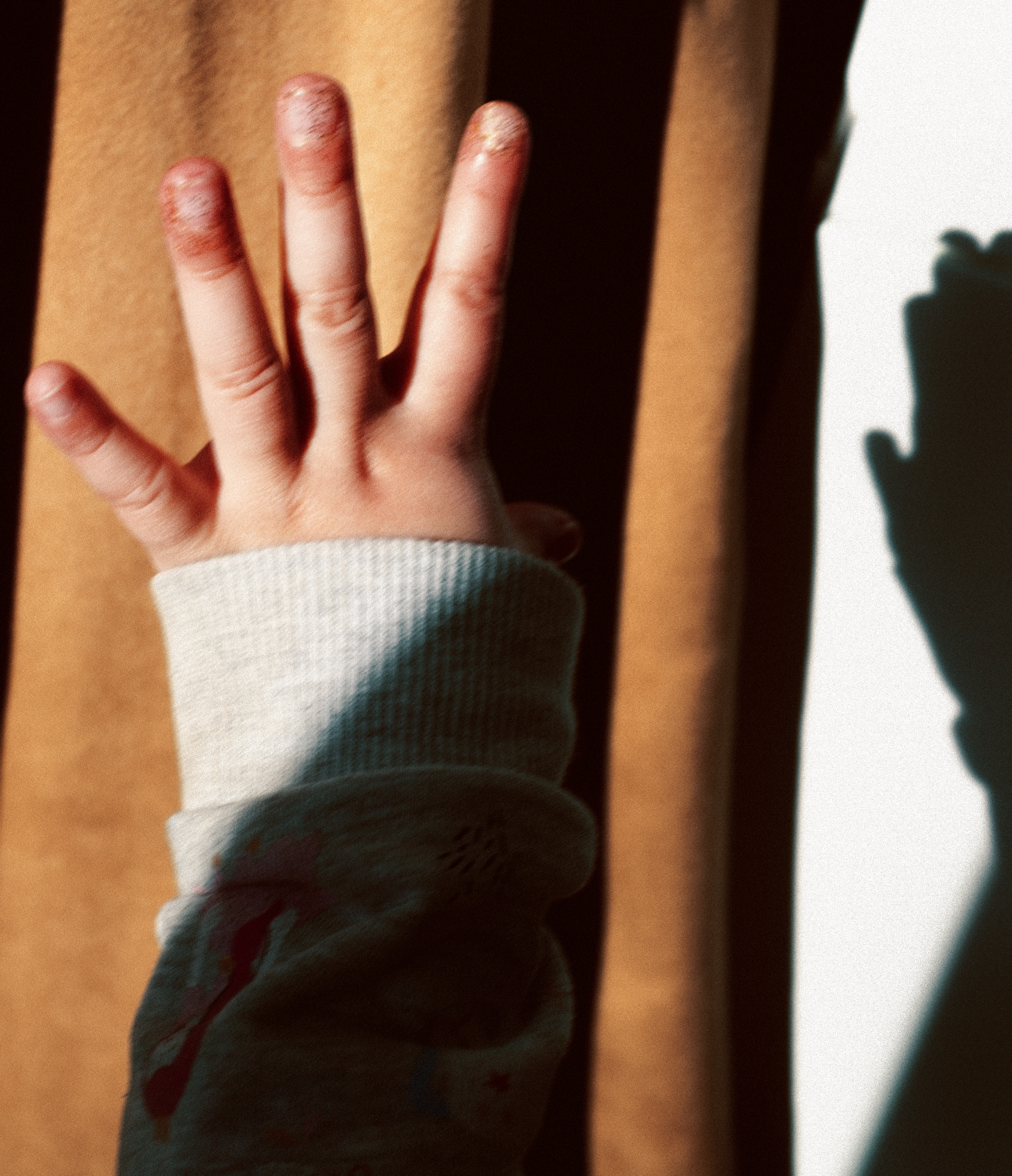
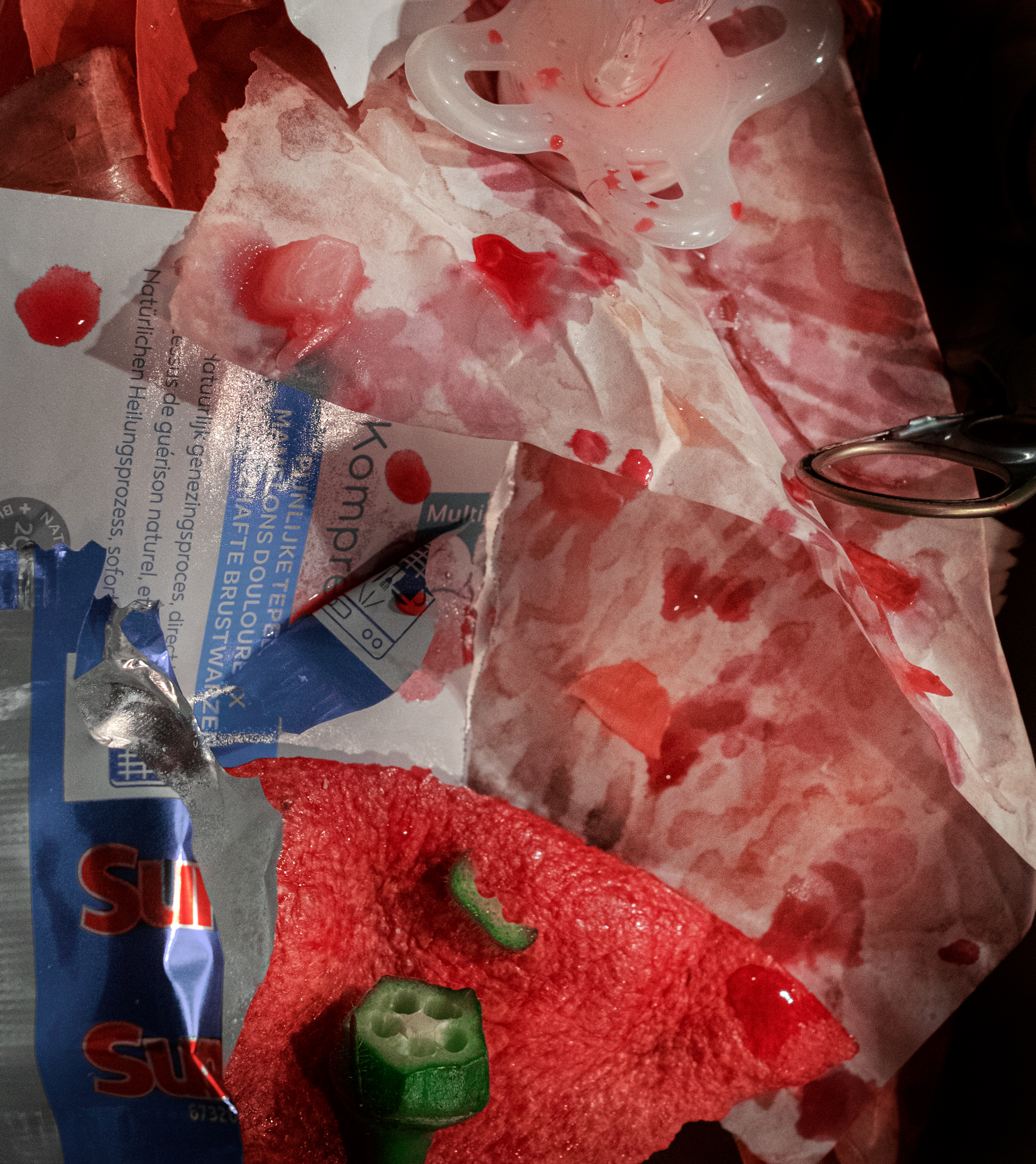
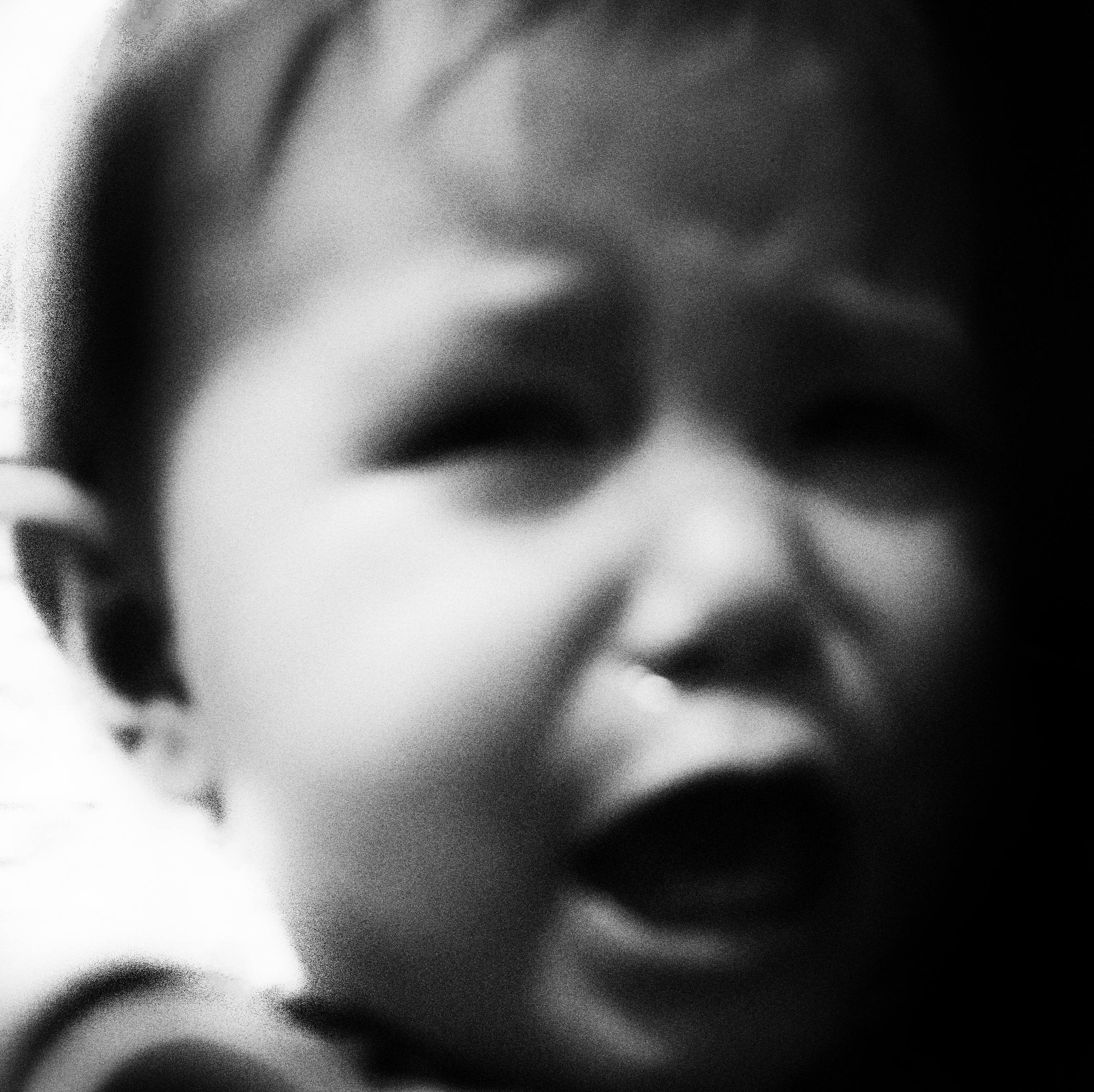
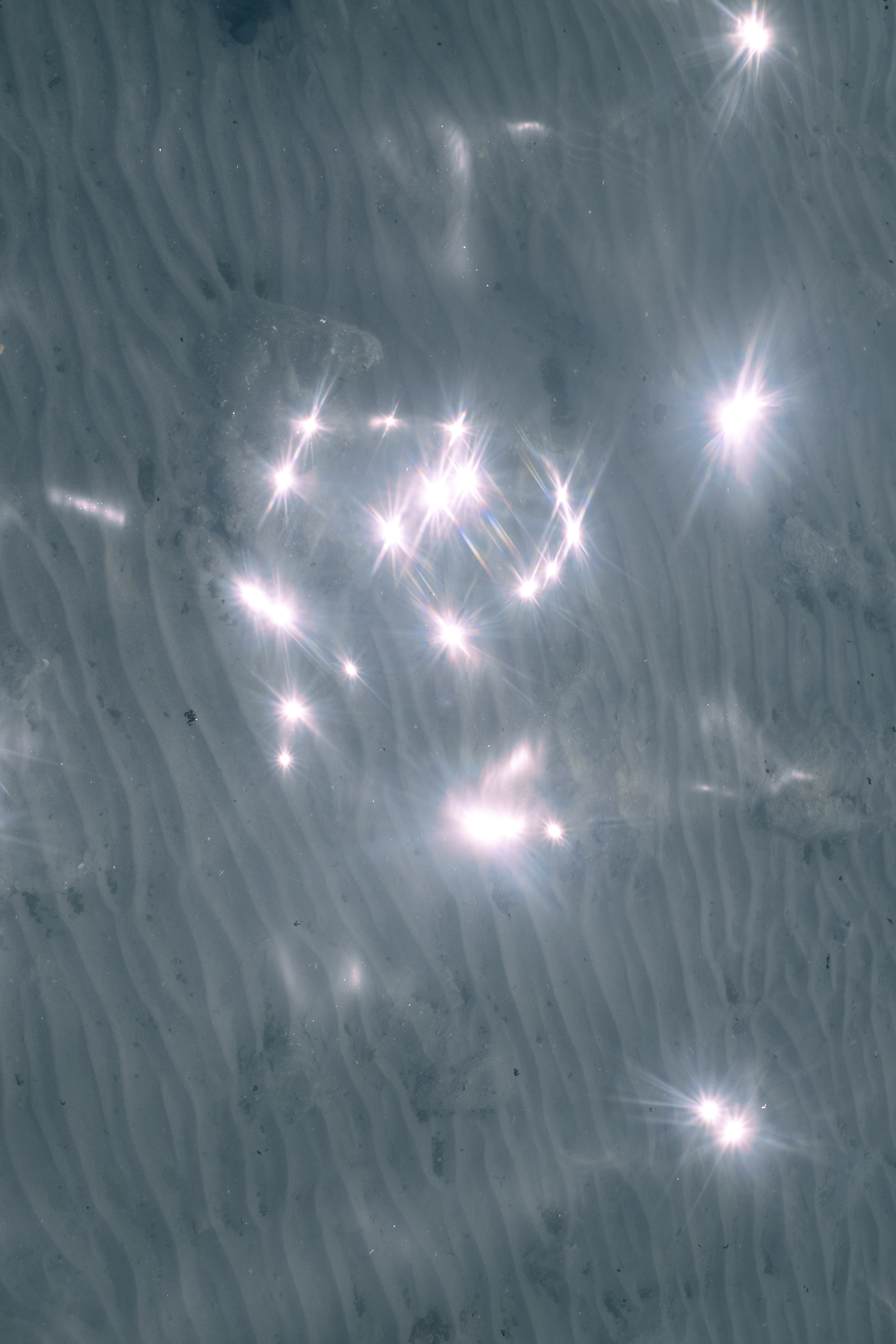
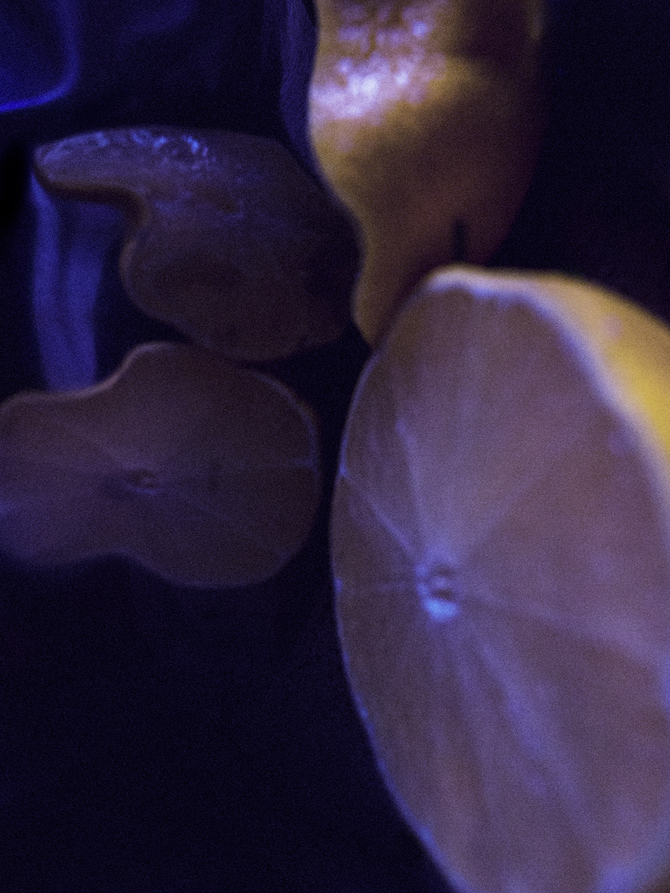
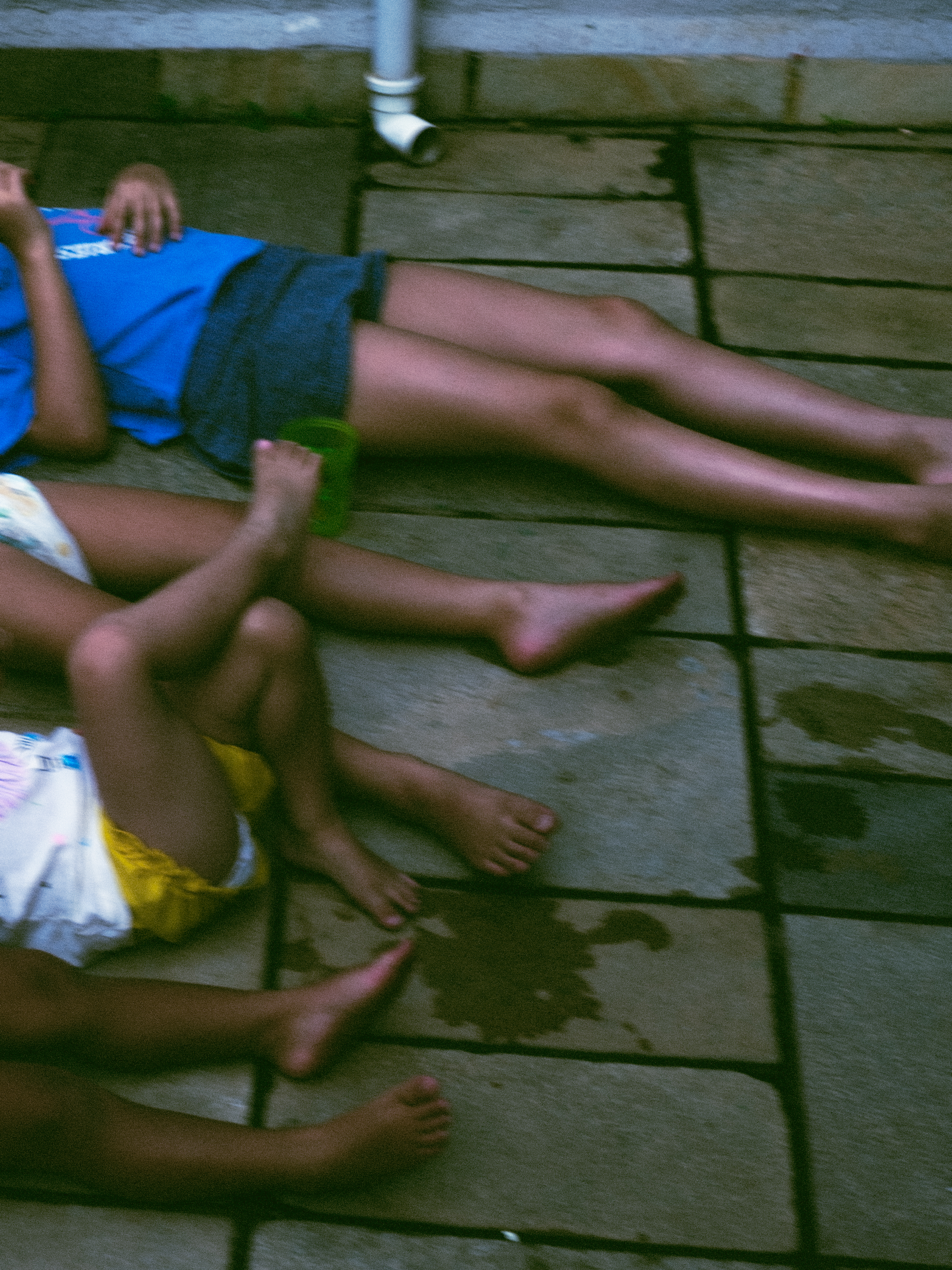
My work explores how photography can function as both archive and emotional landscape, a space where memory, tenderness, and transformation coexist. The images are not linear narratives but fragments: sunlight on my son’s legs, lightning cutting through the sky, fruit resting on my father’s aging body. These recurring moments form a meditation on caregiving and continuity.
As the project evolved, I realised that these domestic rituals connect me to something larger, a collective, almost archetypal memory of nourishment, love, and survival, what Carl Jung described as the collective unconscious. Through these gestures, I began to sense the shared human patterns of care, fragility, and creation that transcend geography and time. Even without strong inherited traditions, I found myself creating new ones through the act of photographing. The camera became a bridge between generations, a quiet dialogue between the visible and the invisible.
The End of an Era (beginning of something else...) continues the exploration I began in Meat, Fish and Aubergine Caviar but moves into a new emotional landscape, one shaped by war, motherhood, and the search for balance between vulnerability and resilience.
Ultimately, this project is an attempt to visualise healing, to show how photography can hold both loss and renewal, and how beauty can still be found in the ordinary, even as the world around us changes irrevocably.
Portraits














Motherhood DE-Constructed